



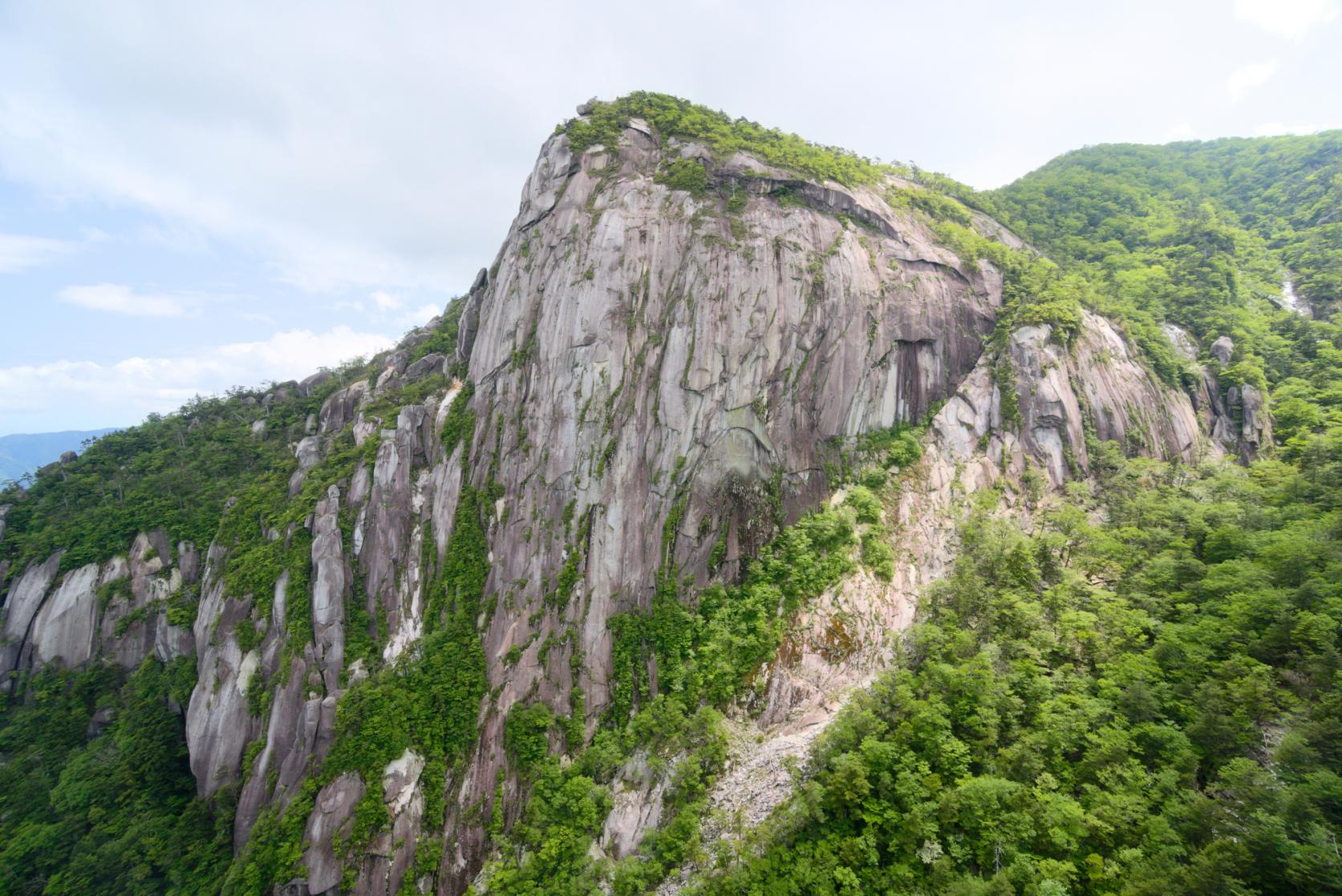
What is the Sobo, Katamuki and Okue Biosphere Reserve? Discover its captivating charms and learn how it uniquely differs from World Natural Heritage sites.
What comes to mind when you hear the term "Biosphere Reserve"? You might find yourself wondering, "How is it different from a World Natural Heritage site?" or "Is it simply a nature conservation area?" While World Natural Heritage sites focus heavily on the "protection" of precious environments, Biosphere Reserves champion the harmonious coexistence of nature and people.
In this article, we will delve into the concept and profound allure of these areas, focusing on the Sobo, Katamuki and Okue Biosphere Reserve, which spans the border of Miyazaki and Oita prefectures. As we unravel these seemingly complex ideas, we will introduce you to the overwhelming vitality and pulse of life that can only be experienced in this specific region. By the end of this read, you are sure to discover a brand-new perspective for your travels—one deeply rooted in "coexistence."
What Exactly is a Biosphere Reserve? Differences from World Natural Heritage Sites
UNESCO's "World Natural Heritage" sites and "Biosphere Reserves" differ significantly in their core purpose and approach to nature. While World Natural Heritage focuses strictly on "protection"—safeguarding precious natural and cultural assets to pass them on to future generations in their pristine state—Biosphere Reserves emphasize the harmonious "coexistence of nature and human society." They carefully balance the conservation of delicate ecosystems with the sustainable use of nature's blessings.
In essence, World Natural Heritage fiercely protects the environment as an untouched treasure, whereas Biosphere Reserves strive to be living models of sustainable regional development. In Japan, 10 regions, including the Sobo, Katamuki and Okue Biosphere Reserve, have been registered, with communities continually exploring the beautiful path of people and nature thriving together.
The Three Functions and Zones of Biosphere Reserves
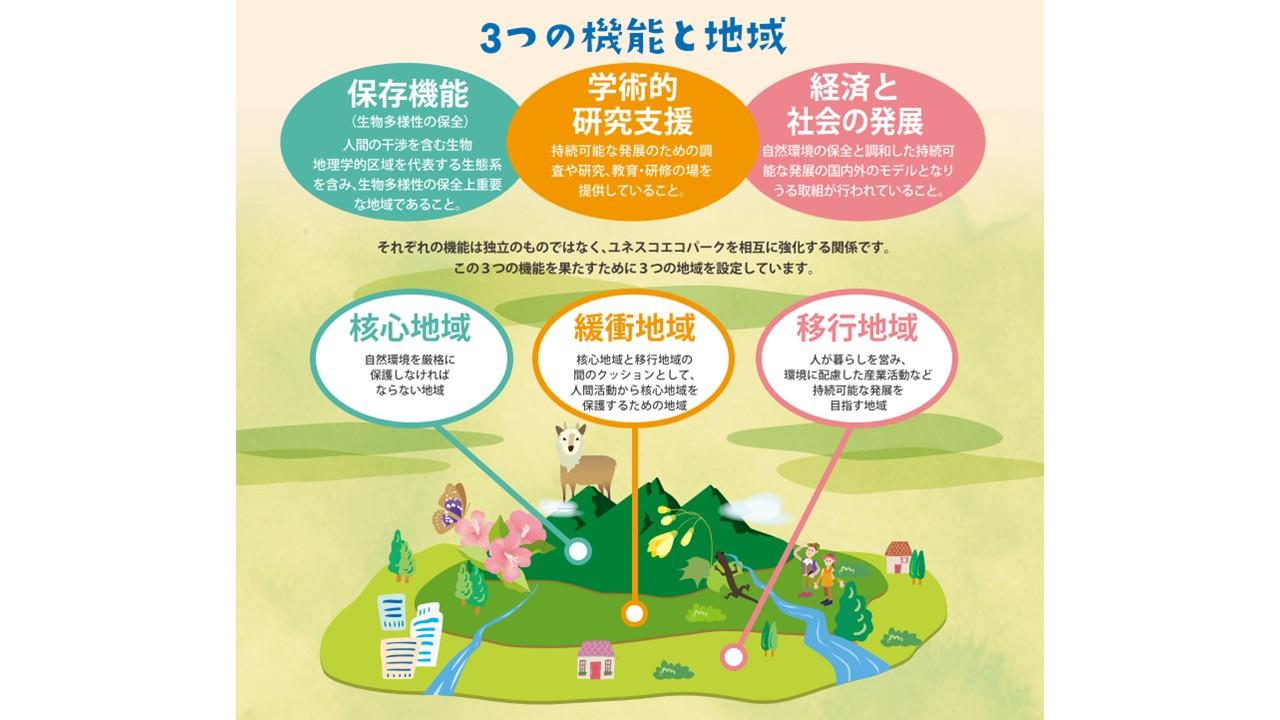
To achieve a harmonious "coexistence" between nature and humanity, Biosphere Reserves fulfill three vital functions:
・Conservation: Preserving our precious biodiversity.
・Research & Education: Advancing environmental research, monitoring, and education.
・Development: Fostering sustainable economic and social growth for local communities.
To bring these functions to life, the Biosphere Reserve is thoughtfully divided into three distinct zones, each with its own unique role.
1.Core Area
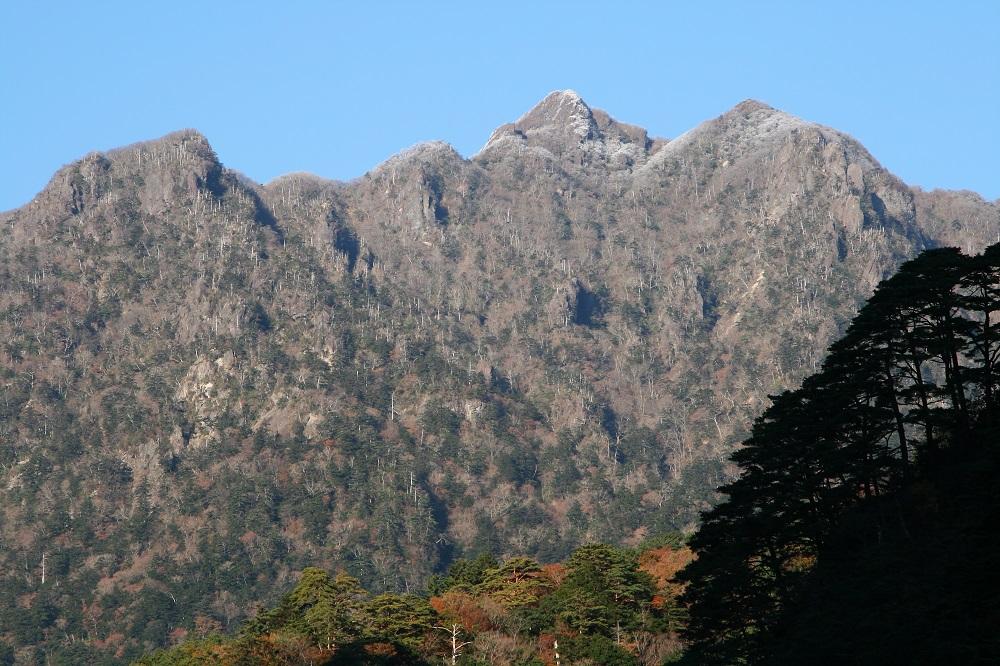
At the very heart of the Biosphere Reserve lies the "Core Area." This sanctuary is strictly protected by law to preserve its pristine nature and invaluable ecosystems. Closely resembling a World Natural Heritage site, it restricts human entry and activity to an absolute minimum—fulfilling the vital mission of passing our irreplaceable natural world on to future generations in its purest, untouched form.
2.Buffer Zone
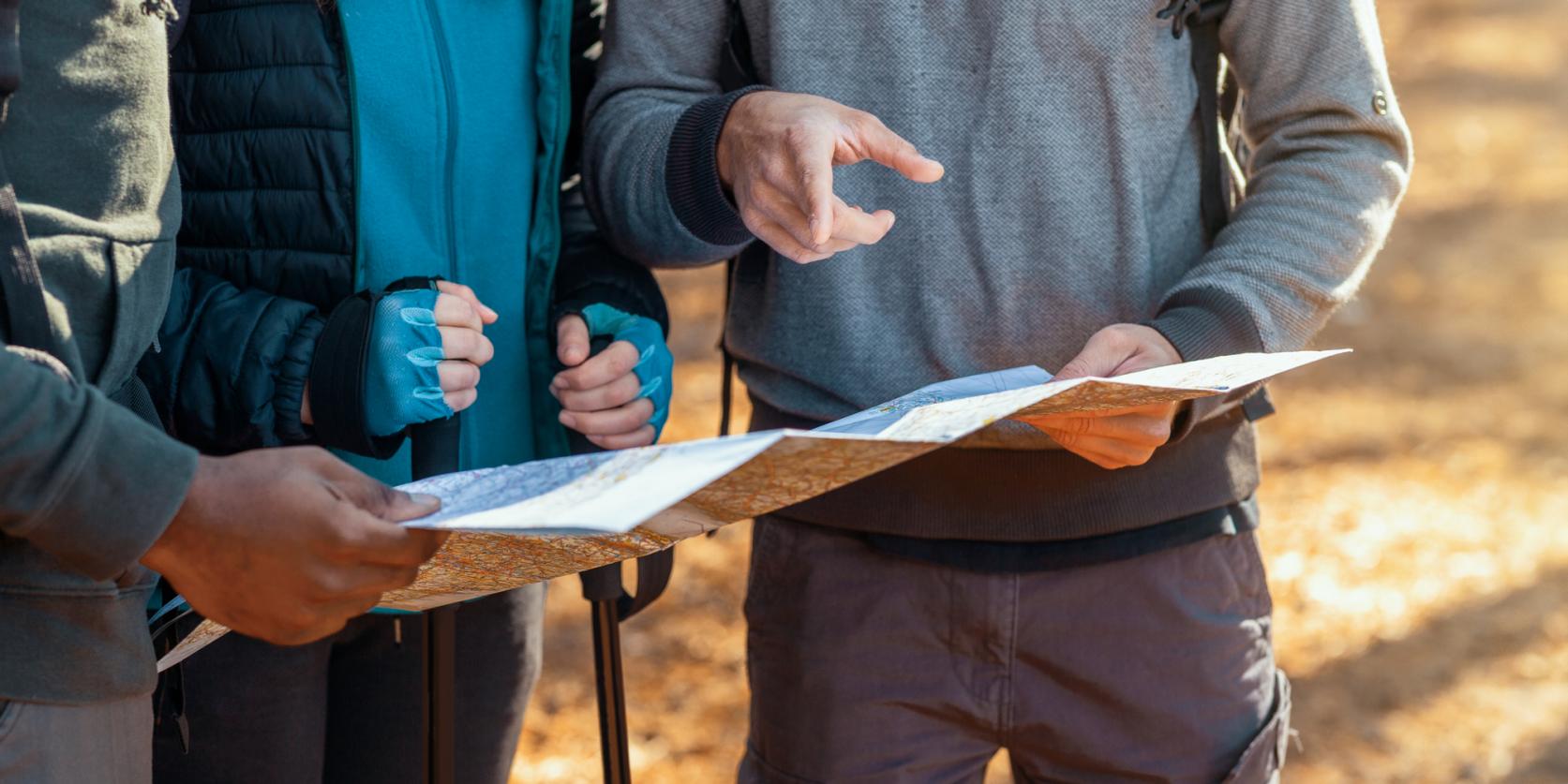
Surrounding the Core Area is the "Buffer Zone." True to its name, it acts as a gentle cushion, shielding the pristine core from outside influences while serving as a beautiful intersection where humanity and nature embrace. Here, mindful activities that respect the environment, such as ecotourism and academic research, are welcomed. It is an invaluable field where we can immerse ourselves in the delicate workings of the natural world, learn from its wisdom, and rediscover its profound value.
3. Transition Area
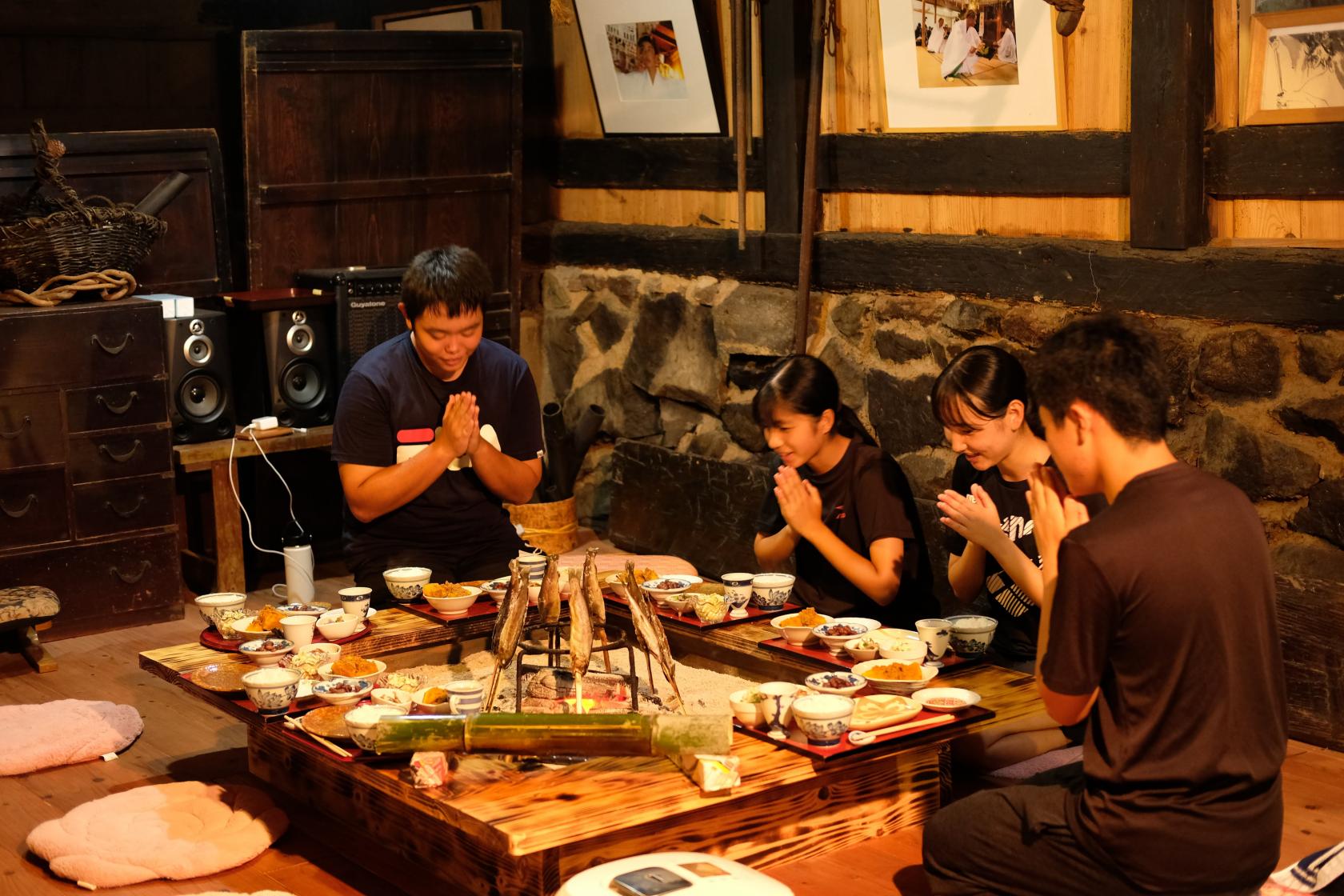
Located on the outermost edge, the "Transition Area" is a vibrant space where people live and engage in daily endeavors such as agriculture, forestry, and tourism. It is a true "living space" where we lovingly protect the blessings of nature while wisely utilizing them to build a sustainable community. Rather than simply closing nature off, we aim to continually balance a rich environment with a dynamic society by beautifully harmonizing the natural world with our daily lives and local industries.
Through the seamless overlapping of these three areas and their core functions—conservation, logistic support, and sustainable development—the Biosphere Reserve shapes an inspiring model for the future, where humanity and nature thrive together in perfect harmony.
Column
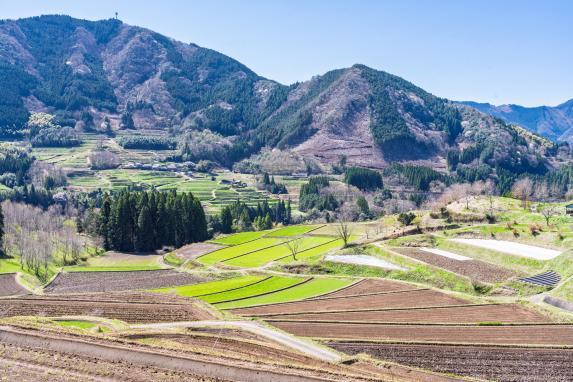
A Deep Connection to the Globally Important Agricultural Heritage Systems
While Biosphere Reserves focus primarily on conserving the natural environment, Globally Important Agricultural Heritage Systems (GIAHS) center on the traditional agricultural and forestry systems that must be passed down to future generations. Though their approaches differ, both are rooted in a shared philosophy of coexistence: a deep reverence for the region's unique nature and a commitment to sustainably utilizing its blessings. They are bound by a close interdependence—local industries thrive because there is a magnificent natural environment to protect, and this unique landscape is maintained through enduring human activity. In Miyazaki Prefecture, the Takachiho-go and Shiibayama area was designated as a GIAHS site in 2015.
A Deep Connection to the Globally Important Agricultural Heritage Systems
While Biosphere Reserves focus primarily on conserving the natural environment, Globally Important Agricultural Heritage Systems (GIAHS) center on the traditional agricultural and forestry systems that must be passed down to future generations. Though their approaches differ, both are rooted in a shared philosophy of coexistence: a deep reverence for the region's unique nature and a commitment to sustainably utilizing its blessings. They are bound by a close interdependence—local industries thrive because there is a magnificent natural environment to protect, and this unique landscape is maintained through enduring human activity. In Miyazaki Prefecture, the Takachiho-go and Shiibayama area was designated as a GIAHS site in 2015.
Three Captivating Features of the Sobo, Katamuki and Okue Biosphere Reserve
1.Rugged Mountain Terrain and Beautiful Gorges
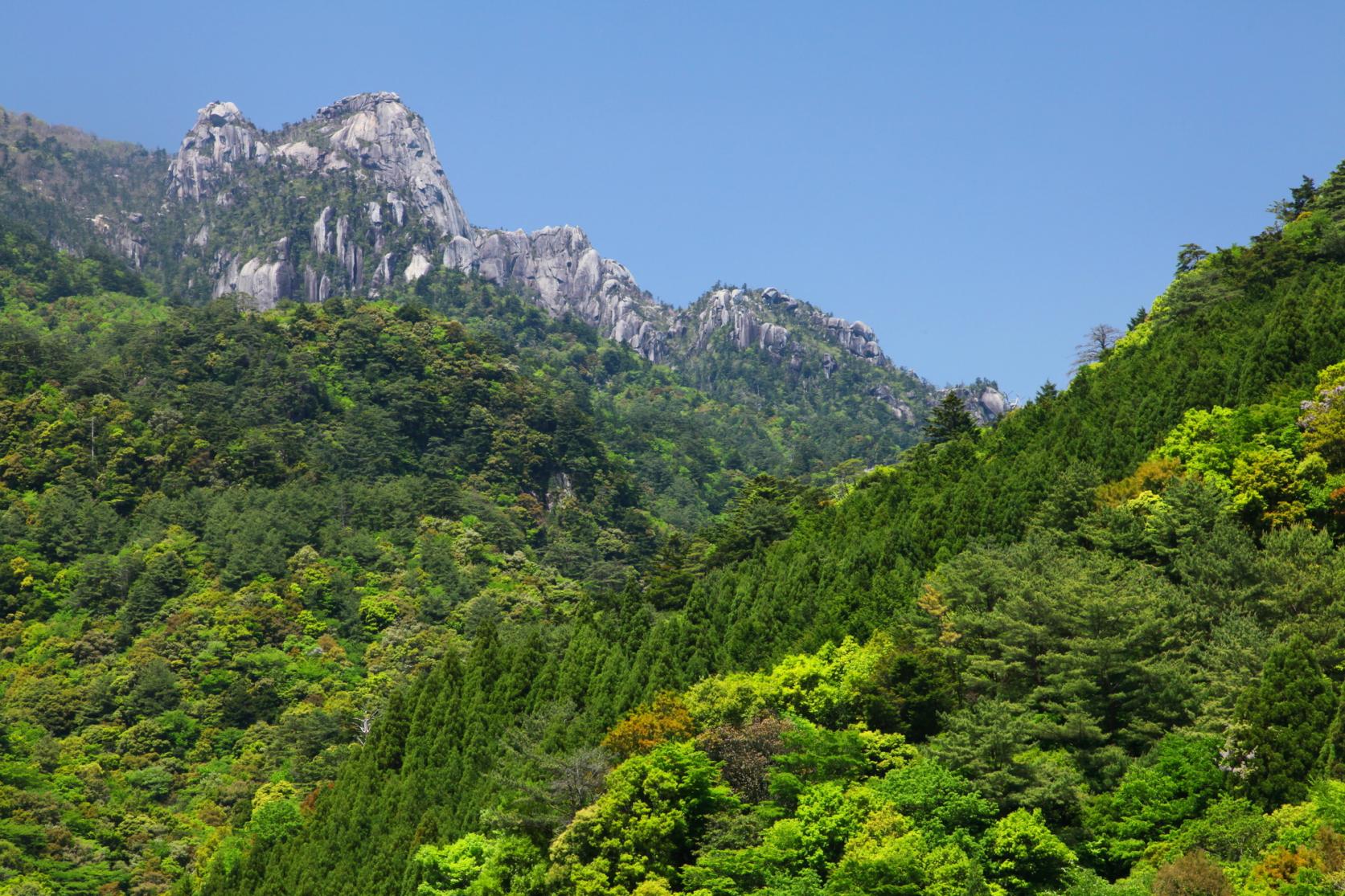
A rugged yet beautiful wilderness unfolds before your eyes, featuring sheer granite peaks and emerald-green streams naturally filtered by primeval forests. Visitors can also enjoy authentic mountain climbing on Mt. Sobo, one of Japan's 100 Famous Mountains, or Mt. Okue, known as "Kyushu's last unexplored frontier."
2.A Treasure Trove of Diverse Flora and Fauna
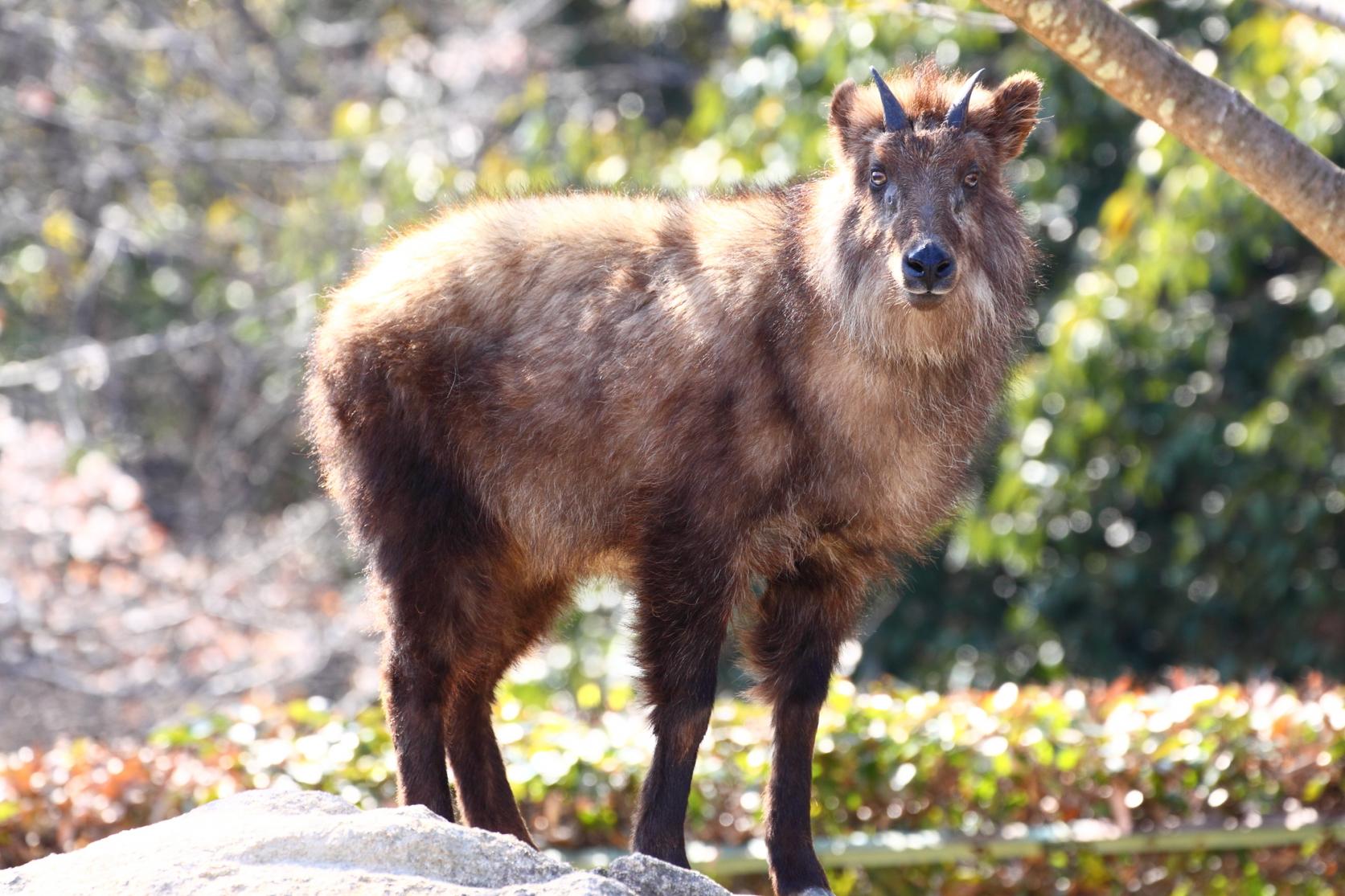
This area is known as the southernmost habitat of the Japanese serow, a Special Natural Monument often referred to as a "living fossil." If you are lucky, you might catch a glimpse of these elusive animals standing quietly atop the rocky cliffs. The changing seasons also bring vibrant colors to the landscape: in spring, rare Akebono azaleas paint the steep rock faces in delicate shades of pink, while in summer, the lush forests are adorned with Kirengeshoma (yellow wax bell), a plant endemic to Japan.
3.A Life Intertwined with Prayer and the Gods
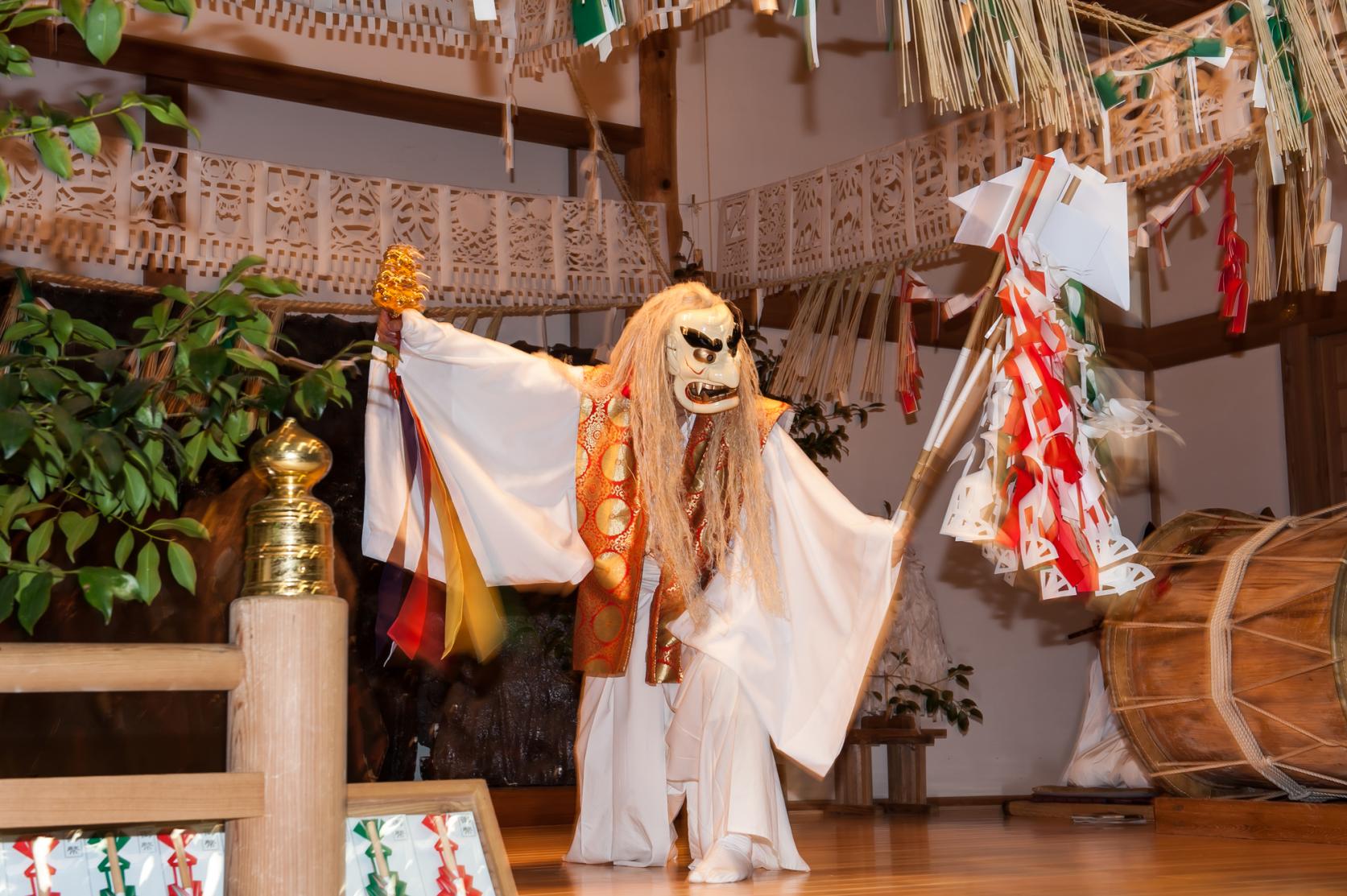
Since ancient times, these steep mountains have been objects of worship, and locals have found the presence of gods within the harsh natural environment. This deep connection is best symbolized by Yokagura (night kagura), dedicated across the region from autumn through winter. Danced continuously throughout the night, this traditional ritual is far more than a mere performing art; it is an unbroken form of prayer passed down to the present day, offering gratitude for bountiful harvests and reverence for the natural world.
Your Journey Here: Access Information
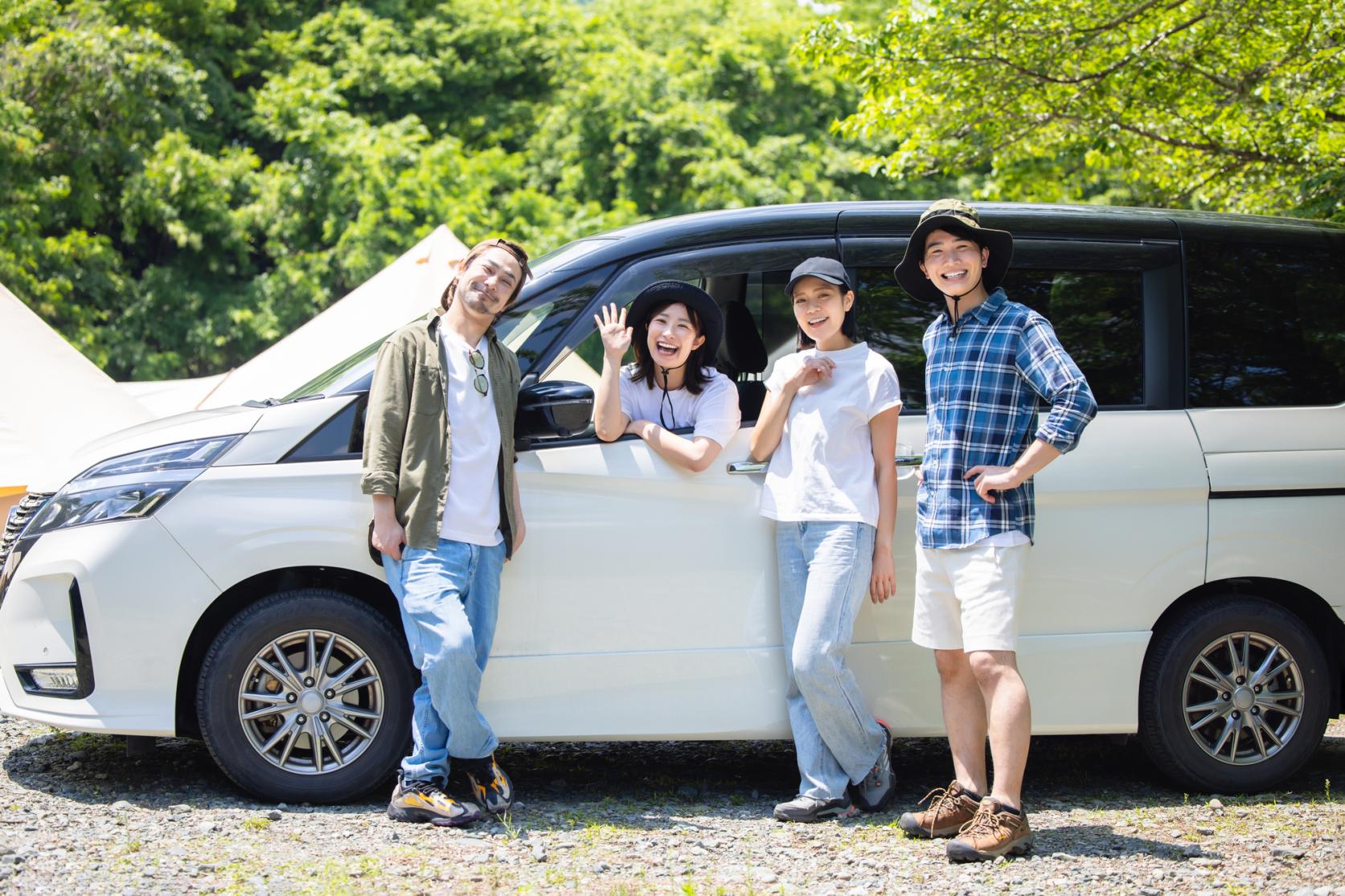
From Mt. Okue, known as Kyushu’s last unexplored frontier, to Takachiho Town, where the breath of the gods can still be felt, and Hinokage Town, where grand bridges span deep gorges. This area is dotted with fascinating spots, and traveling by car is highly recommended for smooth navigation. Check the best routes from your starting point and begin planning your journey.
Summary
Visiting the Sobo, Katamuki and Okue Biosphere Reserve is a profound experience that transcends ordinary sightseeing. Every moment spent here—savoring local ingredients, conversing with the community, and immersing yourself in the rich natural environment—naturally becomes a form of support that helps protect the region's delicate environment and culture. Rather than simply receiving from nature, we become a part of its cycle. This land quietly welcomes such a new form of travel. Step away from your daily routine and experience a true "story of coexistence," where nature and humanity walk together. Your visit will become a vital step in passing this beautiful natural legacy on to the next generation.
■Contact Information
Regional Comprehensive Coordination Section, Hilly and Mountainous Areas & Regional Policy Division, General Policy Department, Miyazaki Prefectural Government
TEL: 0985-26-7035
Email: chusankan-chiiki@pref.miyazaki.lg.jp
Recommended Articles
-
Casual day-trip hot springs to enjoy in Miyazaki
-
Mouthwatering cuisine you have to try in the cornucopia of Miyazaki
-
One classic way to enjoy Miyazaki is strawberry and tropical fruit picking!
-
Take a tour of famous spots for seasonal flowers in Miyazaki! - Fall -
-
Indoor spots in Miyazaki you can enjoy on a rainy day
-
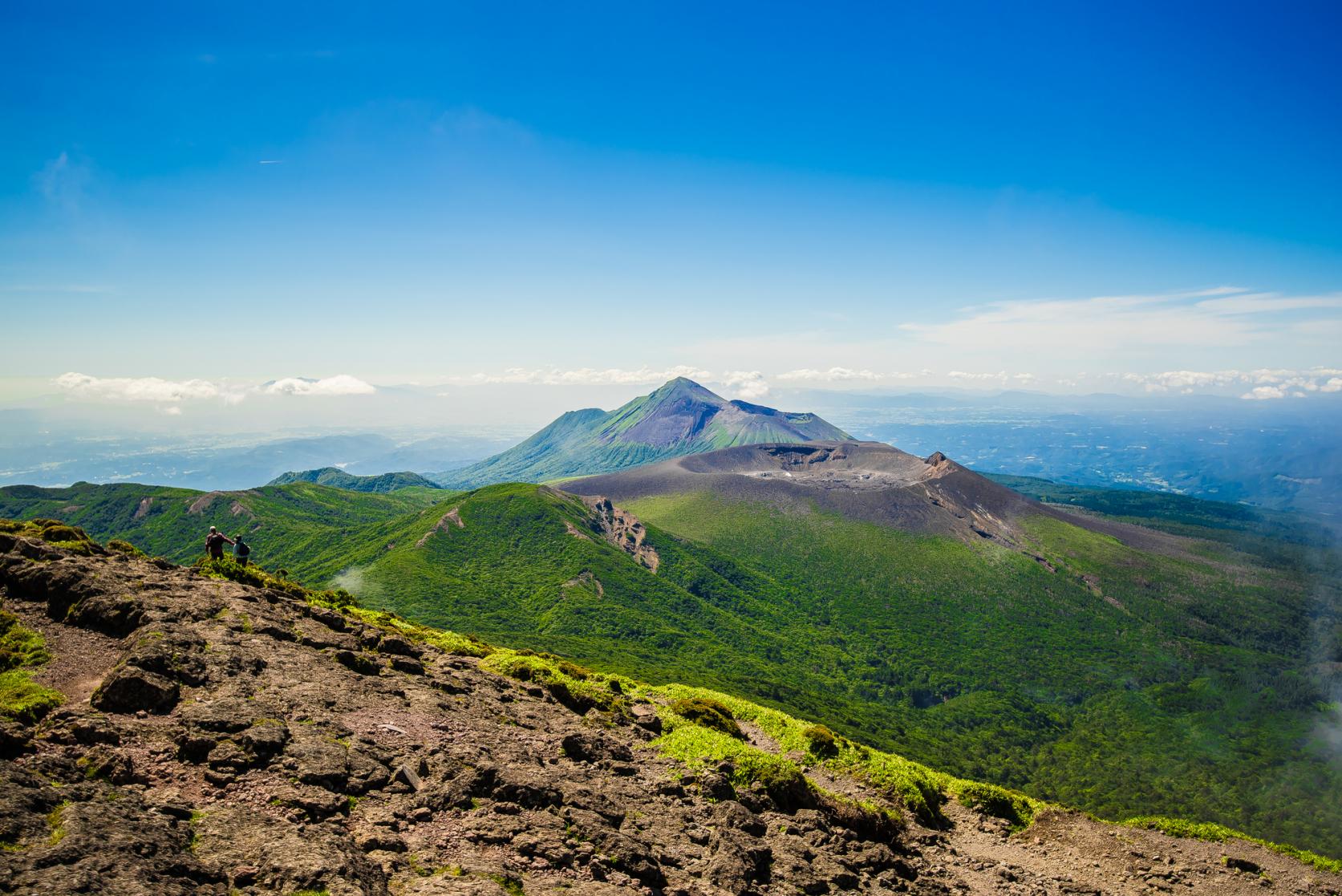
West Miyazaki is home to abundant nature and plenty of leisure destinations
-
Central Miyazaki is easily accessible from the airport and Miyazaki Station
-
Southern Miyazaki, a land rich in tropical charm
-
The power spots of northern Miyazaki fuse dynamic nature with the myths of yore.
-
Enjoy local cuisine and discover great souvenirs! A list of roadside stations in Miyazaki Prefecture
-
Take a tour of famous spots for seasonal flowers in Miyazaki! - Winter -
-
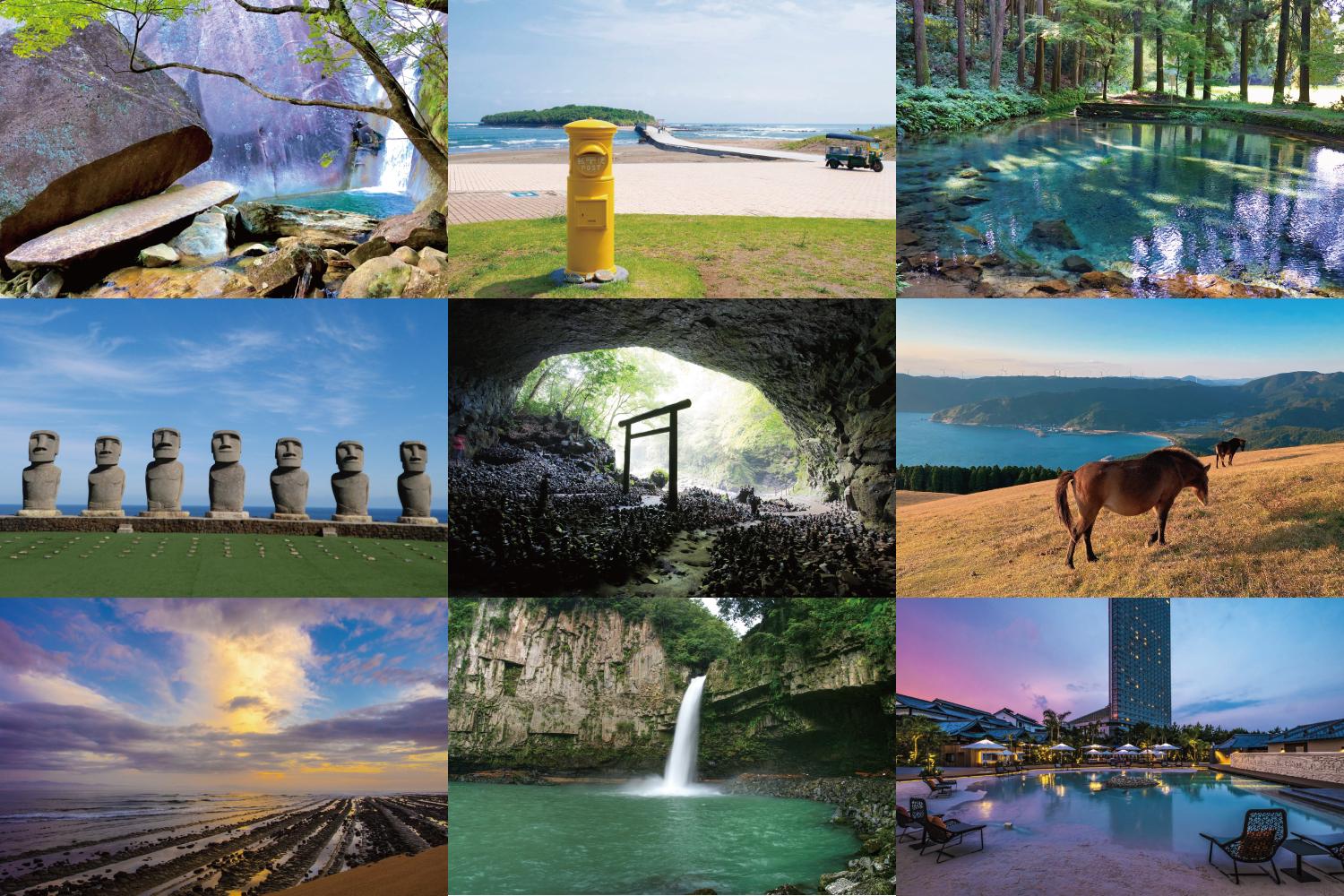
Photogenic spots in Miyazaki where you’ll just have to stop and take pictures
-
A guide to Miyazaki beaches and pools for your summer fun!
-
Take a tour of famous spots for seasonal flowers in Miyazaki! - Spring -
-
Take a tour of famous spots for seasonal flowers in Miyazaki! - Summer -
-
![[Experience Article] A trip to the town where the gods dance. Discovering the true faces of the people who perform the “Takachiho Kagura” through a farm stay-1](https://www.kanko-miyazaki.jp/storage/special_features/596/responsive_images/Jj1eM8CdOcrE0qpw7QCrutHT0tkX6C2dLAIejKKC__1800_1200.jpg)
[Experience Article] A trip to the town where the gods dance. Discovering the true faces of the people who perform the “Takachiho Kagura” through a farm stay
-
Explore More! Travel Miyazaki by Bus & JR
-
![[A first-time farm stay] Experiencing everyday life in an old farmhouse! Farm-stay experience report: Minpaku Kokokyan-1](https://www.kanko-miyazaki.jp/storage/special_features/600/responsive_images/o42zLQemLlfZNpwuwXIbhKYU8t4JoOjCimsvswMu__1800_1200.jpg)
[A first-time farm stay] Experiencing everyday life in an old farmhouse! Farm-stay experience report: Minpaku Kokokyan
-
![[Miyazaki Gibier] Experience the “gift of a life”: savoring authentic gibier and the bounties of the satoyama landscape on a farm stay-1](https://www.kanko-miyazaki.jp/storage/special_features/601/responsive_images/oXDt1NxmZq73SKSTLjhWw3lq0WL4TpvtU0XN8z0L__1639_1229.jpg)
[Miyazaki Gibier] Experience the “gift of a life”: savoring authentic gibier and the bounties of the satoyama landscape on a farm stay
-
Freshly caught excitement! Enjoy fixed net fishing during a farm stay in Miyazaki