



![[A first-time farm stay] Experiencing everyday life in an old farmhouse! Farm-stay experience report: Minpaku Kokokyan-0](https://www.kanko-miyazaki.jp/storage/special_features/600/responsive_images/o42zLQemLlfZNpwuwXIbhKYU8t4JoOjCimsvswMu__1800_1200.jpg)
[A first-time farm stay] Experiencing everyday life in an old farmhouse! Farm-stay experience report: Minpaku Kokokyan
A first-time farm-stay experience, in an old farmhouse built 100 years ago. Kokokyan in Ebino City in Miyazaki Prefecture is the perfect place for your farm-stay debut: it offers a feeling of privacy from renting the whole building together with the warmth of the owners, a married couple who live next door.
Stay here for your first farm stay! With the comfort of renting a whole building and the security of the owners being next door
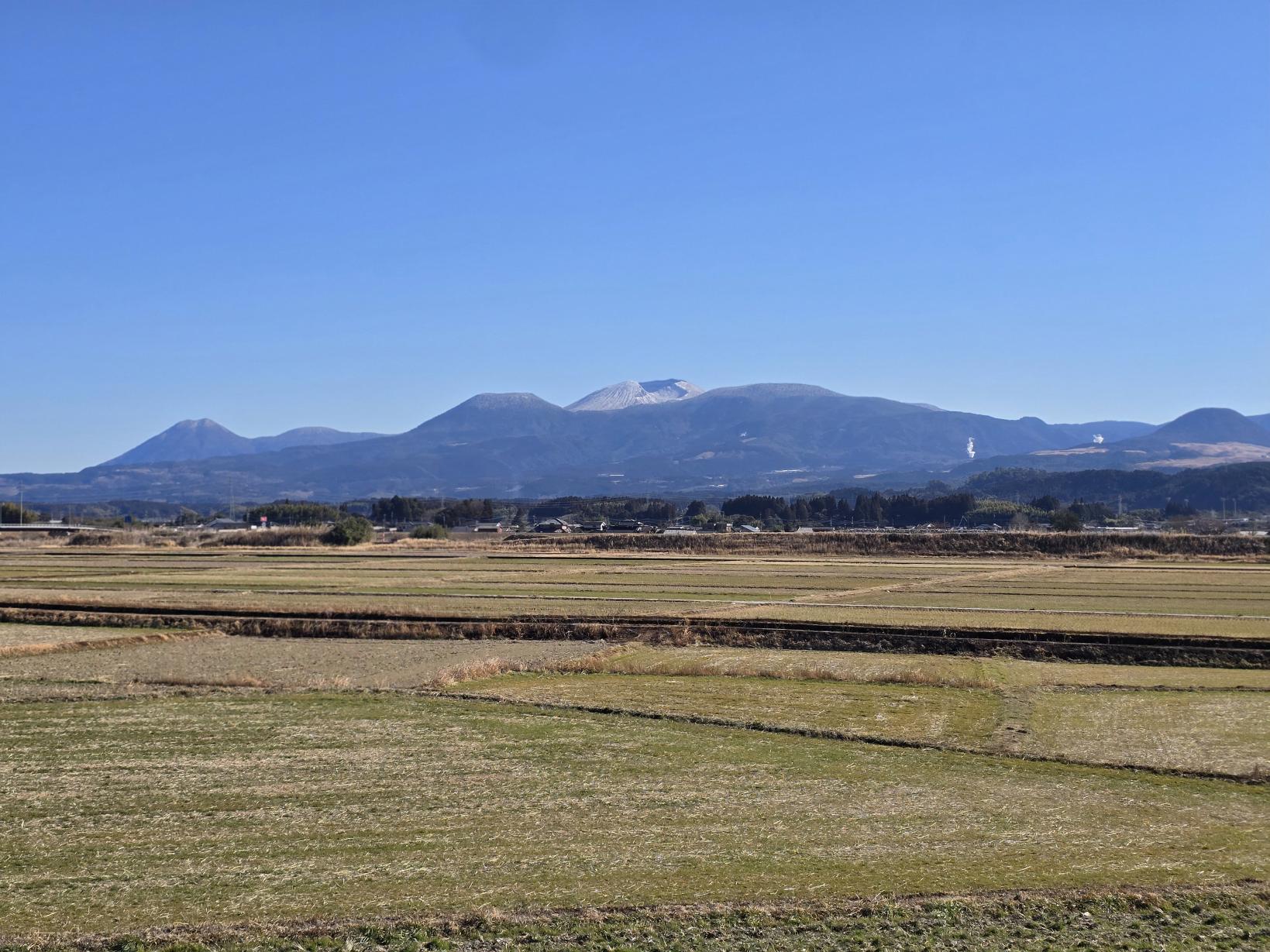
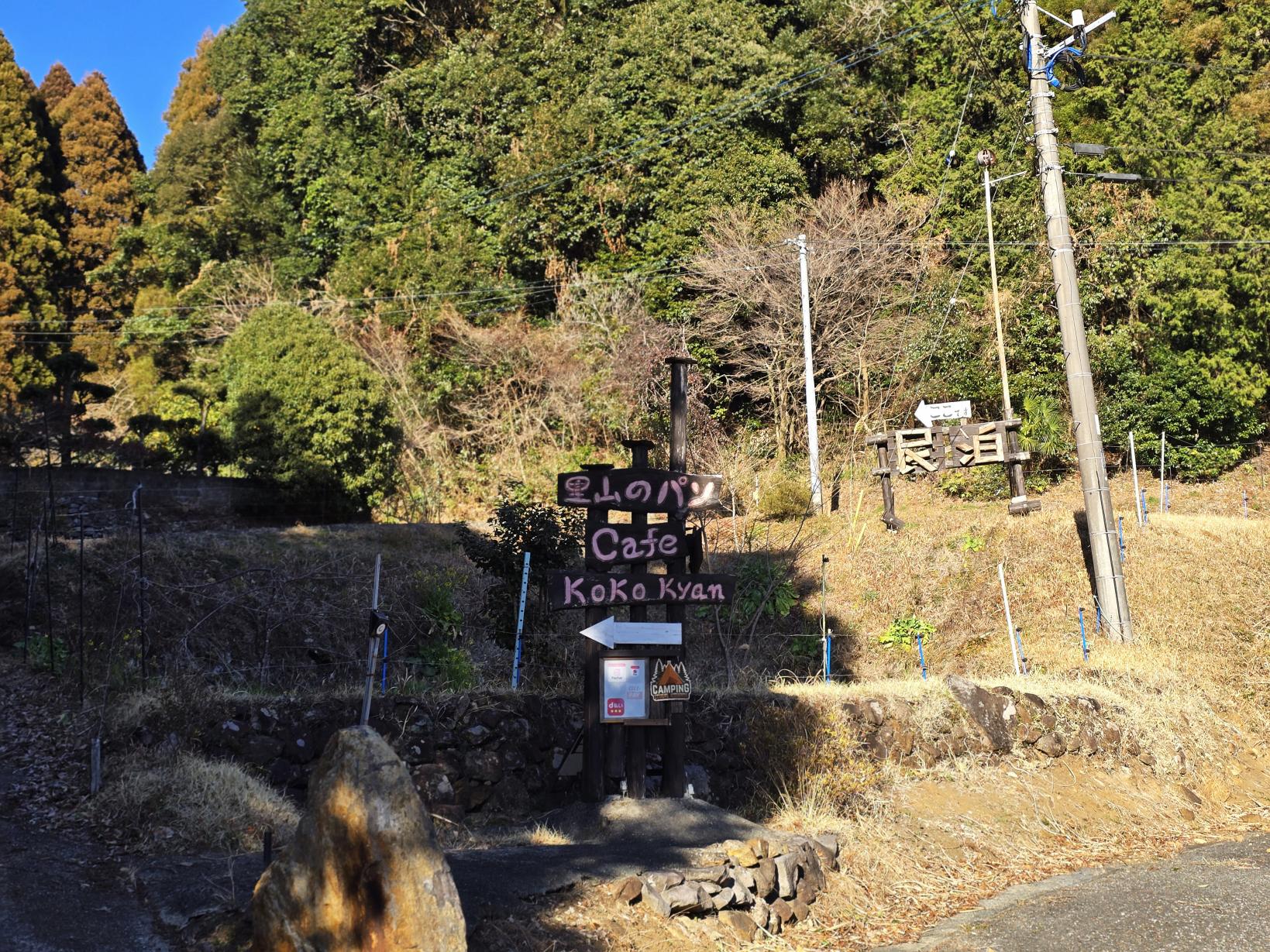
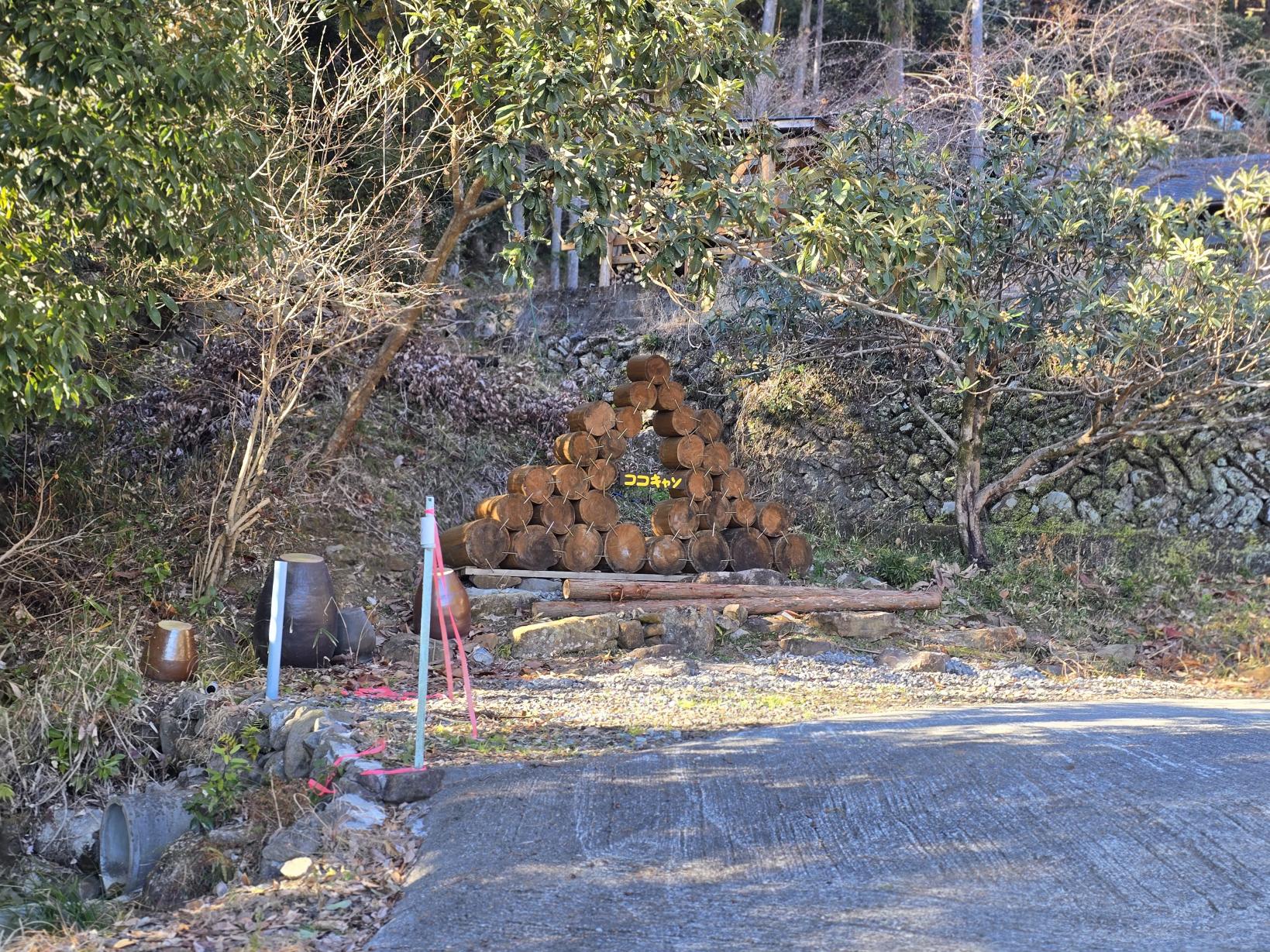
If you’re interested in a farm stay or want to experience living in the countryside but a homestay-style visit where you suddenly lodge in the home of a stranger makes you a bit nervous... I recommend visiting Kokokyan, a farmhouse in Ebino City in Miyazaki Prefecture, for people who are considering their “farm-stay debut.”
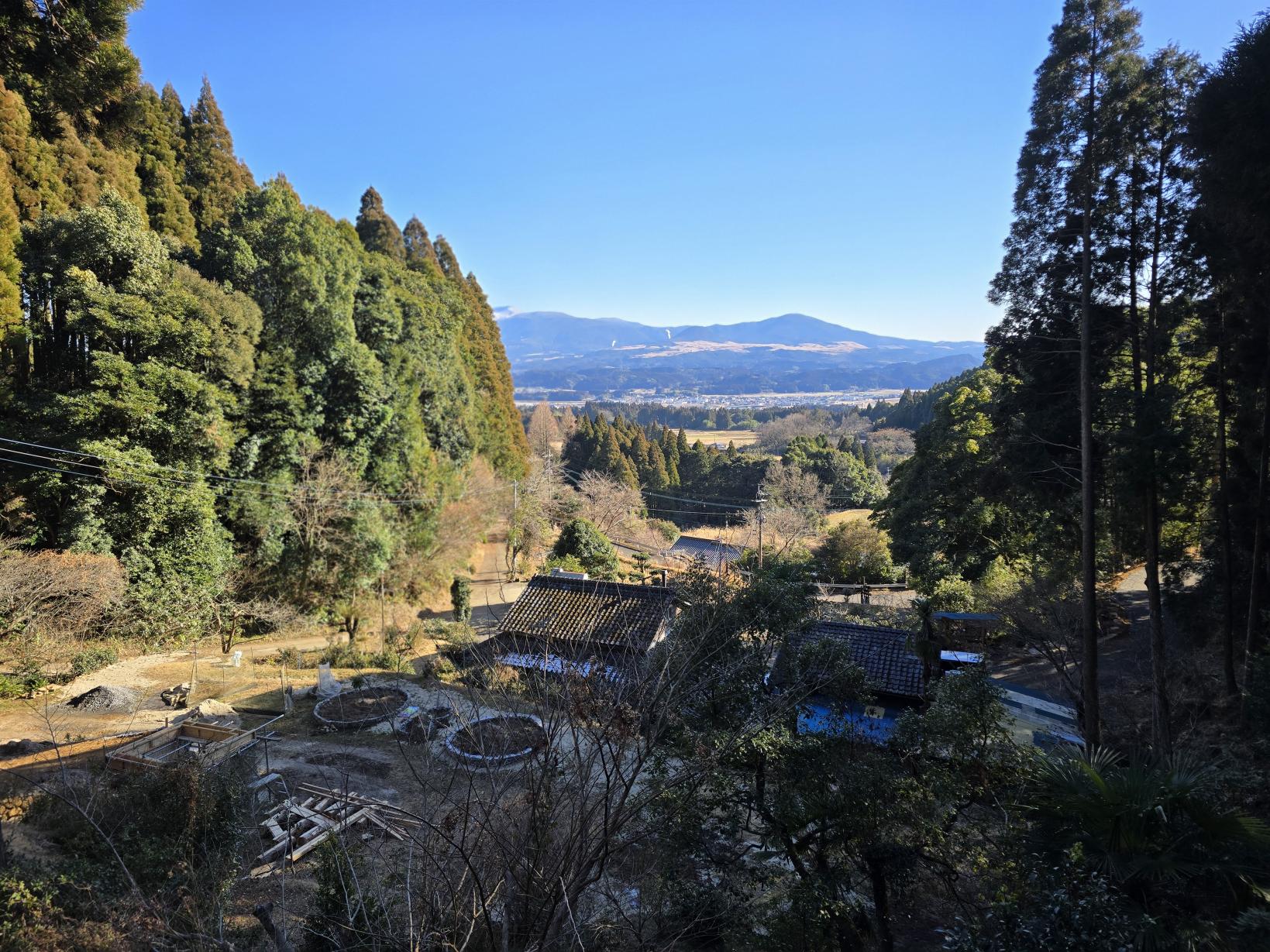
Kokokyan is located on high ground with wonderful views, looking out at the Kirishima Mountains and Ebino Plateau. When I saw the sign, I headed up the hilly road to find the house in question. There’s a row of elegant old houses, with a sturdy log house, bakery, and other structures standing on the area above them.
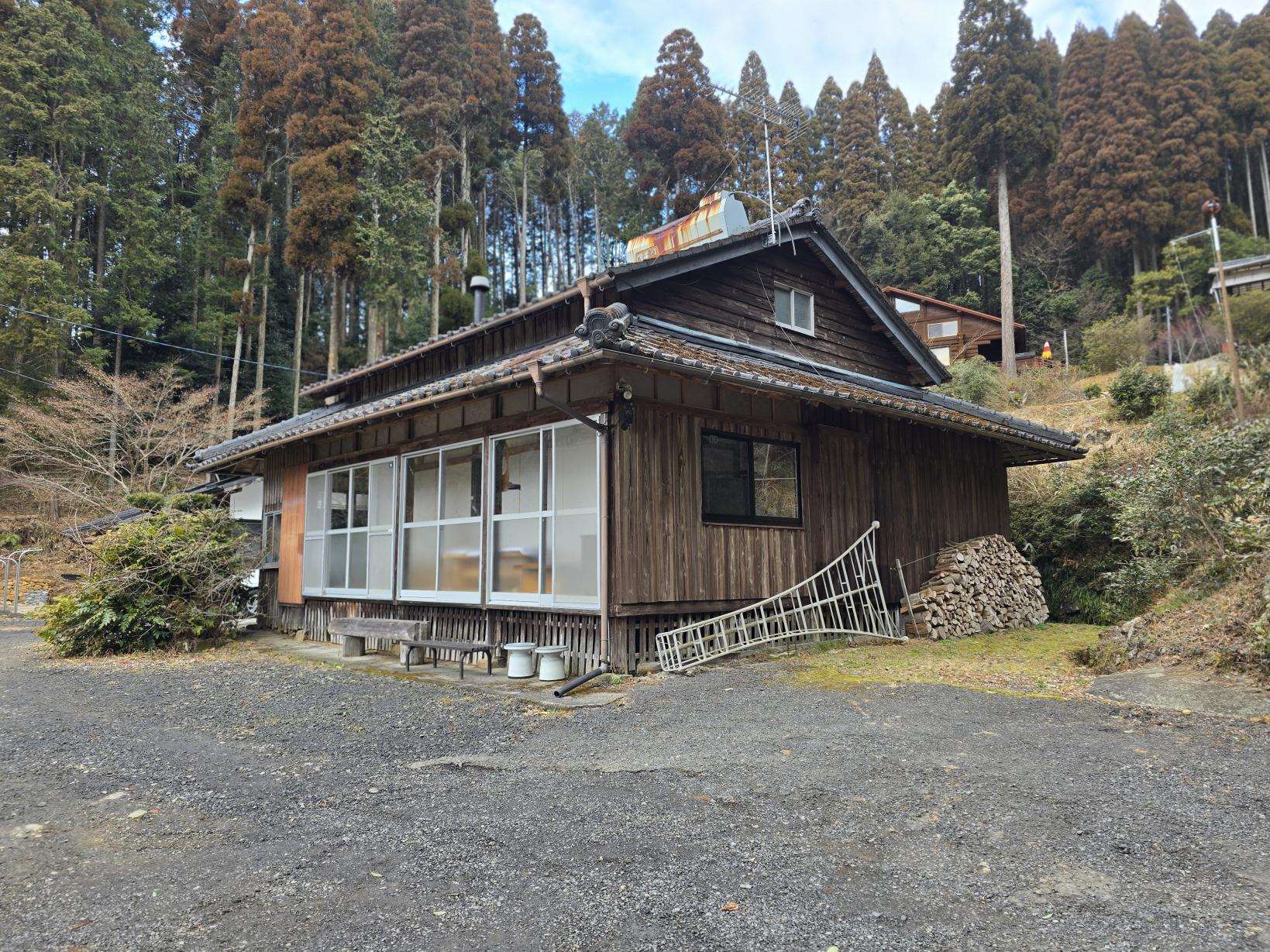
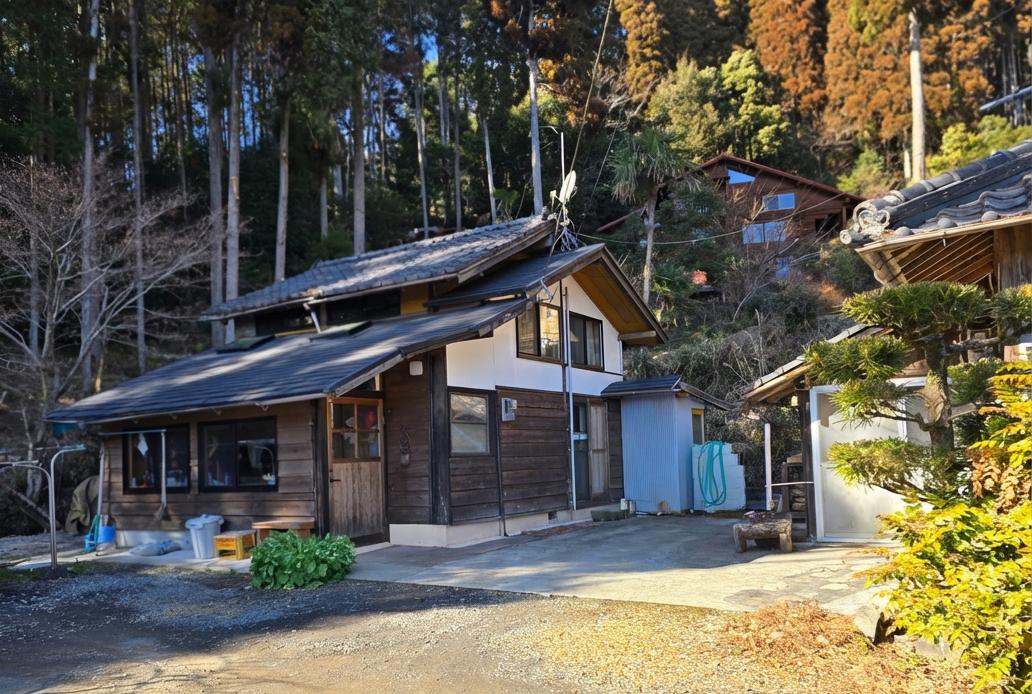
Here, you can rent the whole building, a renovated old farmhouse built more than 100 years ago. This enables you to make the most of private time among yourselves, while the owners, a married couple, live just next door, so if you have any difficulties you can quickly ask them—the feeling of security with just enough distance is one of the major appeals of this accommodation.
A century-old farmhouse and a DIY log house: an ever-evolving “adult recreation space”
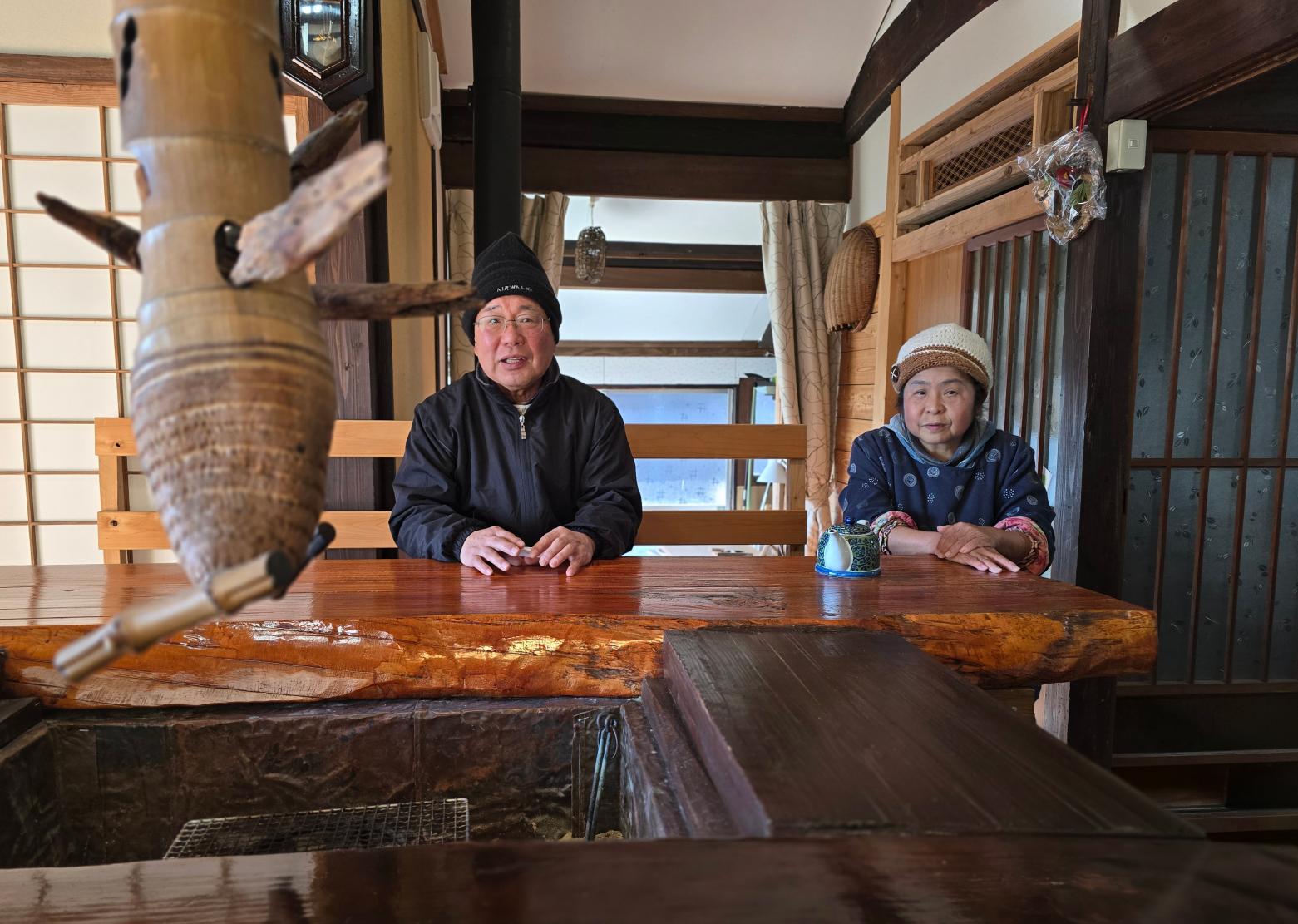
One great point is that the old farmhouse contains a desirable irori, a traditional sunken hearth in the center of the room, which the owners have improved by adding a table to make it easier for modern guests to sit here. The owners’ hand-made cafe and bakery are also located on the premises, and there’s even a teepee tent and sauna facility in the garden, with a new guesthouse under construction, making this a space that is constantly evolving in real-time.
Here, I’ll introduce my experience of a farm stay in Kokokyan, with the owners’ warm personalities and time spent freely in the countryside.
[Introducing the owner] “I like making things”: the second life of a former SDF member
![[Introducing the owner] “I like making things”: the second life of a former SDF member-0](https://www.kanko-miyazaki.jp/storage/special_feature_paragraphs/4993/responsive_images/4flFzWmFL550ztdX97rMRdaQzBYbI9T4aaqxD5y7__1639_1229.jpg)
![[Introducing the owner] “I like making things”: the second life of a former SDF member-1](https://www.kanko-miyazaki.jp/storage/special_feature_paragraphs/4993/responsive_images/bSVSd7Tgs5TL6UVGxvxXUcxudJ17o3YAqRD9233G__1639_1229.jpg)
![[Introducing the owner] “I like making things”: the second life of a former SDF member-2](https://www.kanko-miyazaki.jp/storage/special_feature_paragraphs/4993/responsive_images/V3KfIQoNsTPI7TDut6EbseiT9IJHR8y5t889oJii__1639_1229.jpg)
![[Introducing the owner] “I like making things”: the second life of a former SDF member-3](https://www.kanko-miyazaki.jp/storage/special_feature_paragraphs/4993/responsive_images/O4HHIvWjvFhSL3GSYZ9jTJYAmRULFws6W1LzSfBX__1639_1229.jpg)
![[Introducing the owner] “I like making things”: the second life of a former SDF member-4](https://www.kanko-miyazaki.jp/storage/special_feature_paragraphs/4993/responsive_images/NLj1J45kySJ6IHyJwFTHsck97DKPAqtJDZAdhD56__1639_1229.jpg)
“Shall we take a little walk?” Kenjiro Kozuma, the owner, said gently as he guided me around the premises. He is in fact a former member of the Japan Self-Defense Forces (SDF) who was later employed as a technical official for construction.
He started creating this place more than 25 years ago. While he was still working, he decided he wanted a space for recreation, so he built the log house that is now used as a cafe—that was the start of it all. Rather than leave it to a contractor, he drew up the plans himself, notched the logs and numbered them, and then put it together: a true self-build. “It’s because I like making things,” he laughed, but his skill and enthusiasm match those of any craftsman.
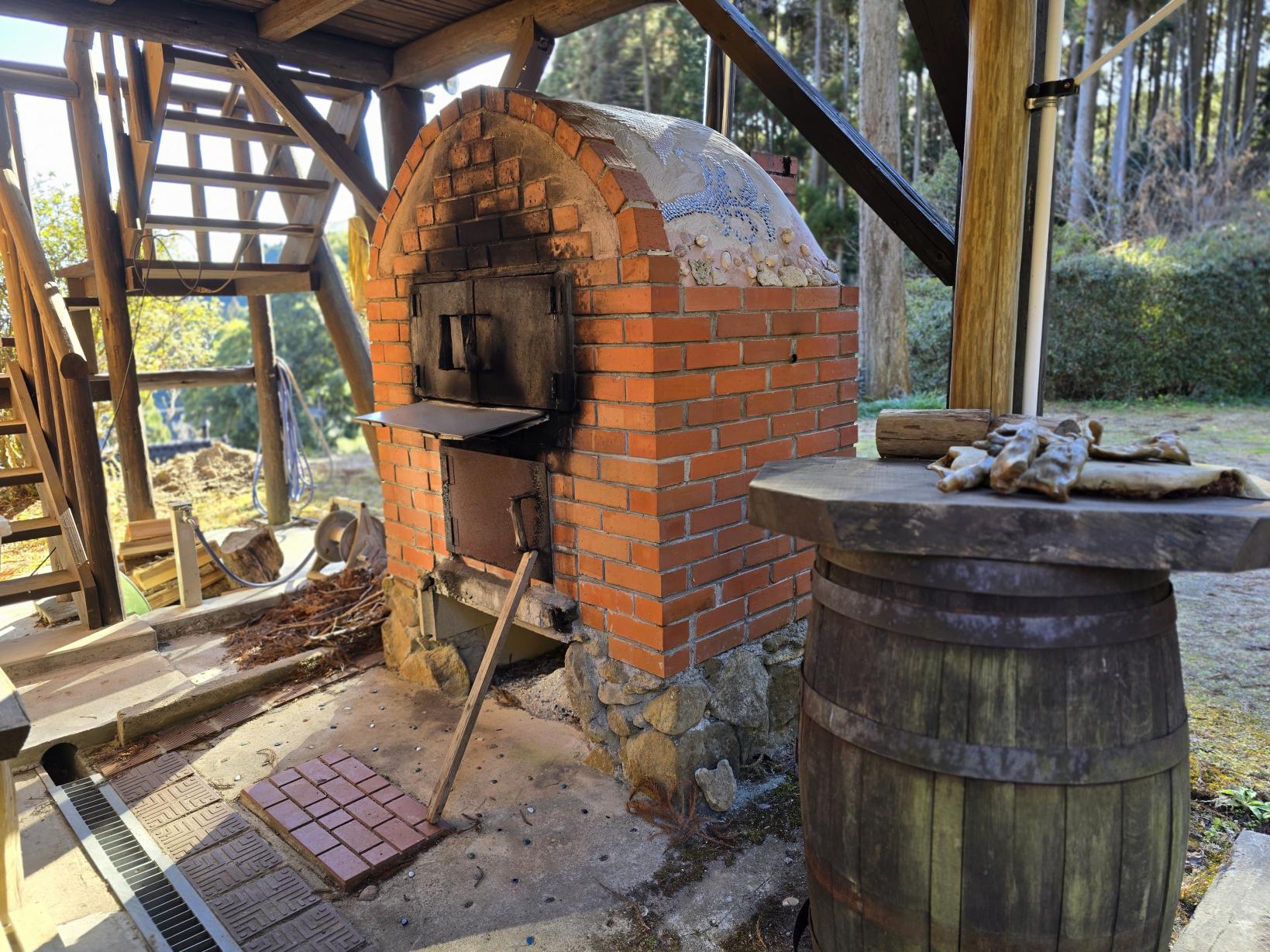
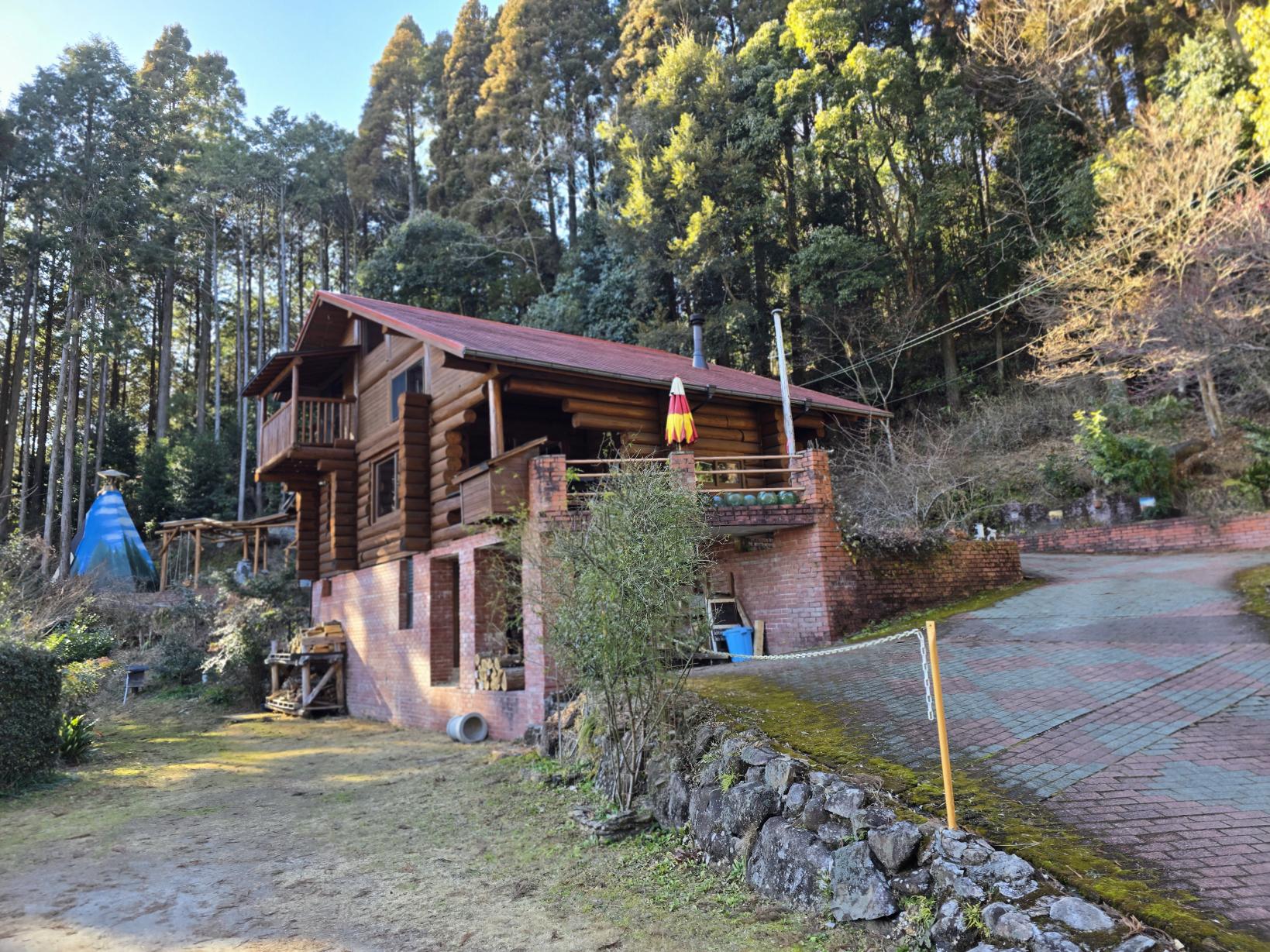
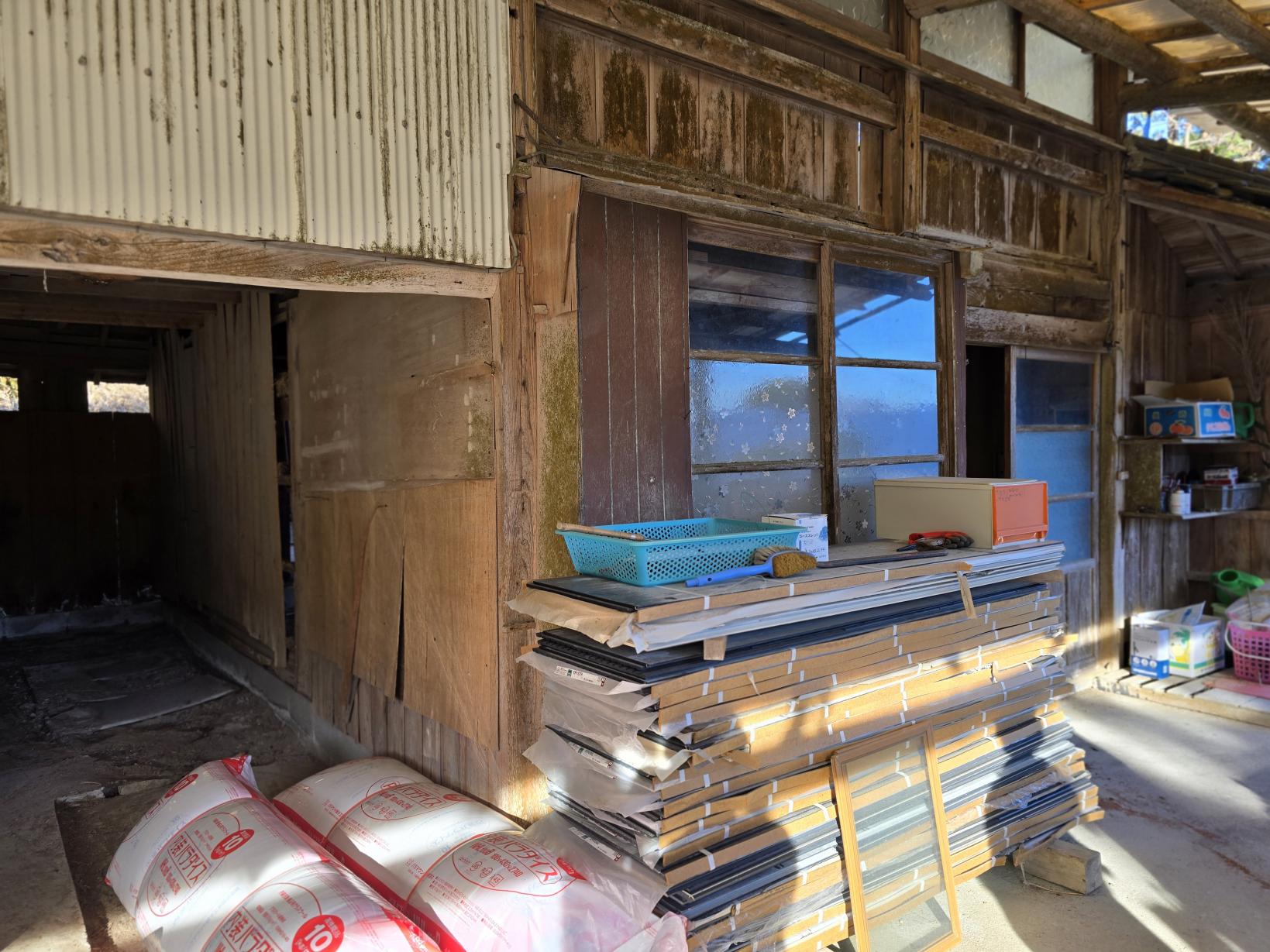
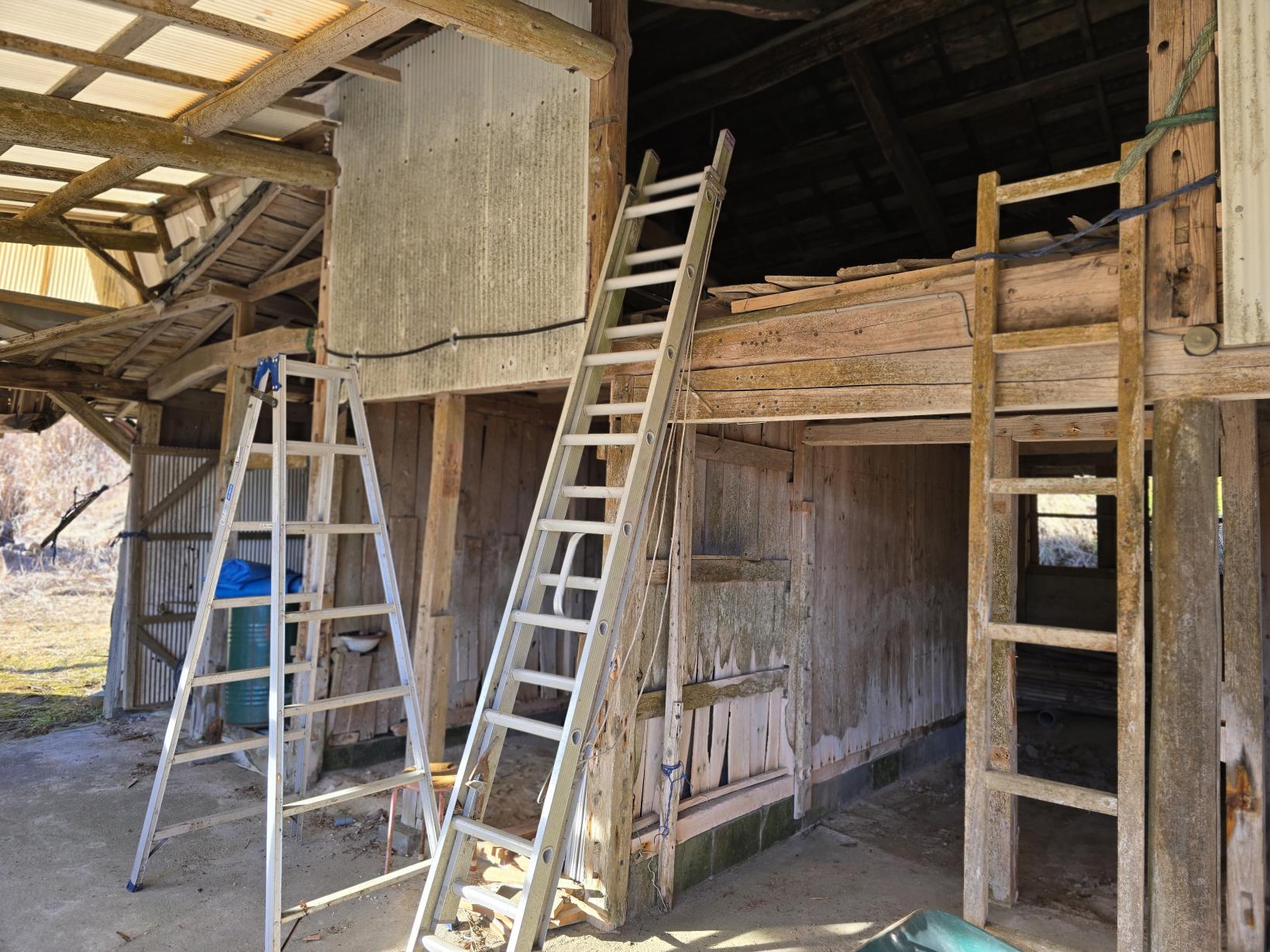
After taking early retirement, he moved here and renovated the former cattle shed into a home. He was even able to regenerate the old farmhouse next door as an accommodation facility. There’s no stopping his desire to build—he’s now gained ownership of an adjacent vacant house, and is in the middle of preparing the ground himself using heavy machinery (an excavator) so he can renovate it into a new guest house and a processing plant.
“Next, I’ll be creating a garden here,” “I made a sauna hut, too,” Mr. Kozuma said, with sparking eyes. Kokokyan is continuing to evolve with the second life of its owner.
[Experience report] A walk through the fields and an authentic soba-making experience
![[Experience report] A walk through the fields and an authentic soba-making experience-0](https://www.kanko-miyazaki.jp/storage/special_feature_paragraphs/4995/responsive_images/Fow3UqxOGNWrZAhwmPA85Lv43awJioiIhm4HLzA6__1639_1229.jpg)
![[Experience report] A walk through the fields and an authentic soba-making experience-1](https://www.kanko-miyazaki.jp/storage/special_feature_paragraphs/4995/responsive_images/zMTCmsOmpzfRAbdm5lAltL9u2wS0vURRCKJSXup0__1639_1229.jpg)
![[Experience report] A walk through the fields and an authentic soba-making experience-2](https://www.kanko-miyazaki.jp/storage/special_feature_paragraphs/4995/responsive_images/COAF5G2PsapOAKD7NZBET5EZIE3sQPCEMF8Ctbot__1639_1229.jpg)
Across the road from Kokokyan lies the spread of terraced fields that Mr. and Mrs. Kozuma farm. Here, they cultivate and mill the wheat and rye flour they use to make the bread they sell on Fridays, and the buckwheat flour they use for soba-making experiences.
Column
They sell bread and even run a cafe
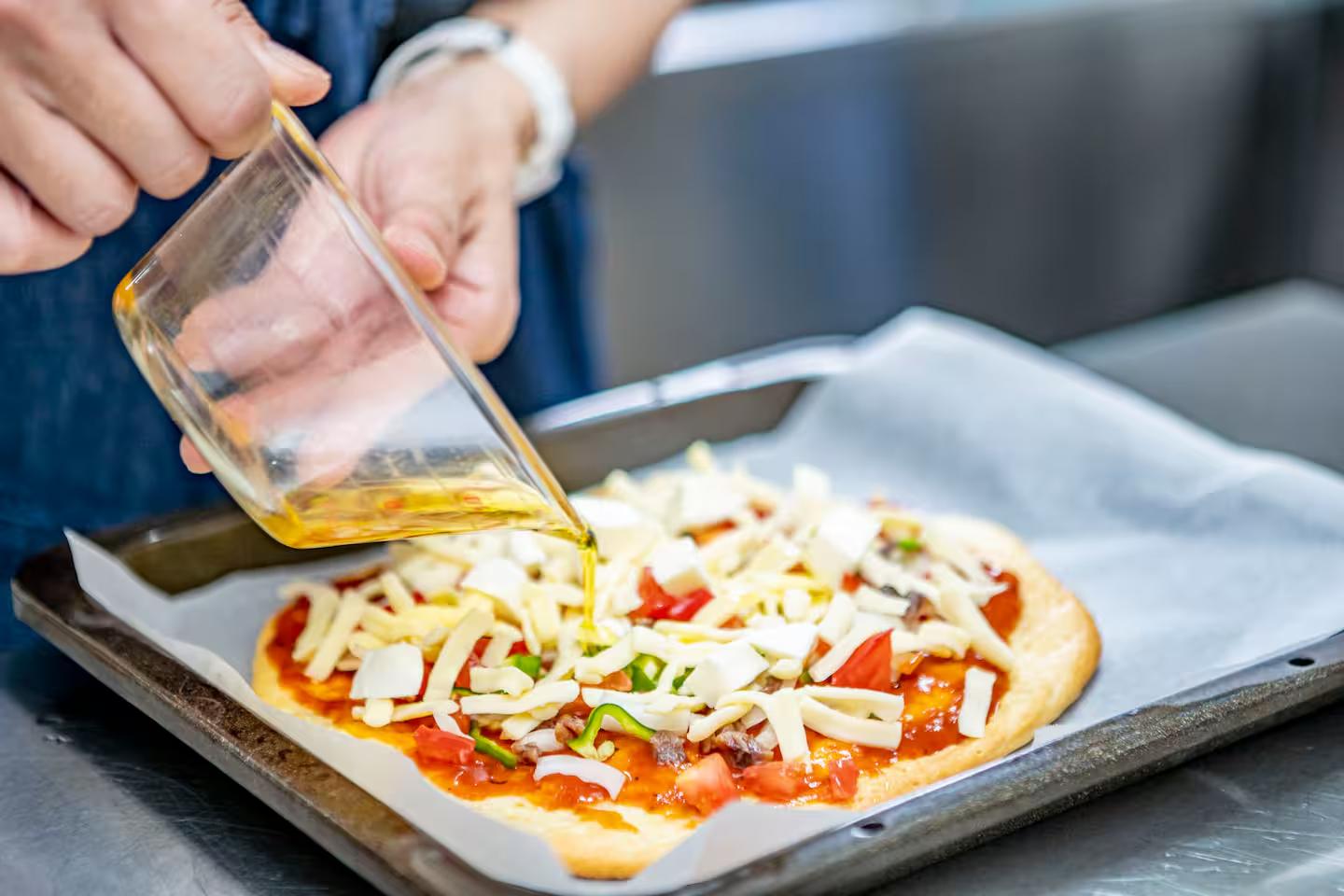
From 1 pm on Fridays (no other days), Kokokyan sells bread. If they have no bookings for their accommodation on weekends and holidays, they also run a cafe, where guests can enjoy a pizza lunch baked in a stone oven. They may also open on weekdays if bookings are made, so make sure you inquire if you’re interested. They even offer pizza-making and bread-making experiences.
They sell bread and even run a cafe
From 1 pm on Fridays (no other days), Kokokyan sells bread. If they have no bookings for their accommodation on weekends and holidays, they also run a cafe, where guests can enjoy a pizza lunch baked in a stone oven. They may also open on weekdays if bookings are made, so make sure you inquire if you’re interested. They even offer pizza-making and bread-making experiences.
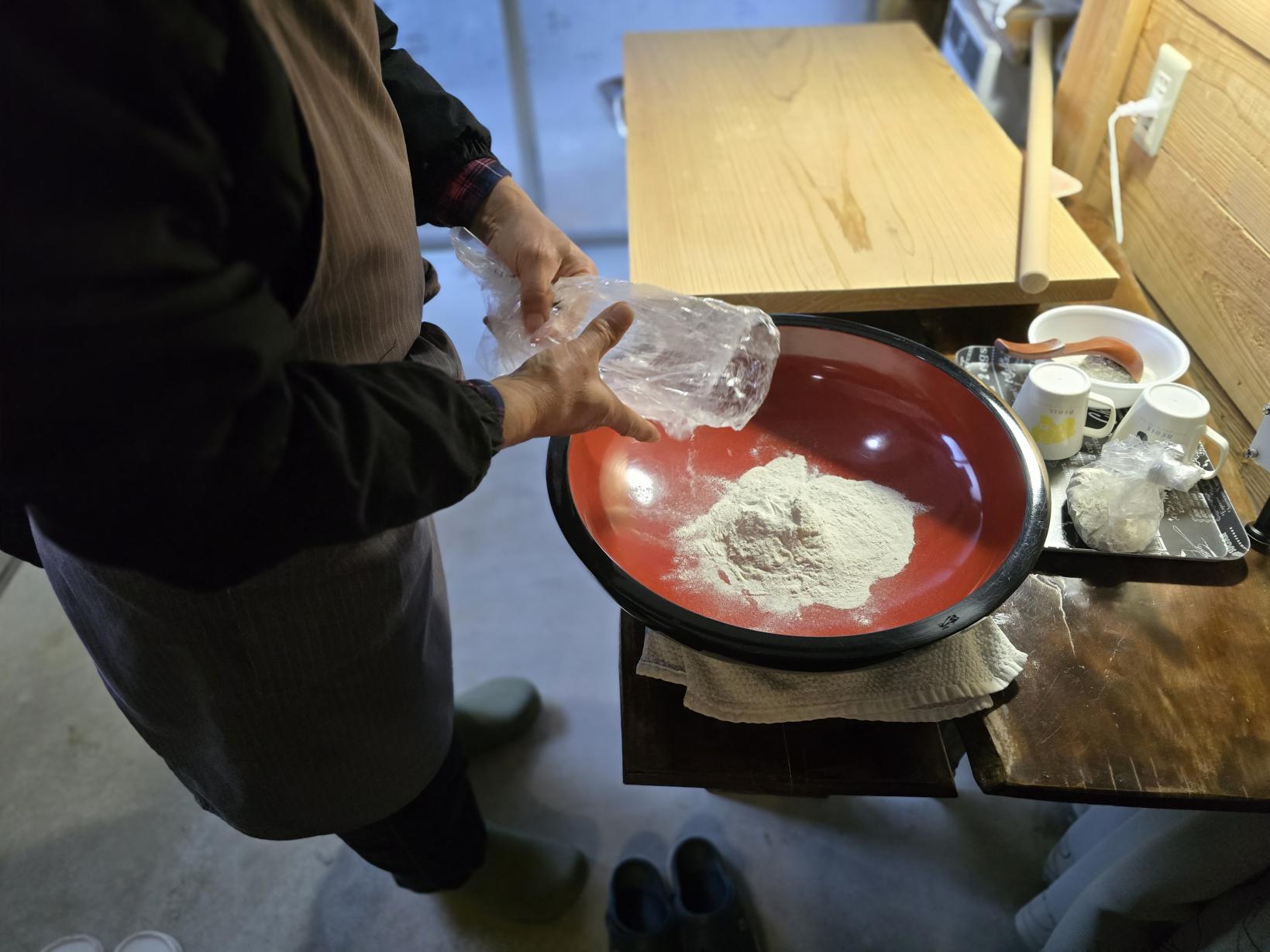
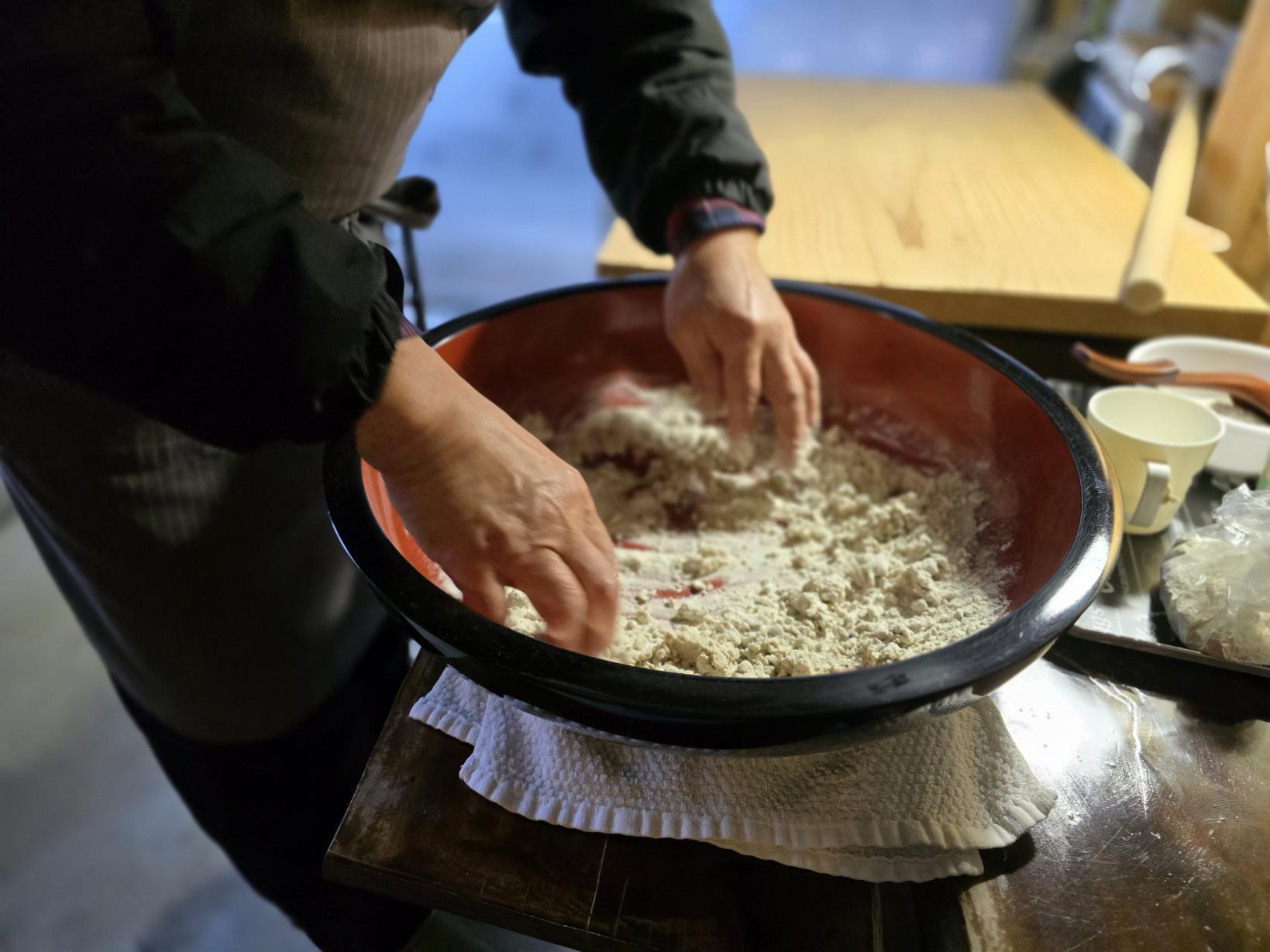
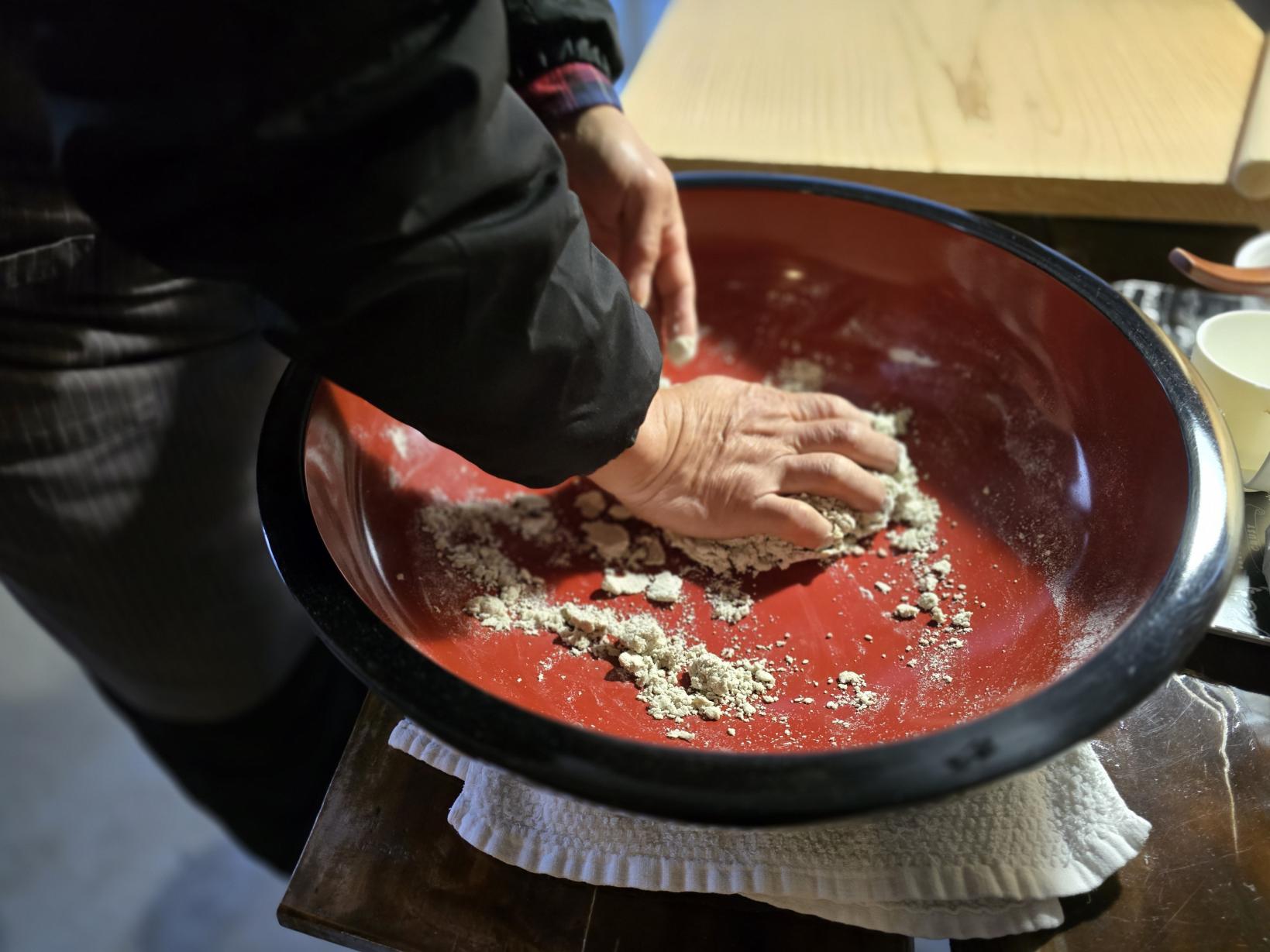
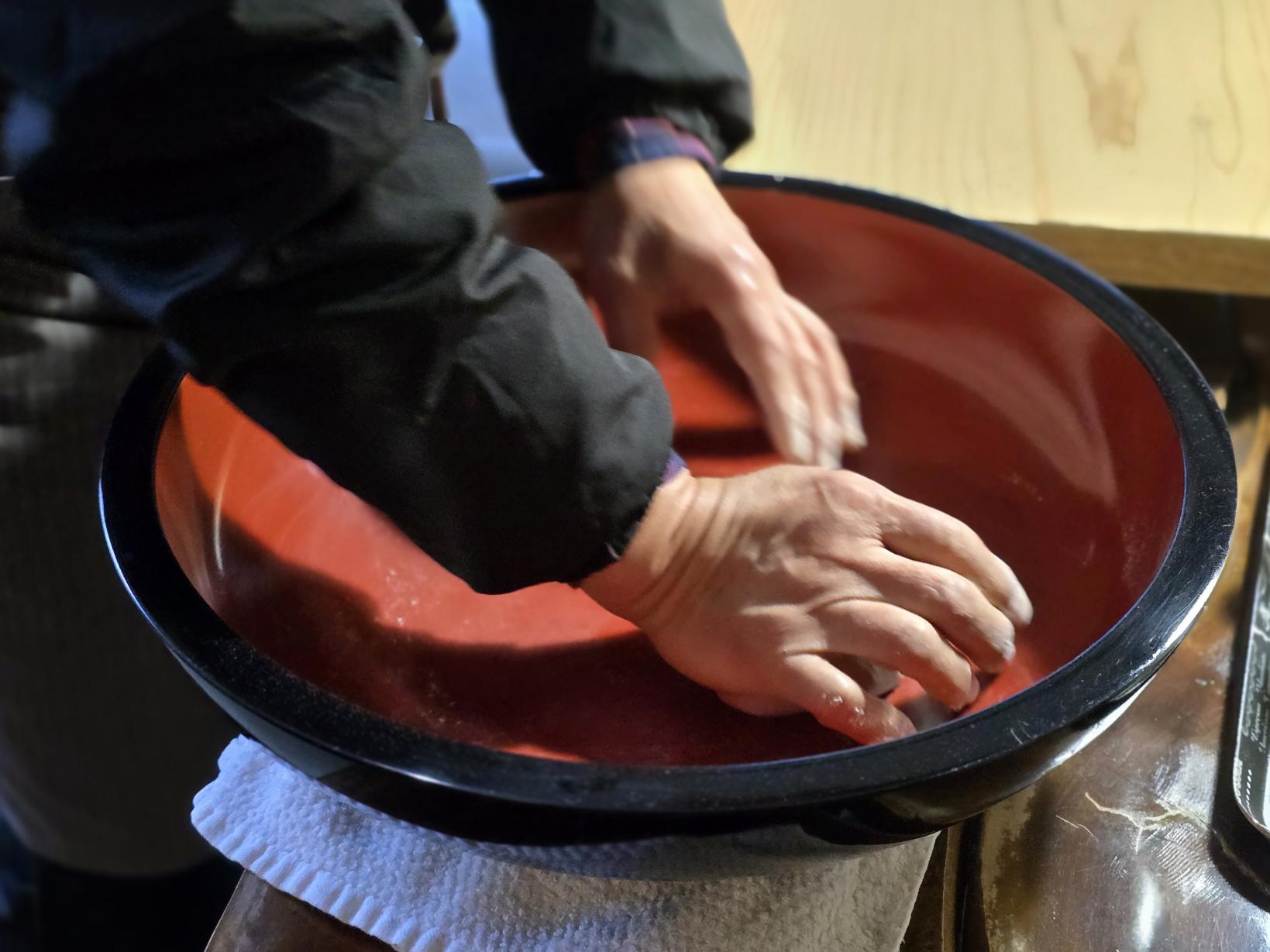
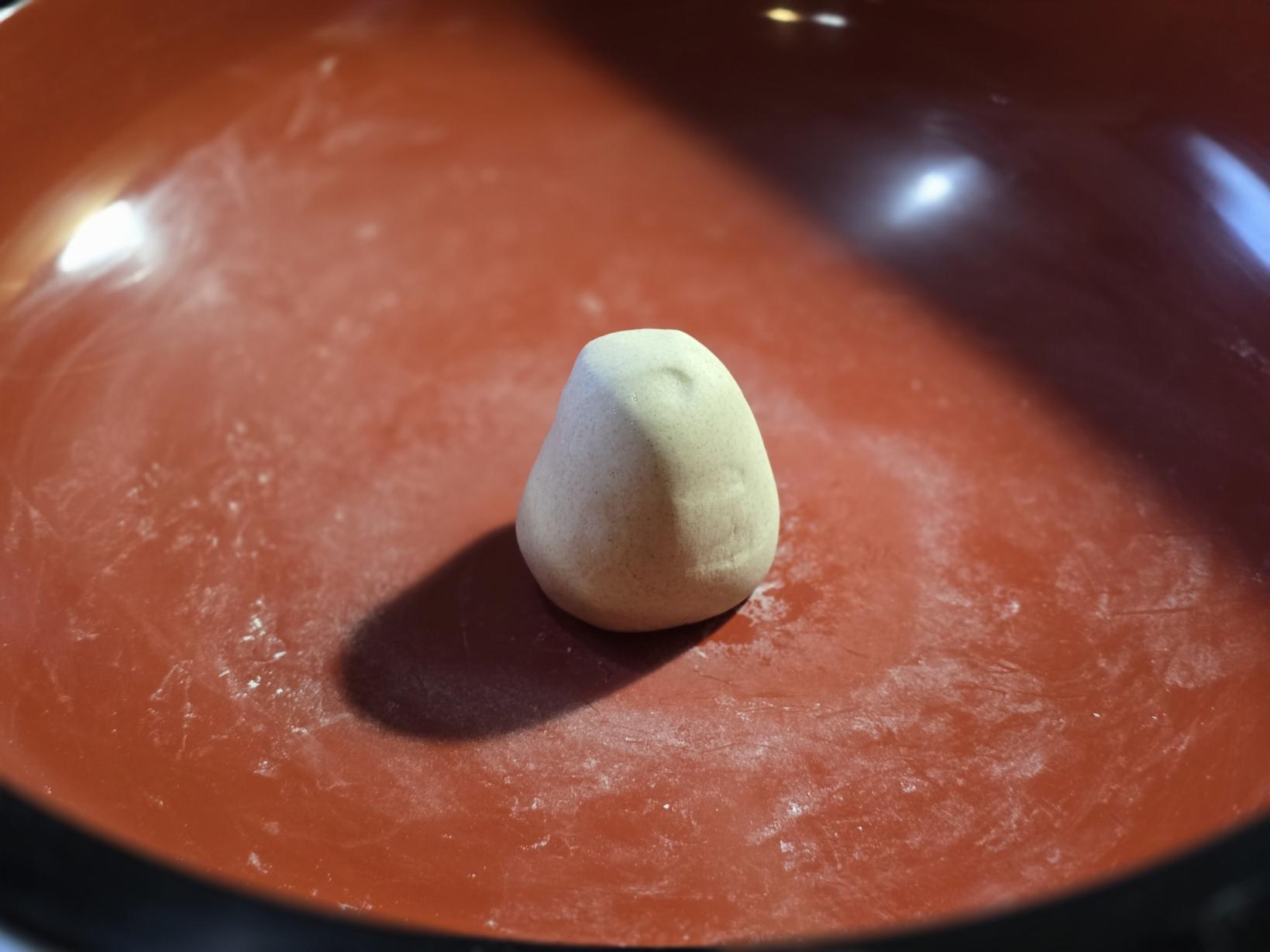
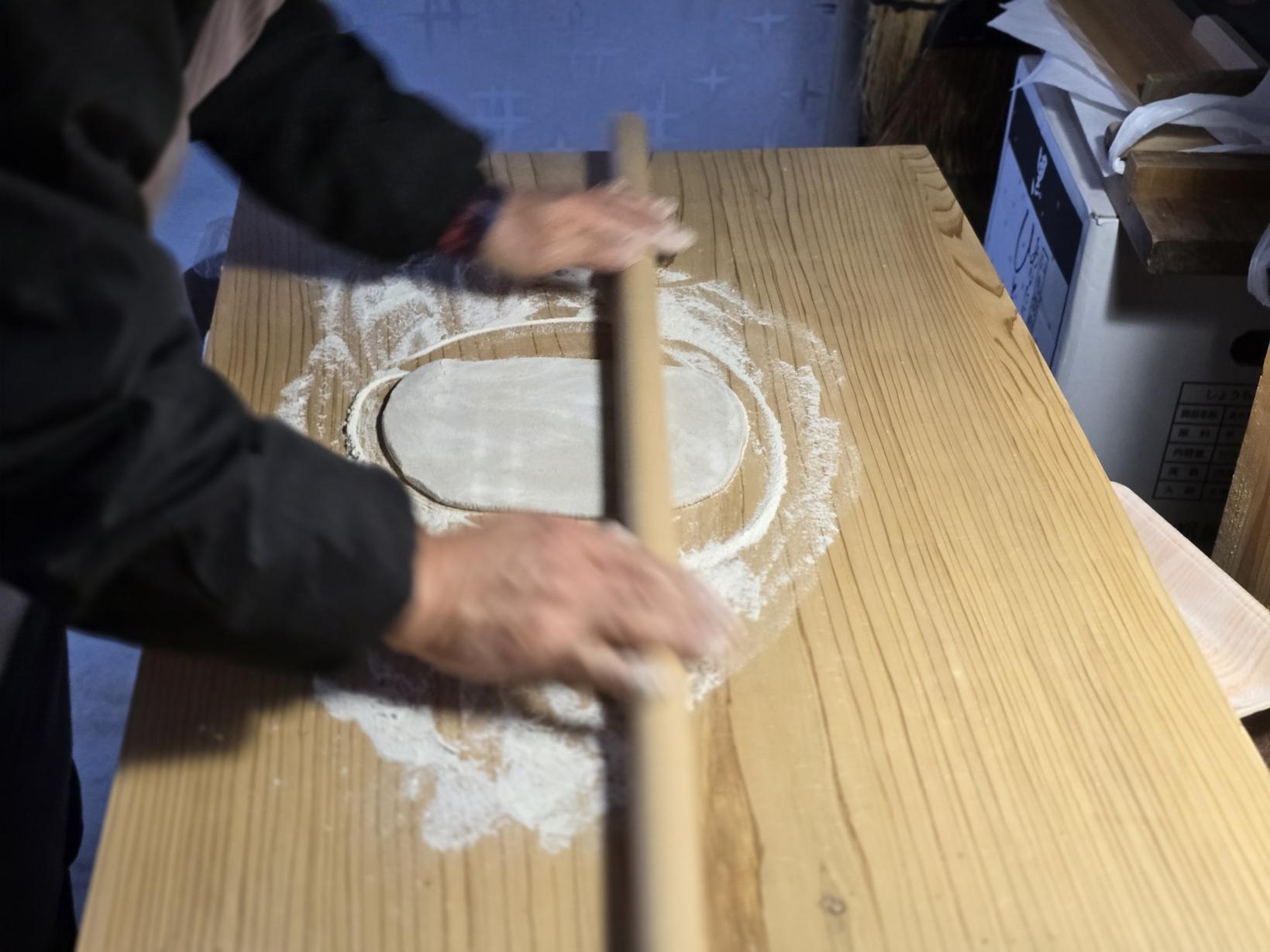
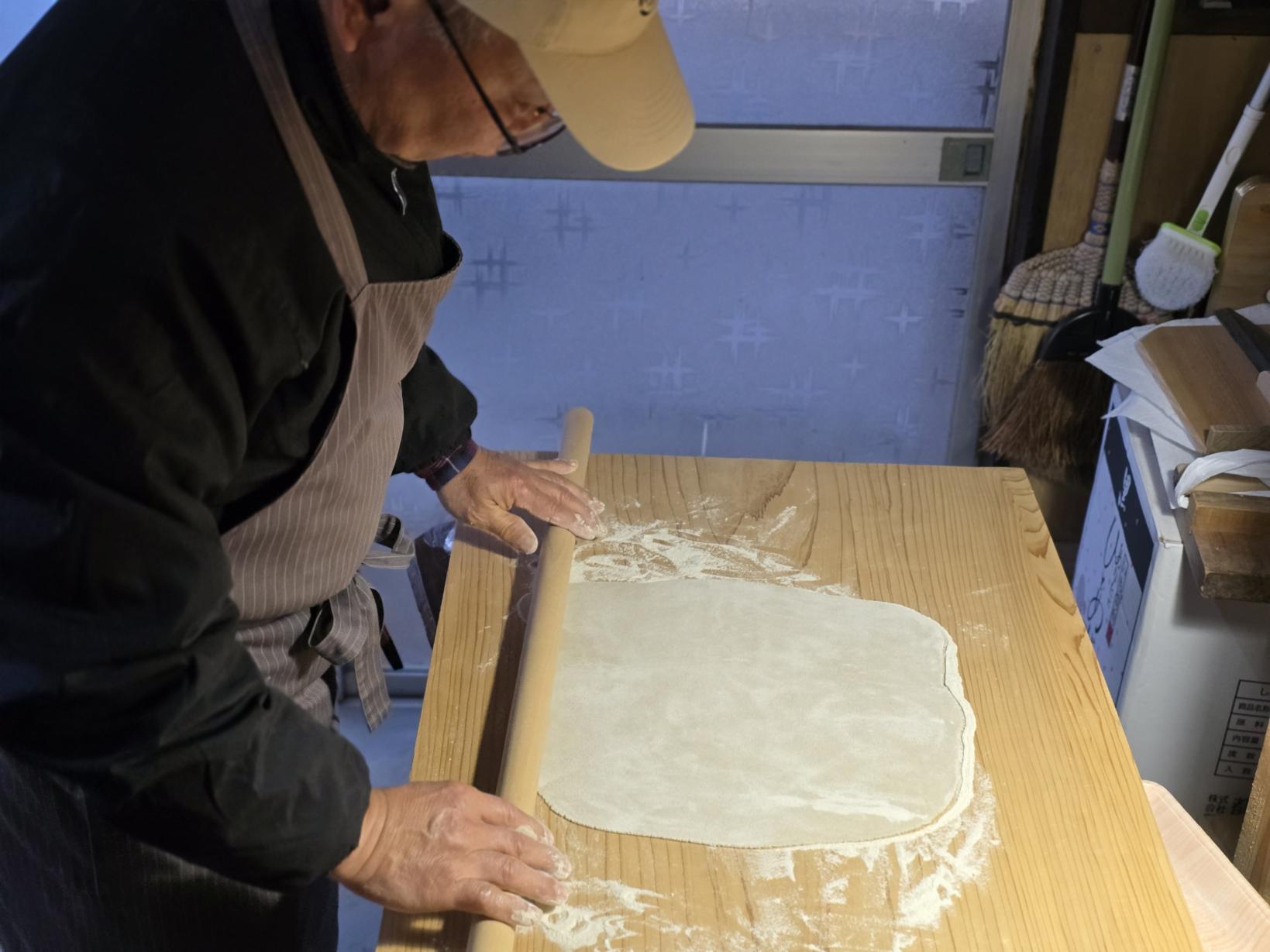
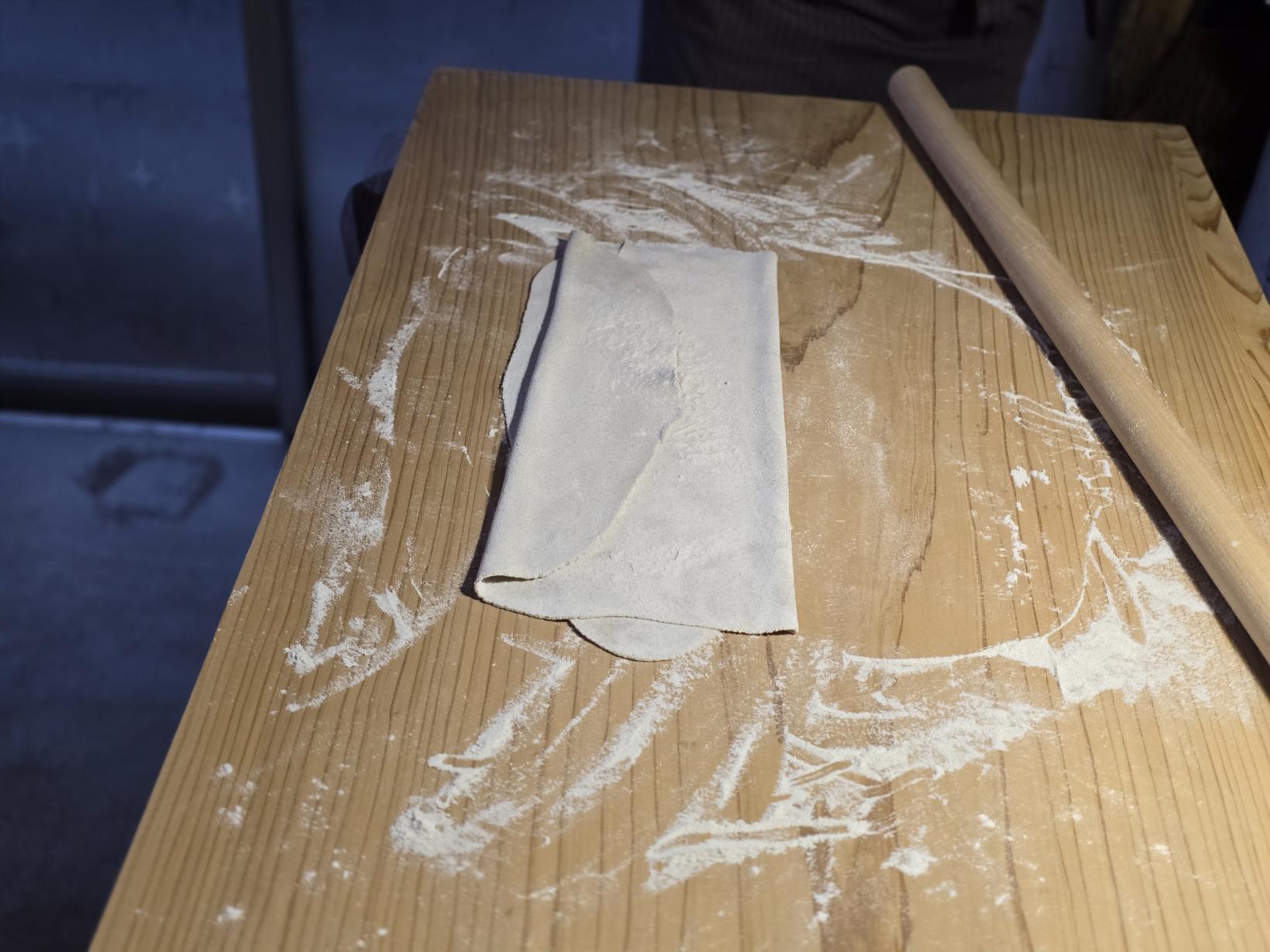
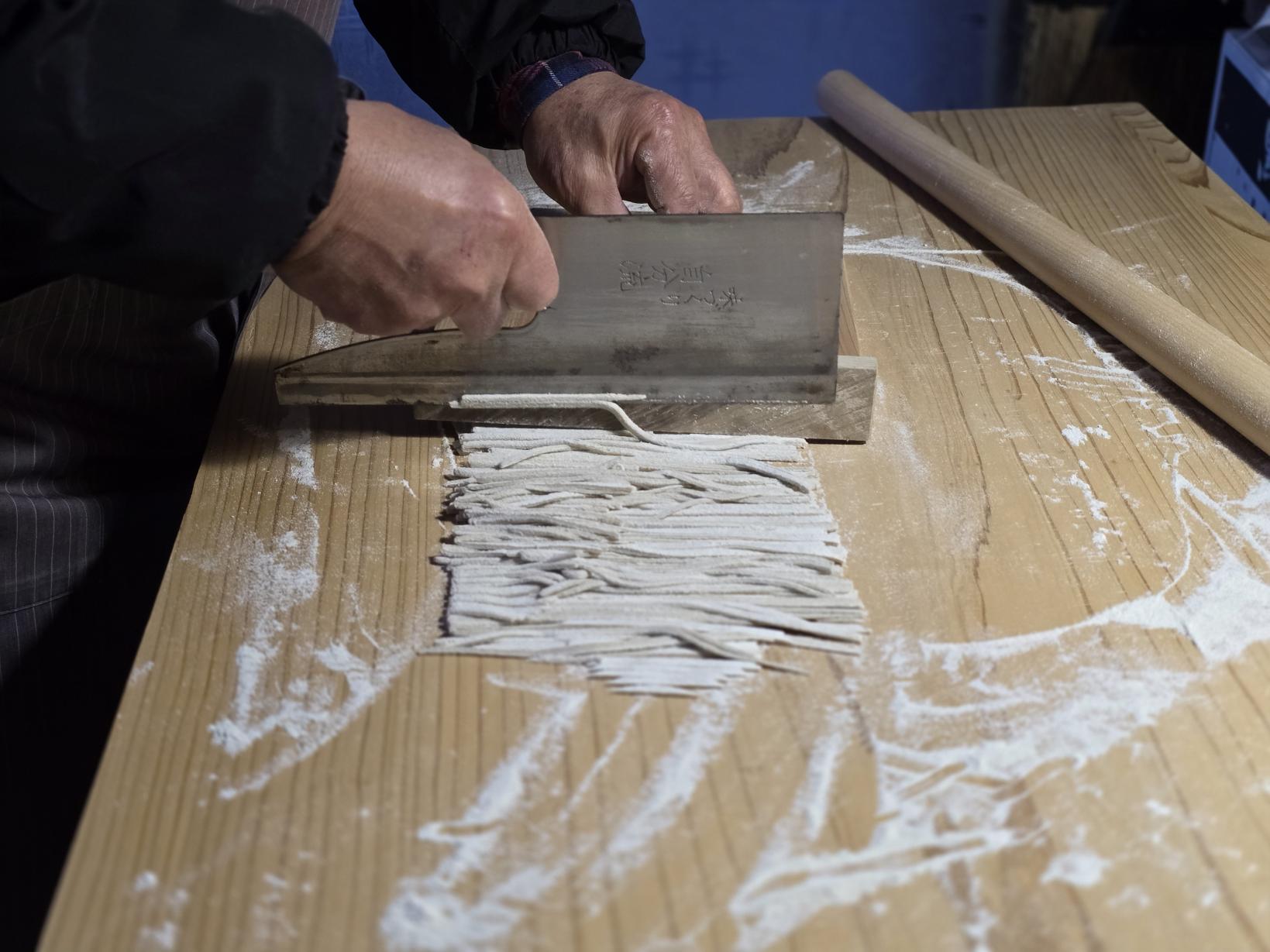
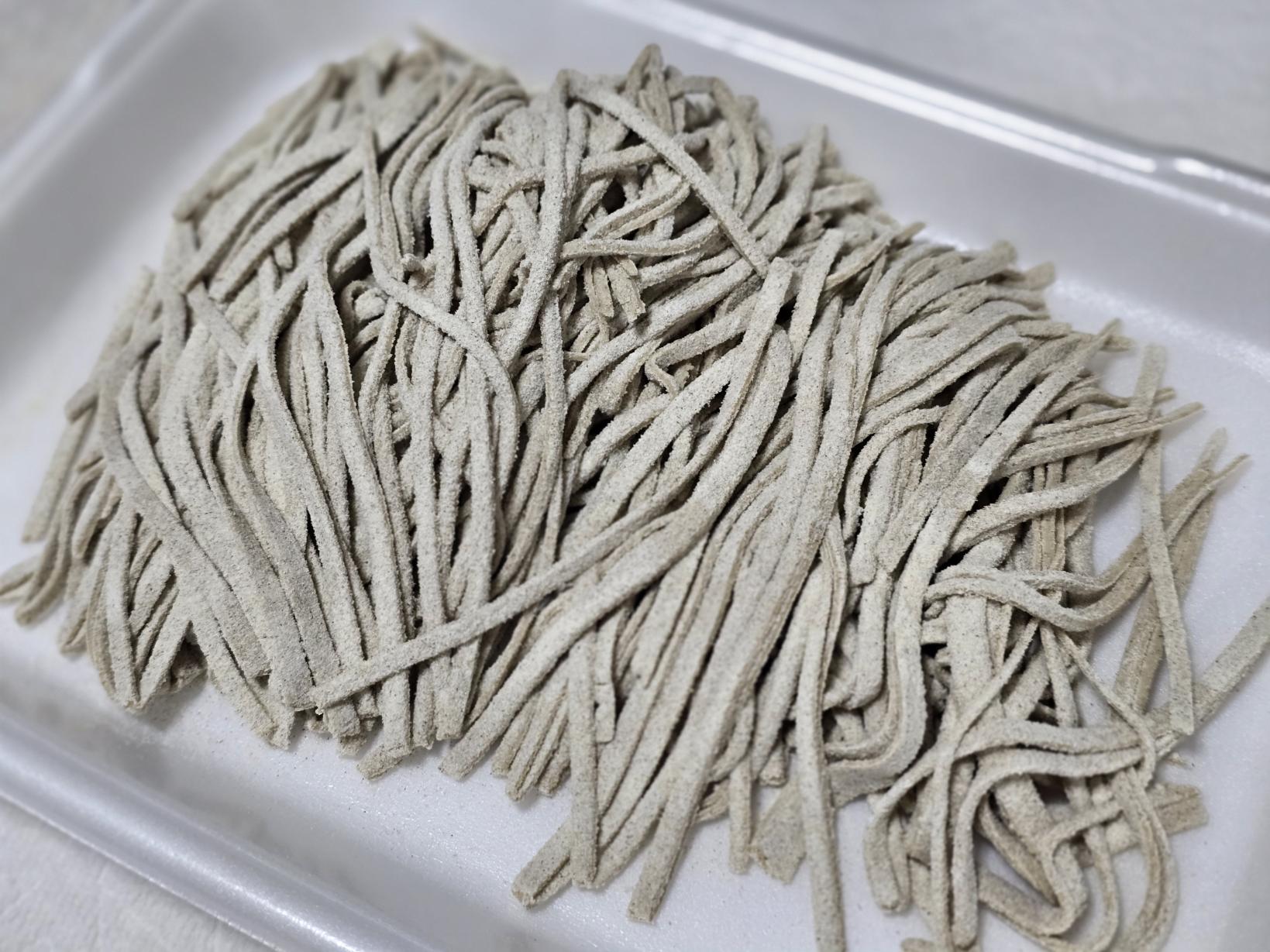
Once I was hungry from my walk, we started the soba-making experience, an experience plan that I had booked. Naturally, we used the buckwheat flour that the owners had grown and milled. And on top of this, we took on the challenge of “juwari soba,” which doesn't use any binding ingredients.
“The trick is to quickly mix it as you add the water little by little,” explained Mr. Kozuma. Knead the flour, spread it with the rolling pin, cut it with a knife. I understood this, but it was a hard struggle—the noodles were all different thicknesses and I kept cutting them short.
But, “It’s warm countryside soba, so it’s tastier if it’s thicker,” I was told, making it a fun memory even if it was a failure.
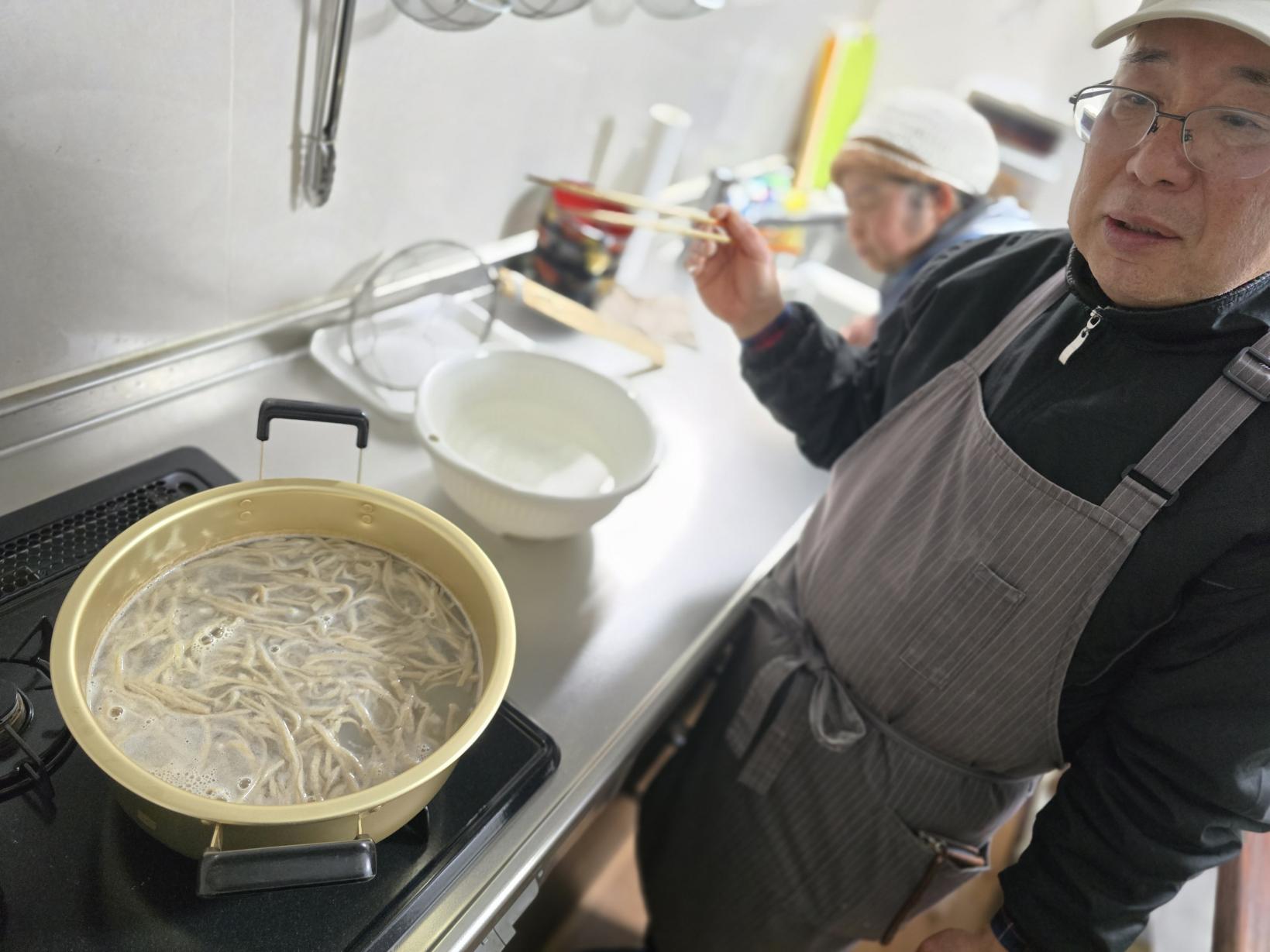
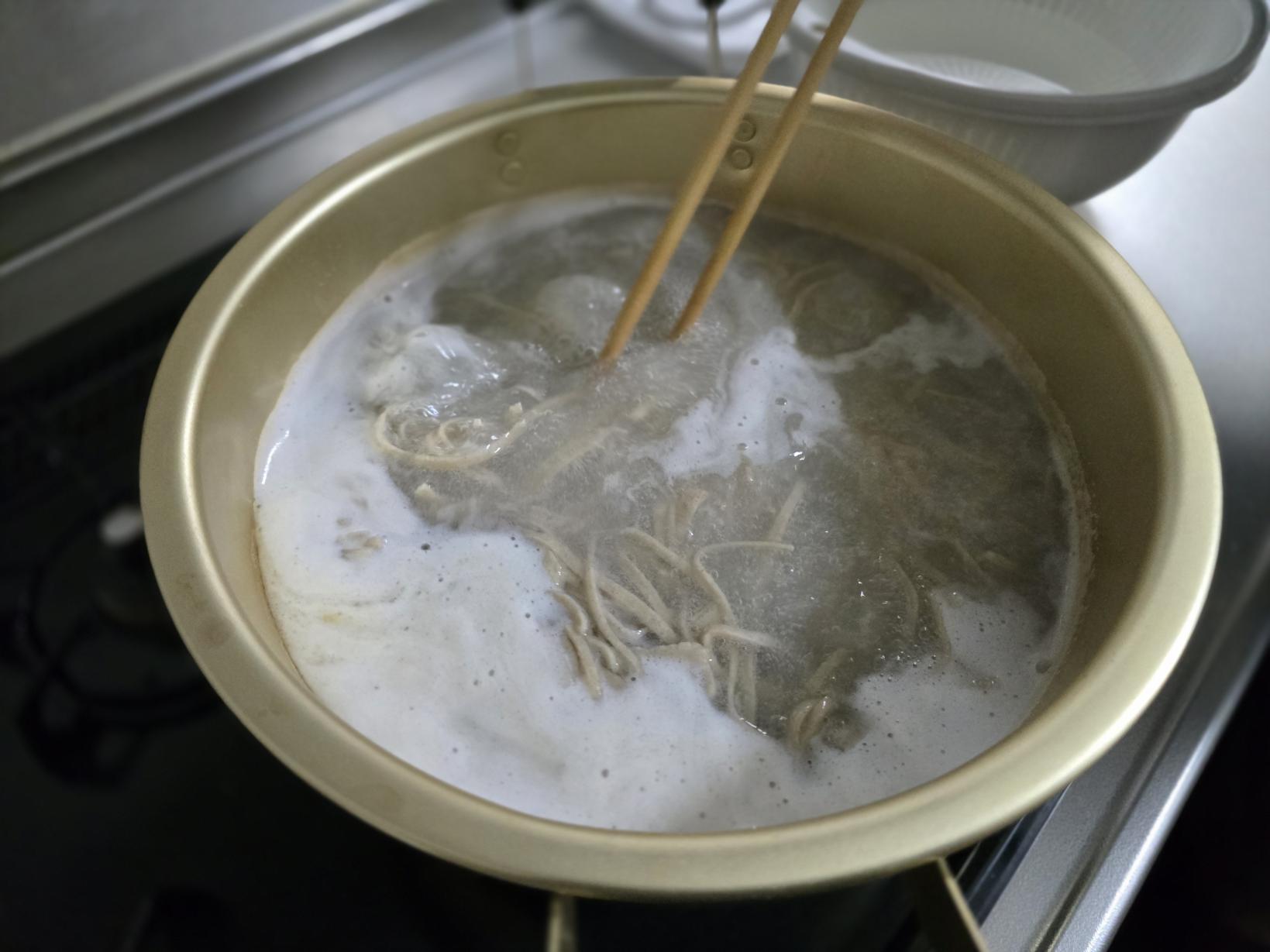
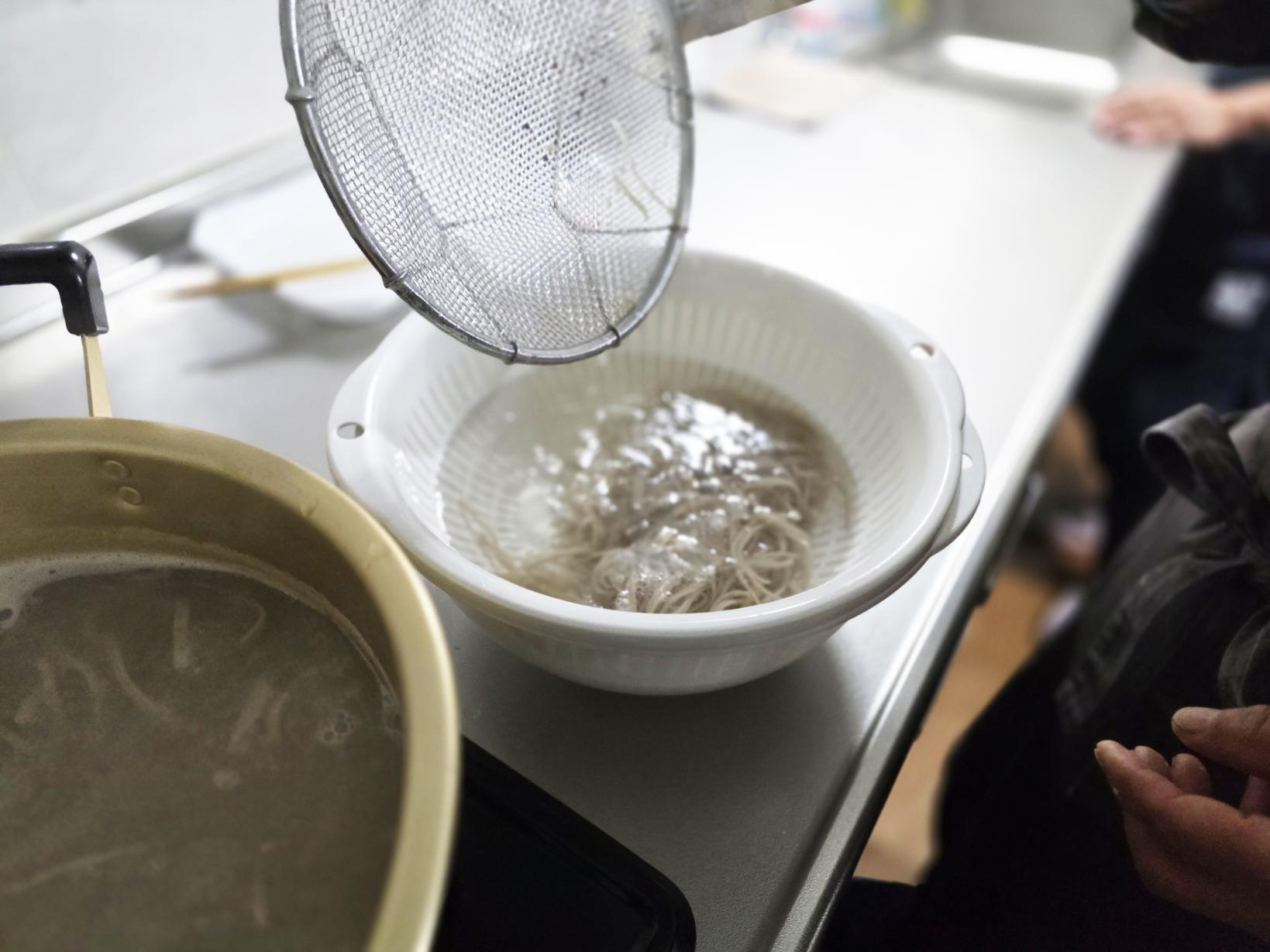
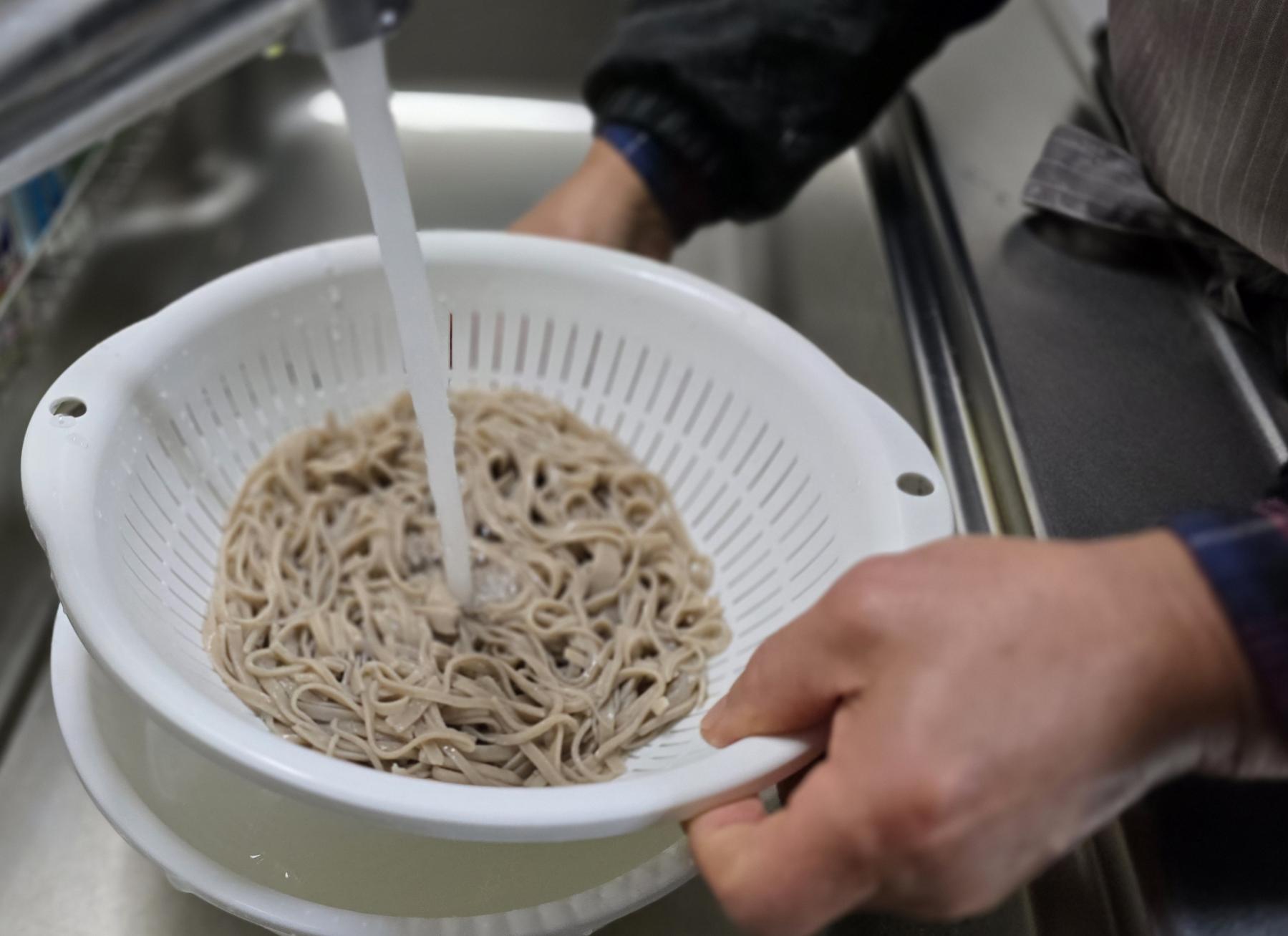
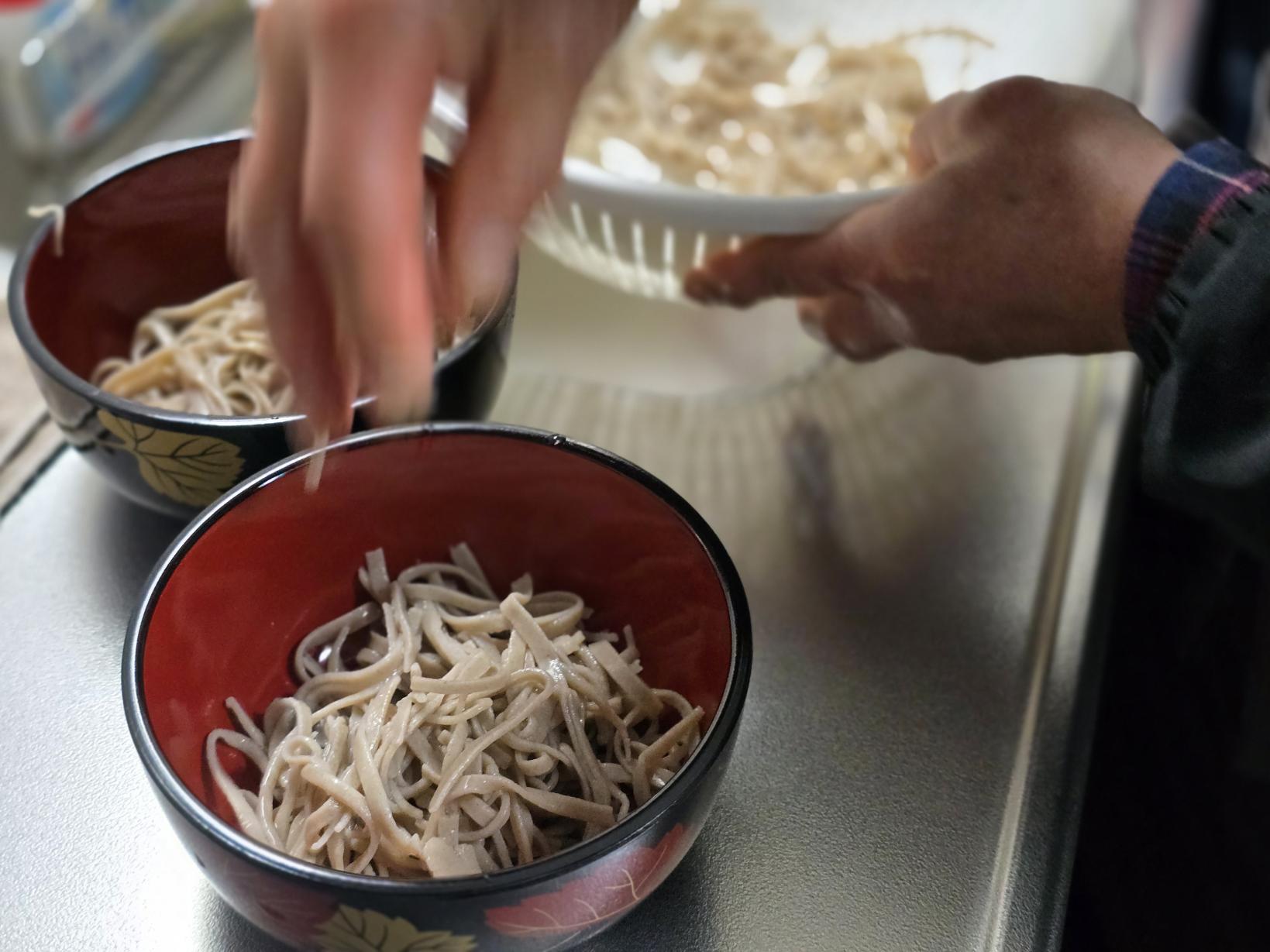
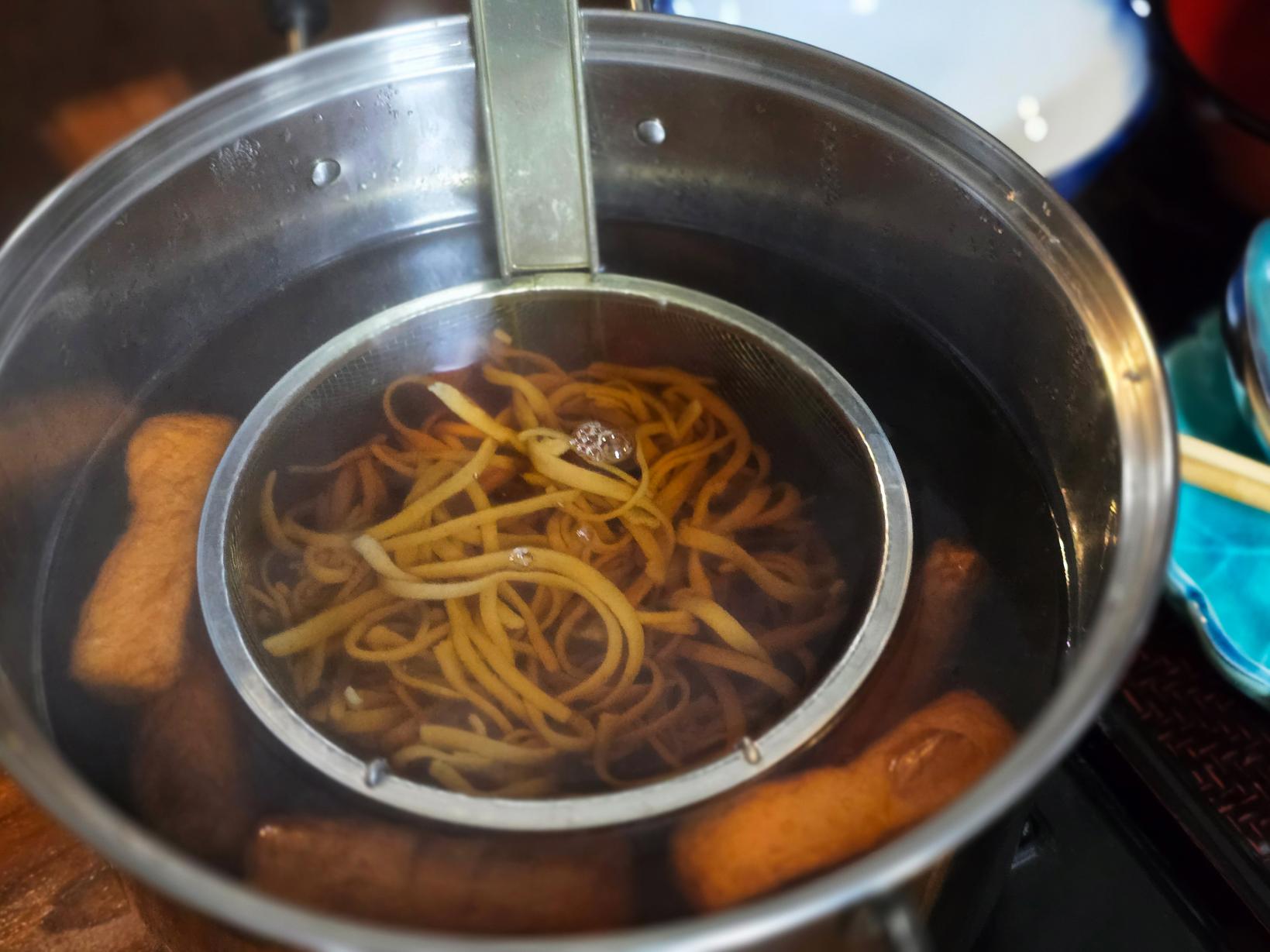
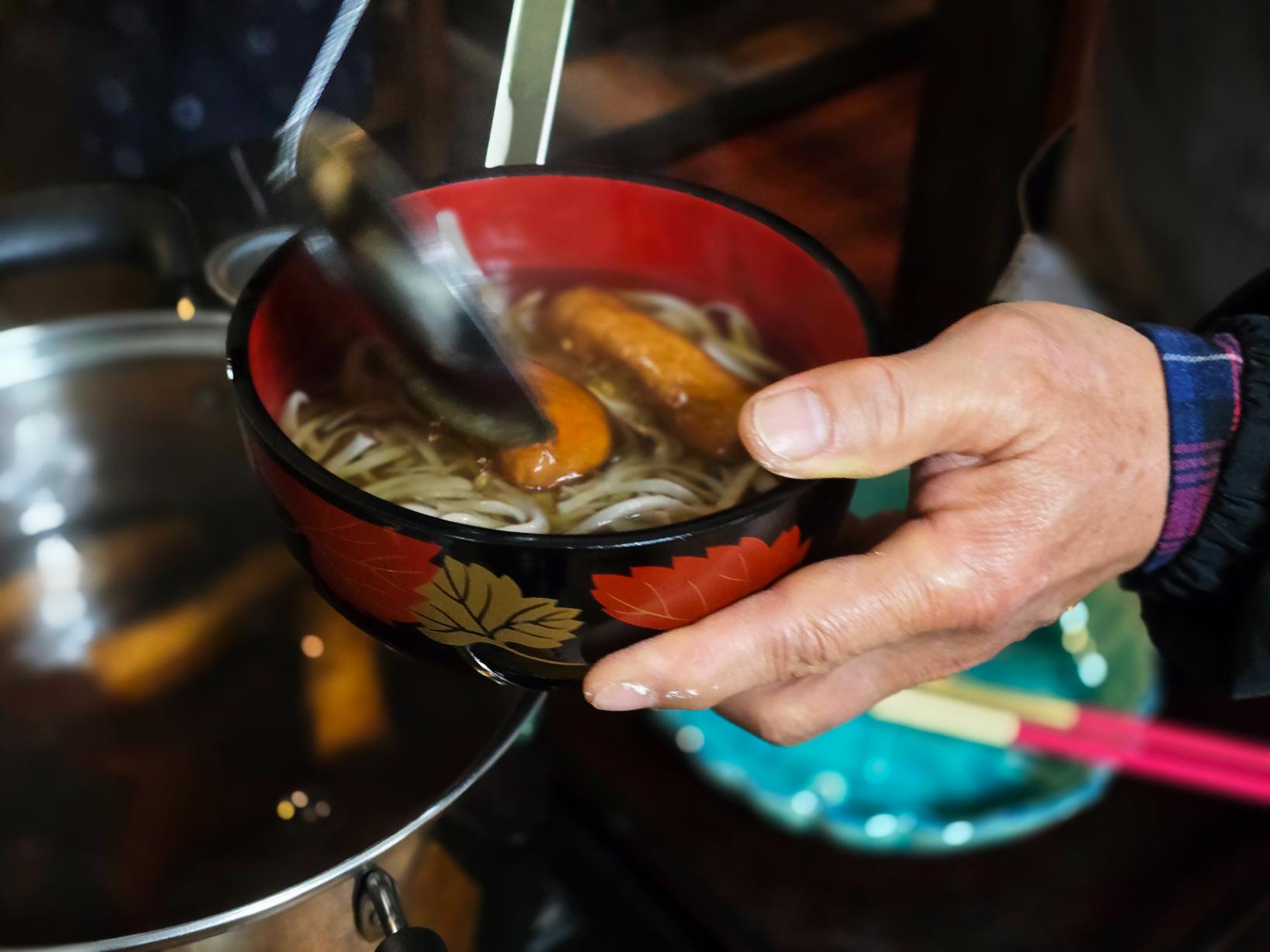
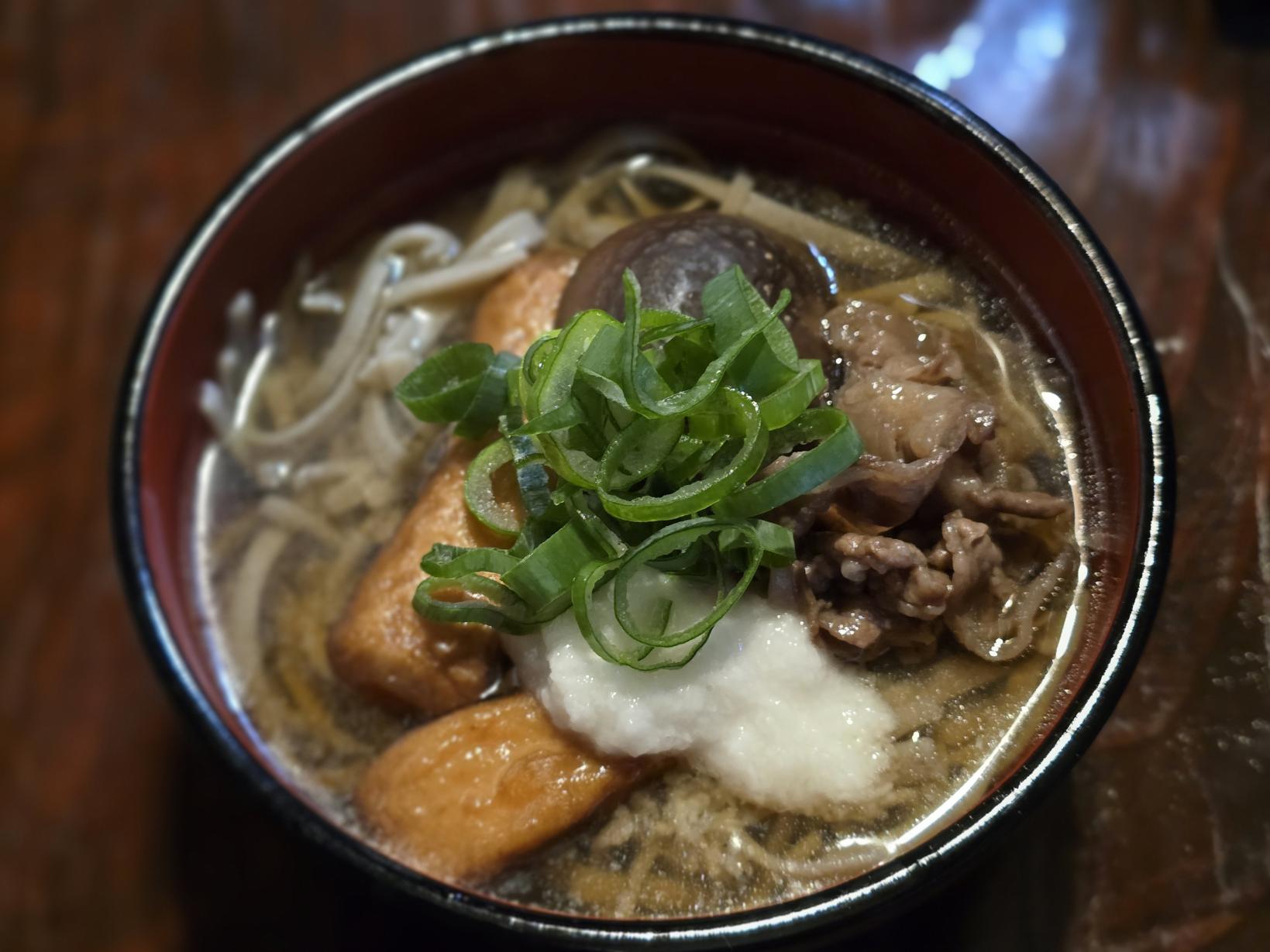
We moved to a different part of the kitchen, and lightly dropped the soba into boiling water. “It’s juwari soba, so it’s easy to cut; once it comes to the boil again, you can cook it for around a minute,” Mr. Kozuma called enthusiastically, letting me swirl it around rapidly with chopsticks. Once the noodles were cooked, we immediately rinsed them with cold water and put them in a colander—they were unevenly thick and some noodles were cut short, but that’s one of the charms unique to hand-made soba. We heated them up a little, added a soup broth, and topped them with meat and tree-grown shiitake collected from the premises: perfect.
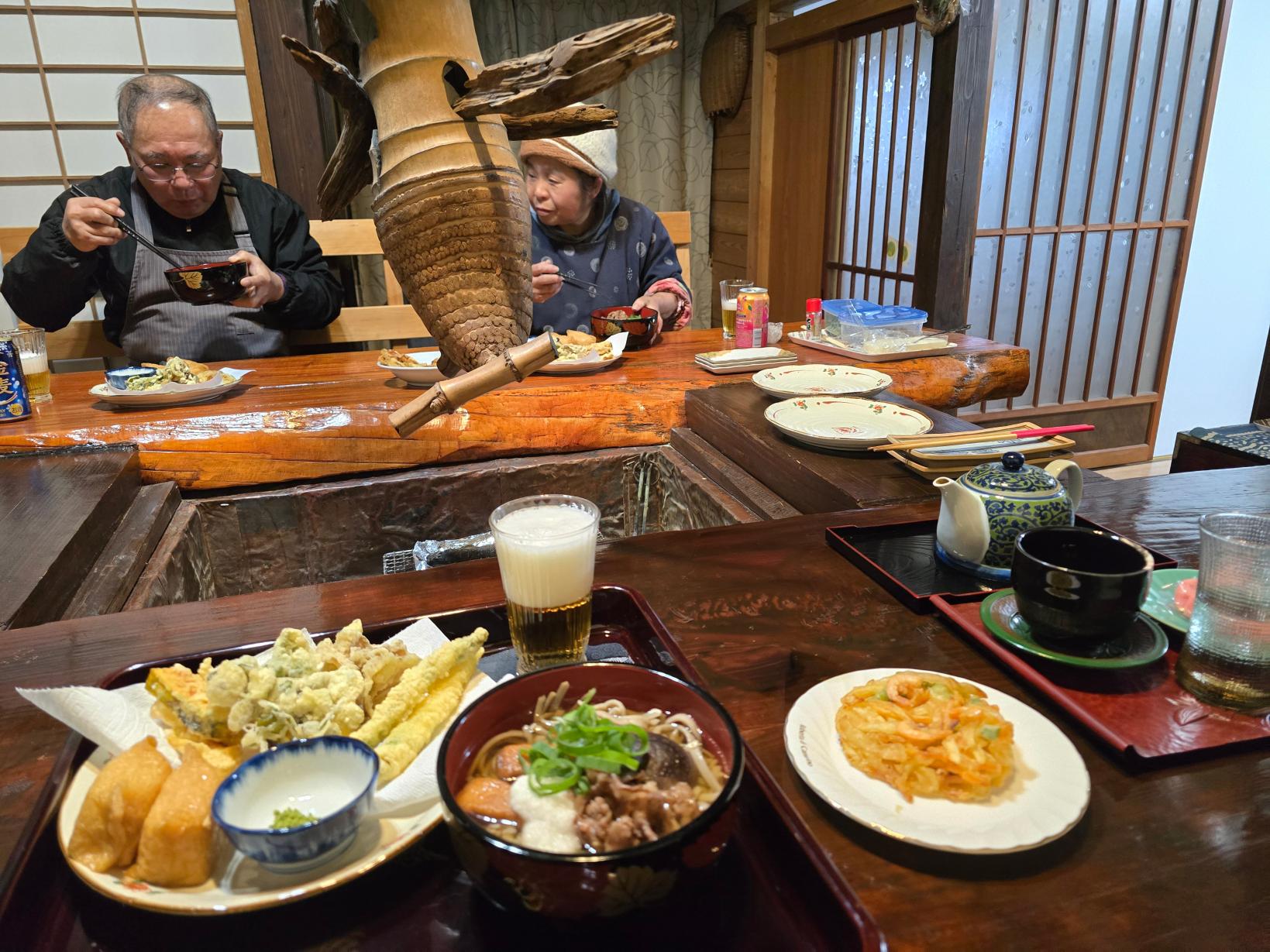
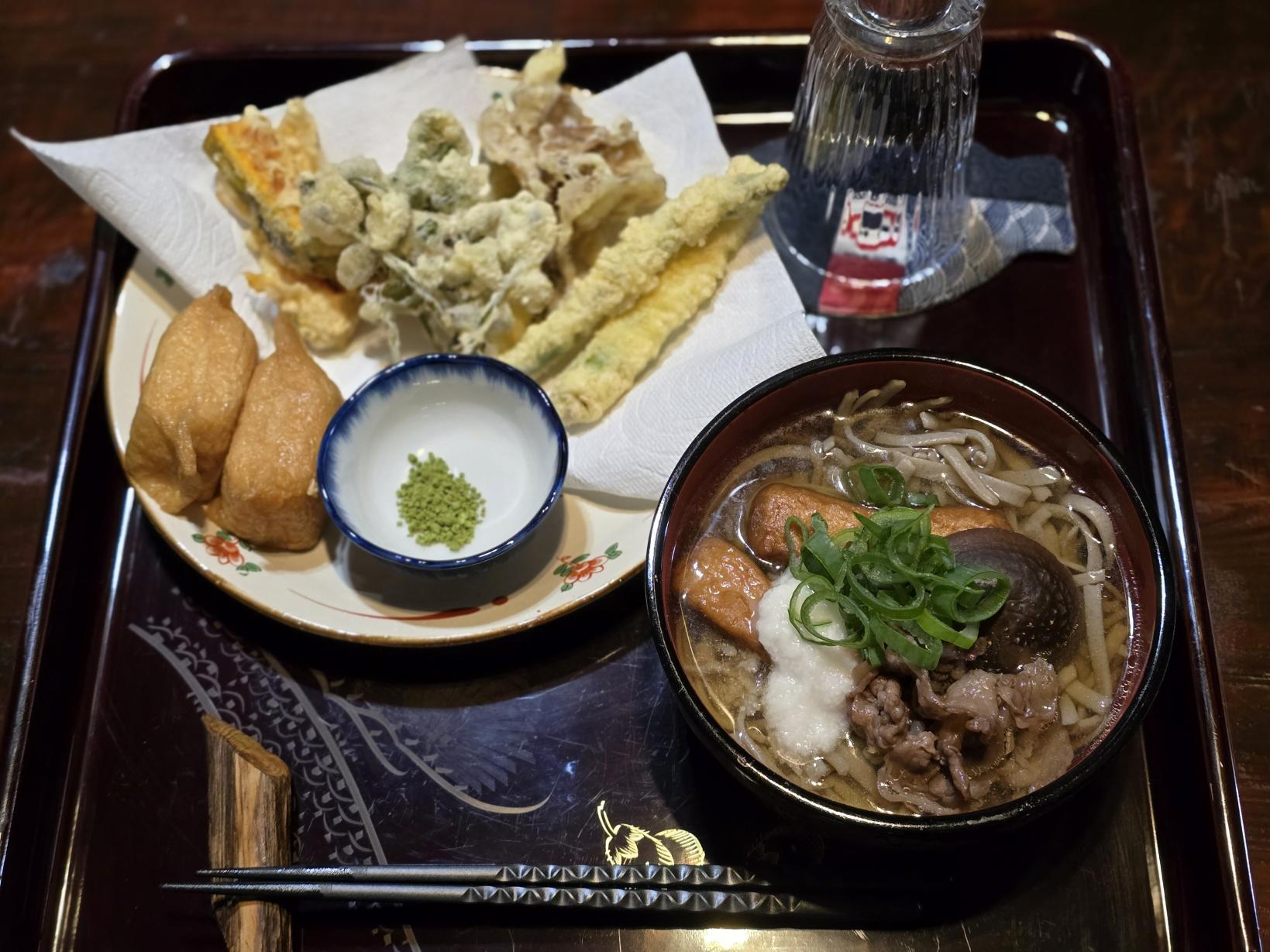
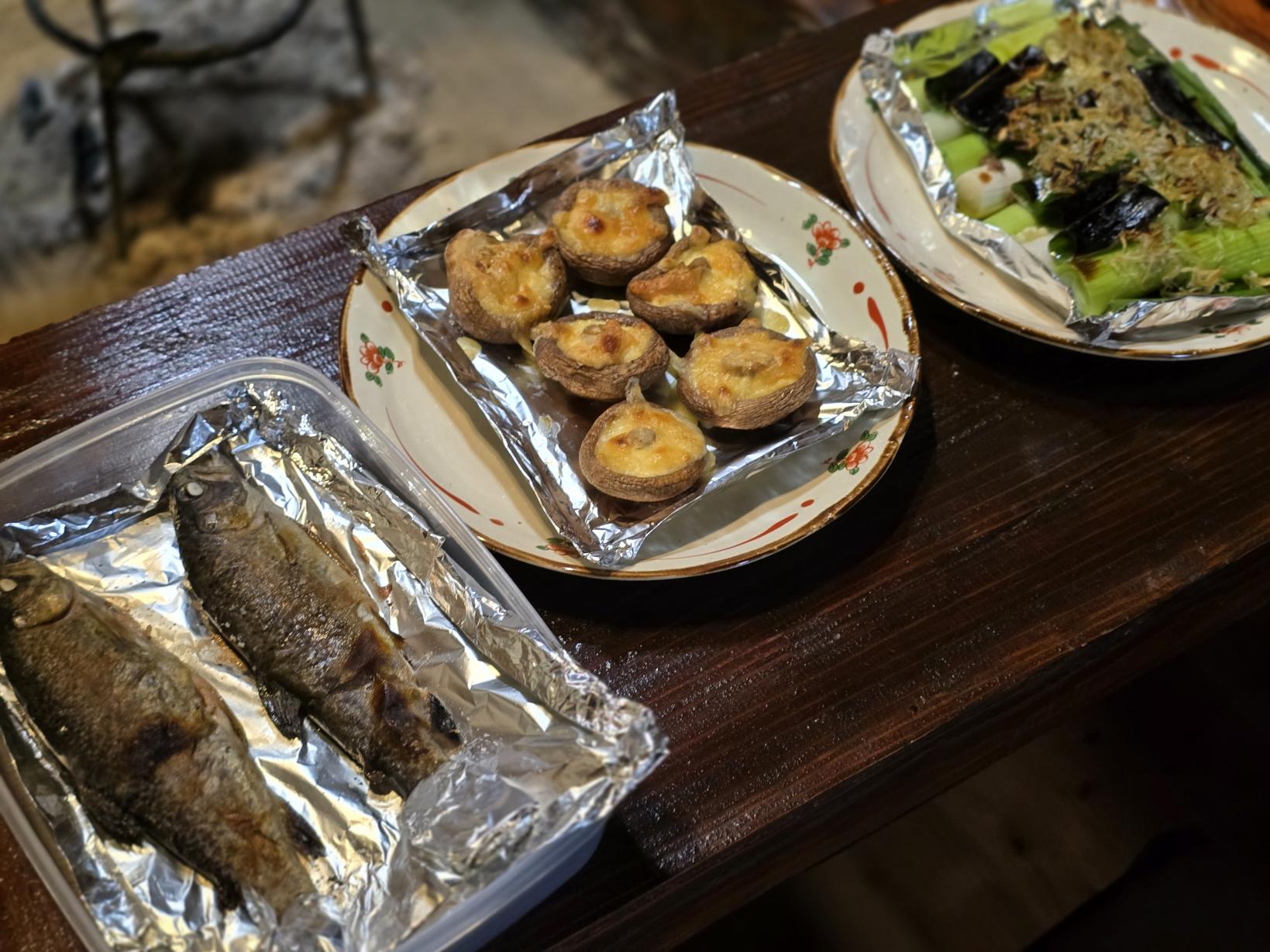
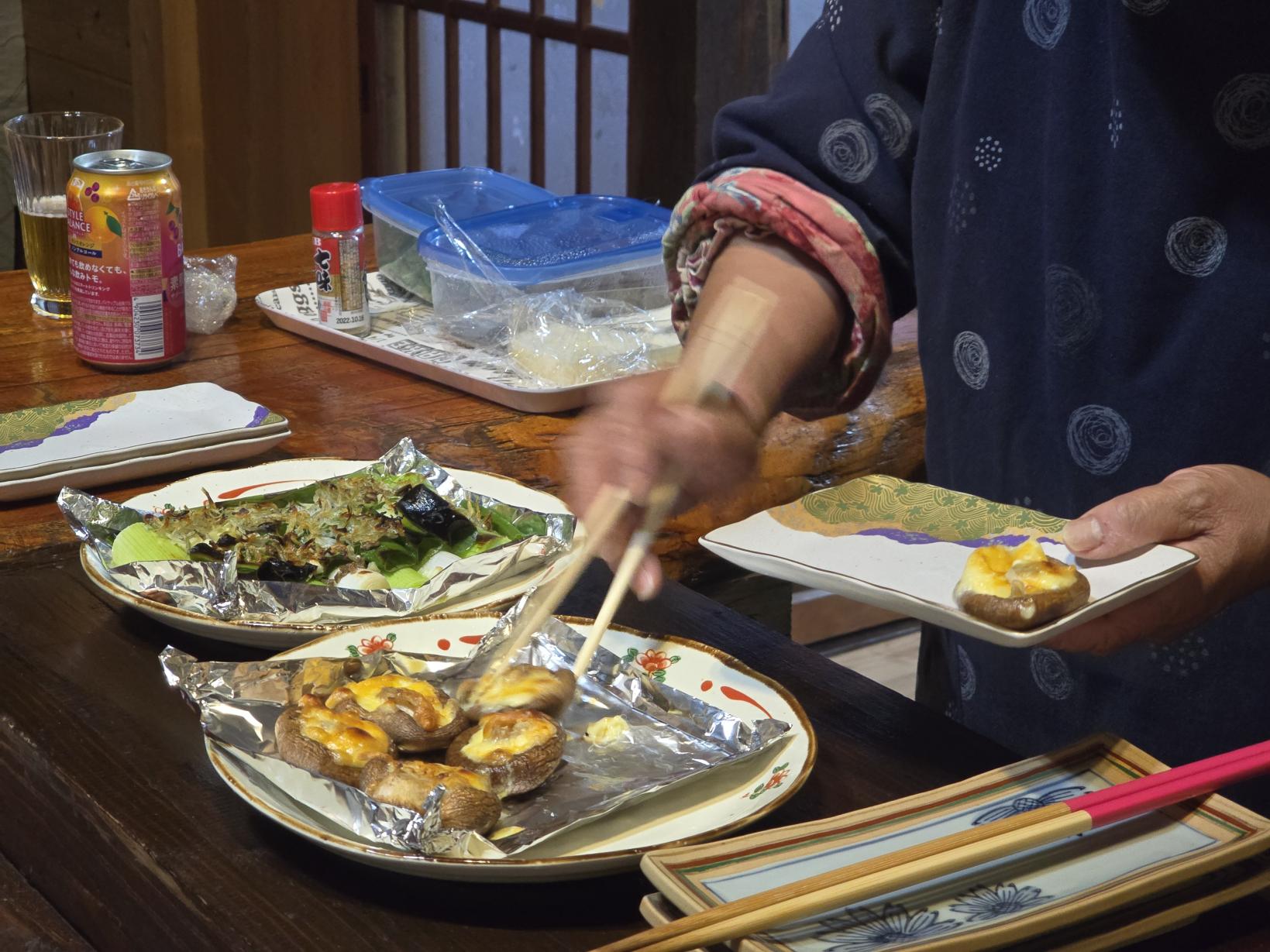
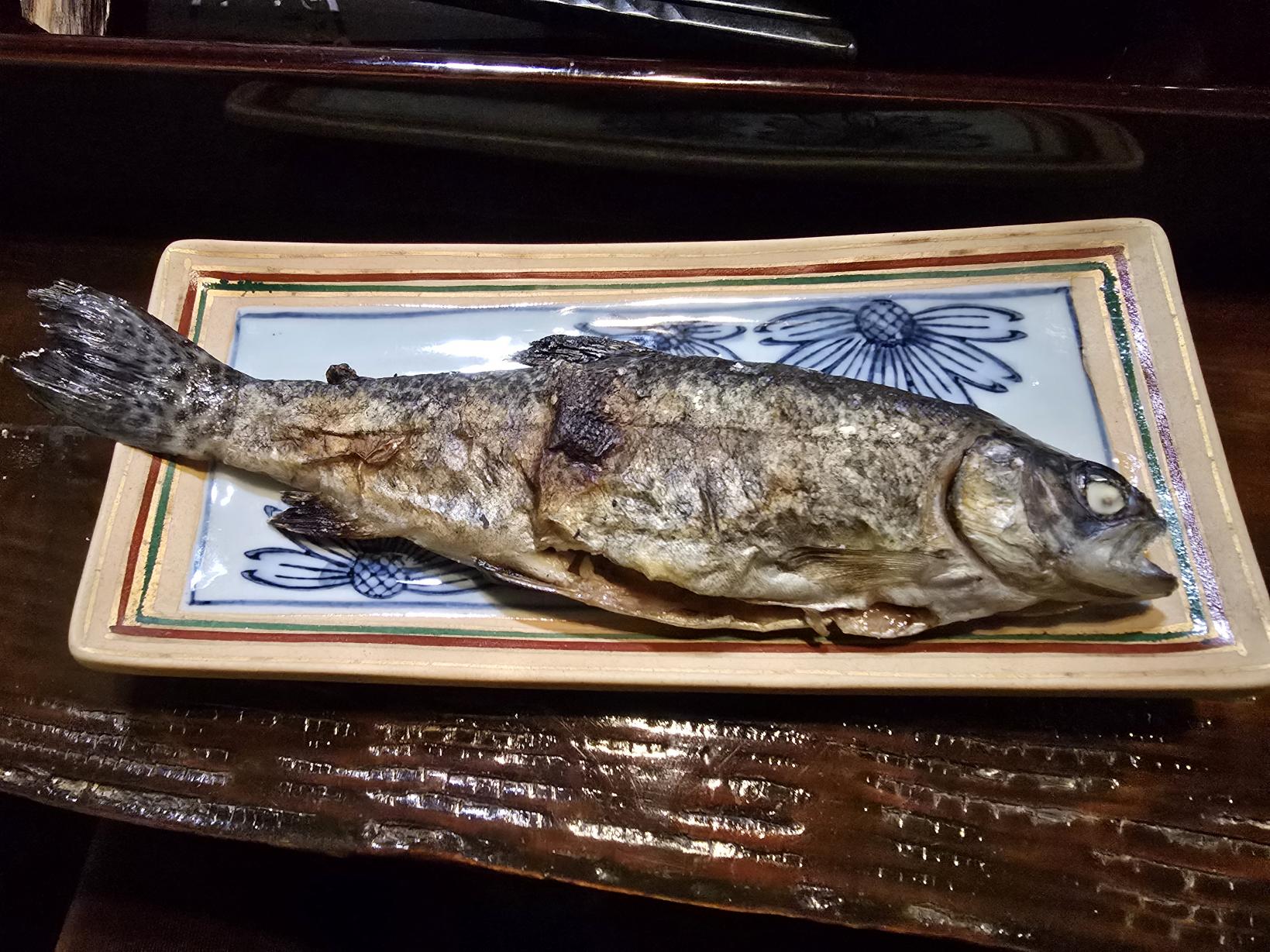
When we held the soba-making experience, everyone gathered around the irori hearth to eat the evening meal. We toasted as we cooked dishes with rainbow trout and freshly harvested vegetables over the crackling charcoal fire!
The soba noodles we had made tasted delicious with the tsuyu soup broth made with a sweeter soy sauce typical of Kyushu, and even the misshapen noodles had a pleasant texture that danced in the mouth.
The feeling of privacy offered by renting an entire house is appealing, but during the wonderful meal, I heard stories about the reclamation work from the inexhaustible Mr. and Mrs. Kozuma, and the time we spent talking will surely stay with me as a warm memory, as if I had come home to a relative’s house in the countryside.
Column
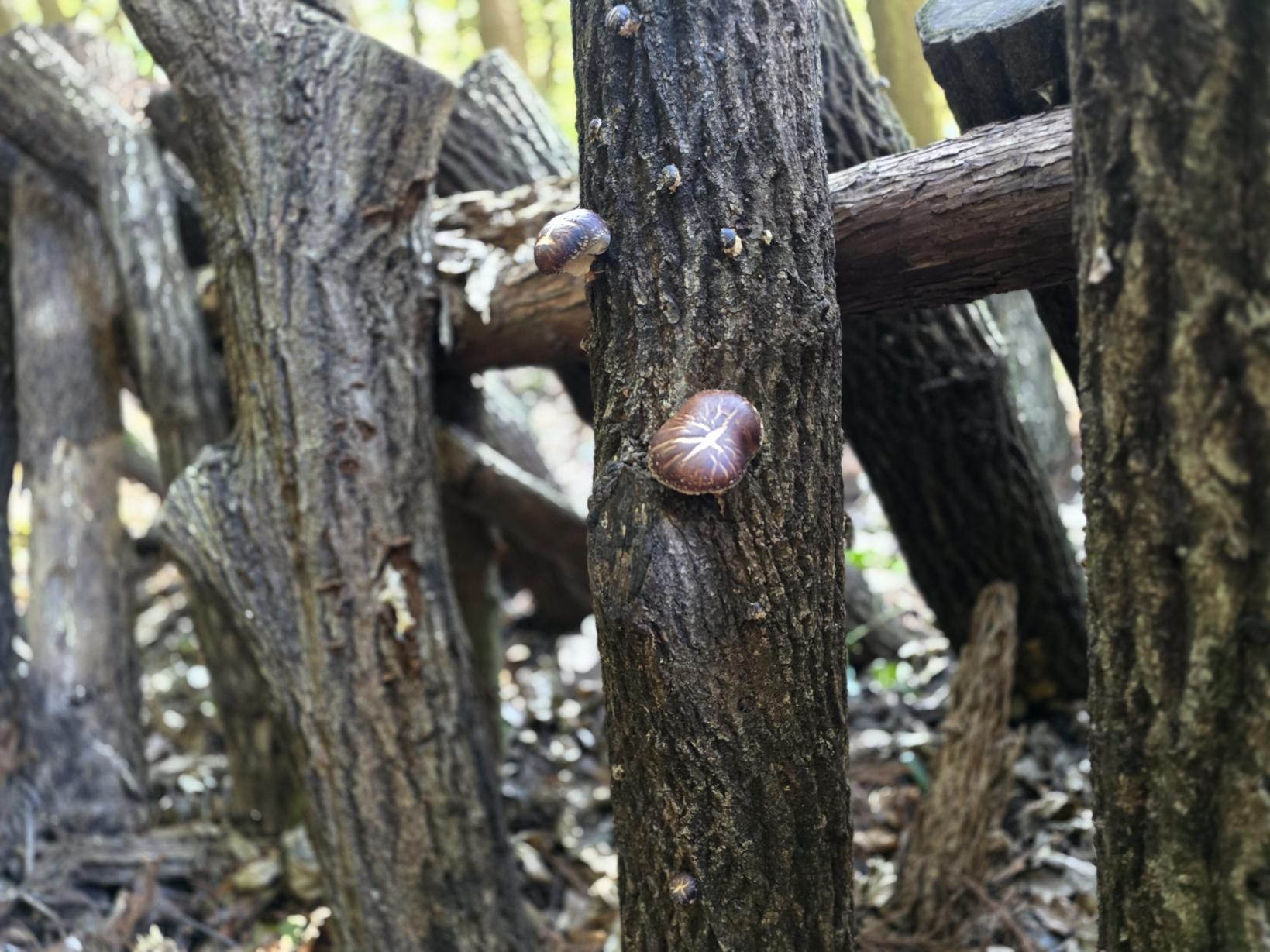
Experience gathering seasonal vegetables and shiitake
Depending on the season, you might be able to gather vegetables grown in the fields and tree-grown shiitake mushrooms for your dinner. In spring, you can have fun gathering edible wild plants from the mountains, such as warabi (a kind of fern) and angelica sprouts: from the earth to the dining table. It’s this closeness that creates the richness unique to a farm stay.
Experience gathering seasonal vegetables and shiitake
Depending on the season, you might be able to gather vegetables grown in the fields and tree-grown shiitake mushrooms for your dinner. In spring, you can have fun gathering edible wild plants from the mountains, such as warabi (a kind of fern) and angelica sprouts: from the earth to the dining table. It’s this closeness that creates the richness unique to a farm stay.
There’s also a famous local hot spring for bathing. If you like saunas, there’s the “handmade sauna hut” with a firewood stove
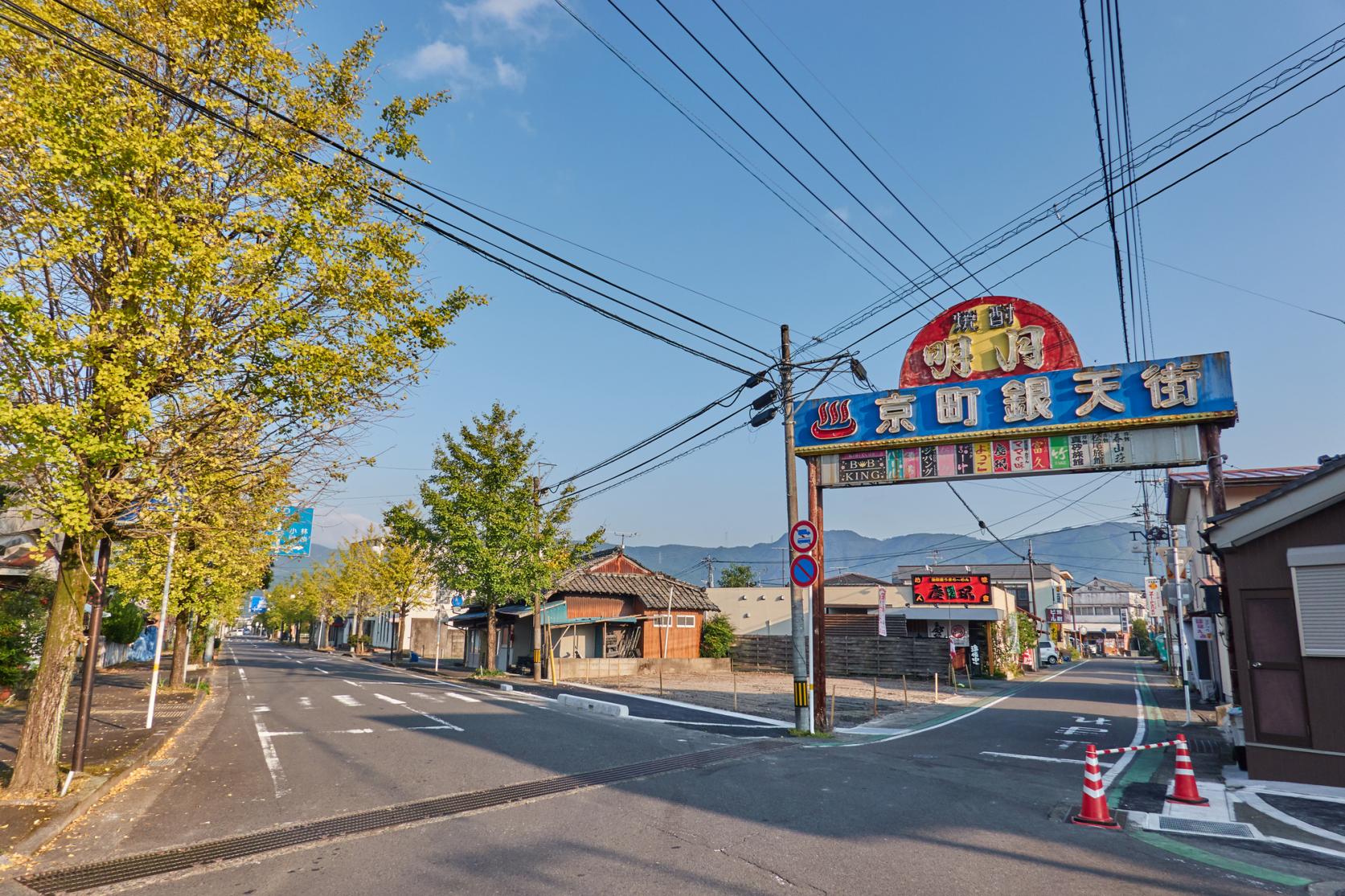
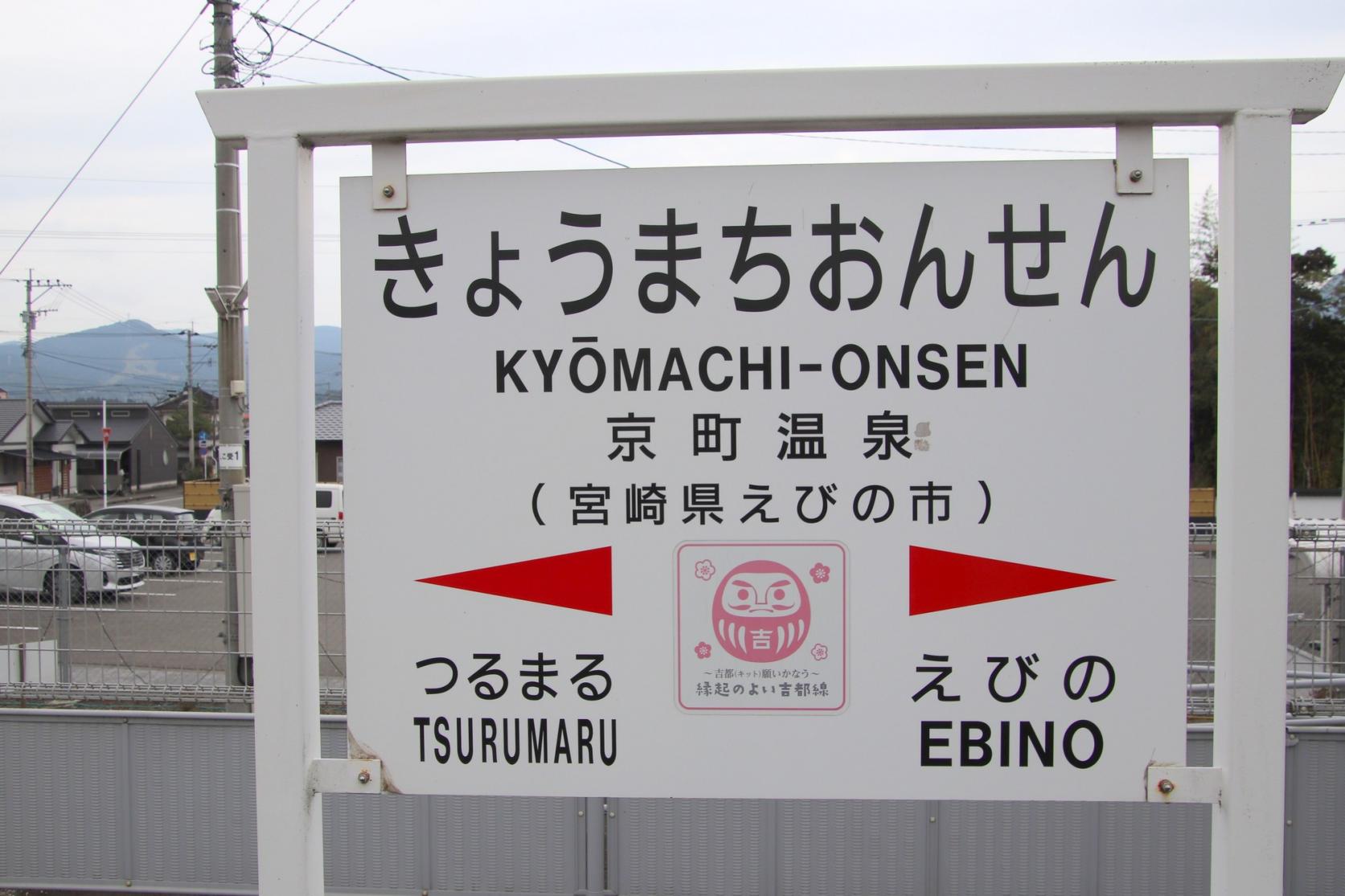
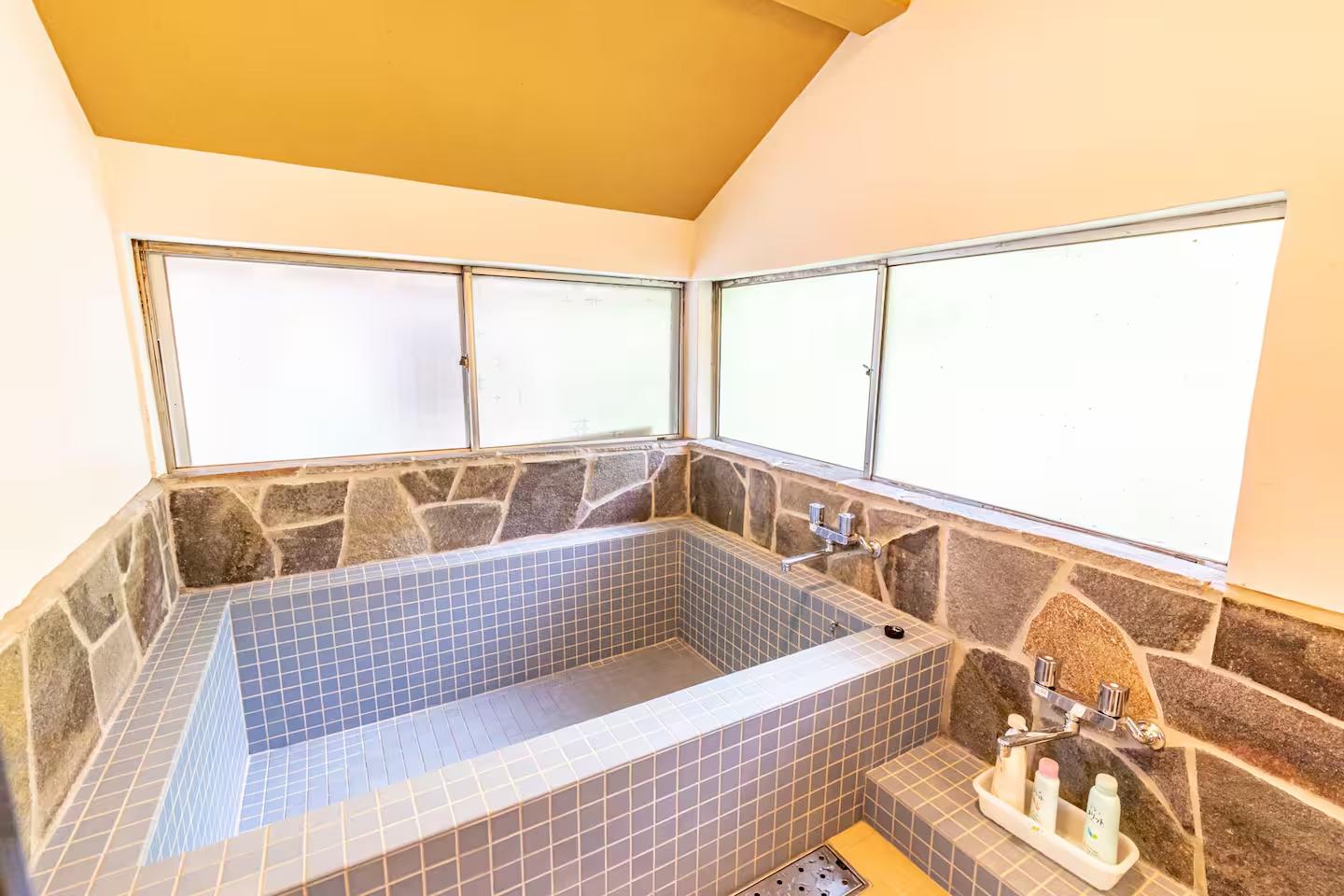
There’s a large bathtub in the old farmhouse, but if you drive around 10 minutes from Kokokyan, you’ll reach Kyomachi Onsen, which retains the charm of an old hot spring town. If you visit here, make sure you go that little bit further to these hot springs.
Being able to receive recommendations to suit your wishes, whether that’s a public bathhouse used by the local people or day-trip bathing in an elegant hot-spring inn, is a good thing for a traveler with no local knowledge. Soaking in hot springs unique to this area is one of the joys of a farm stay.
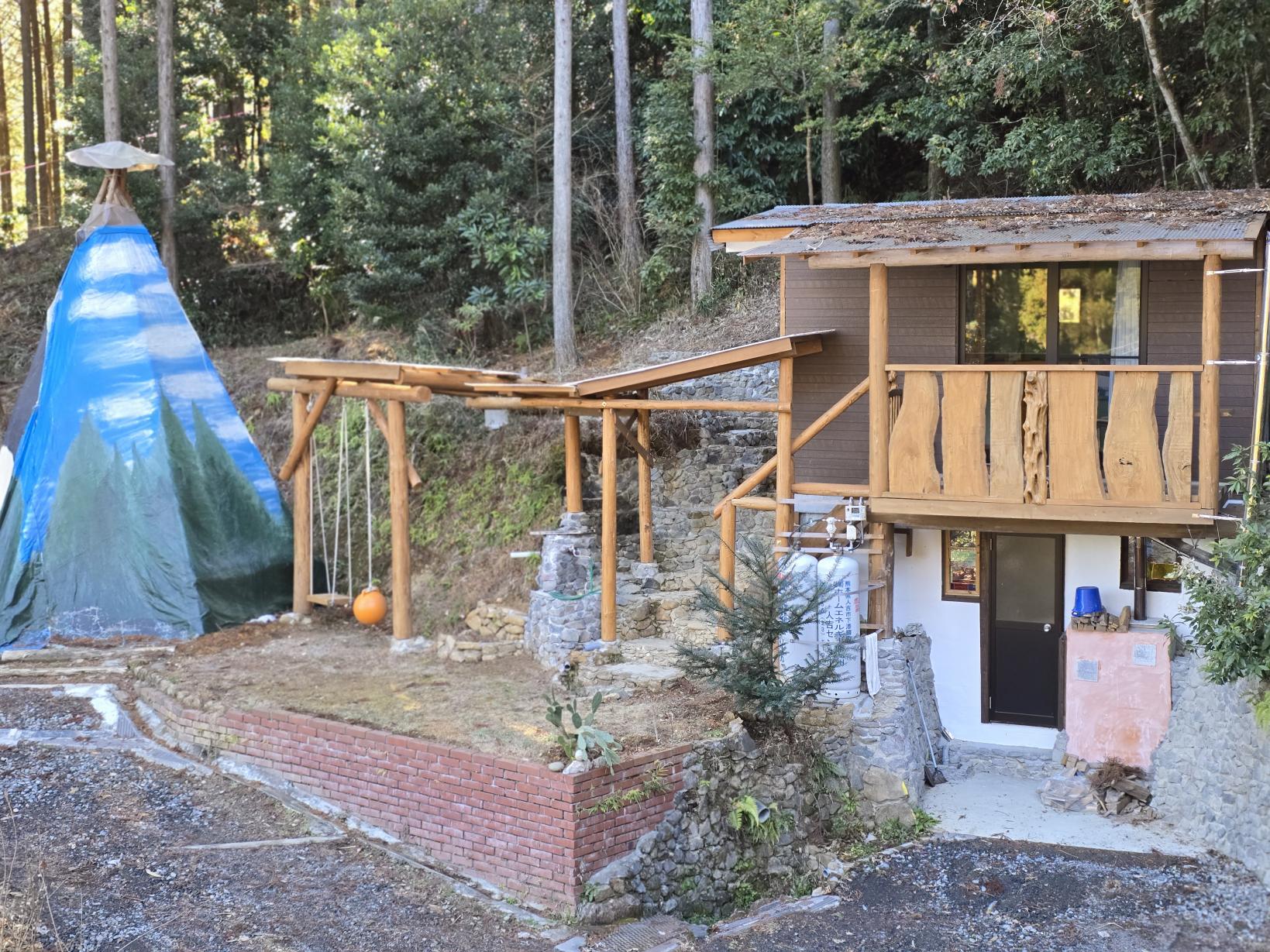
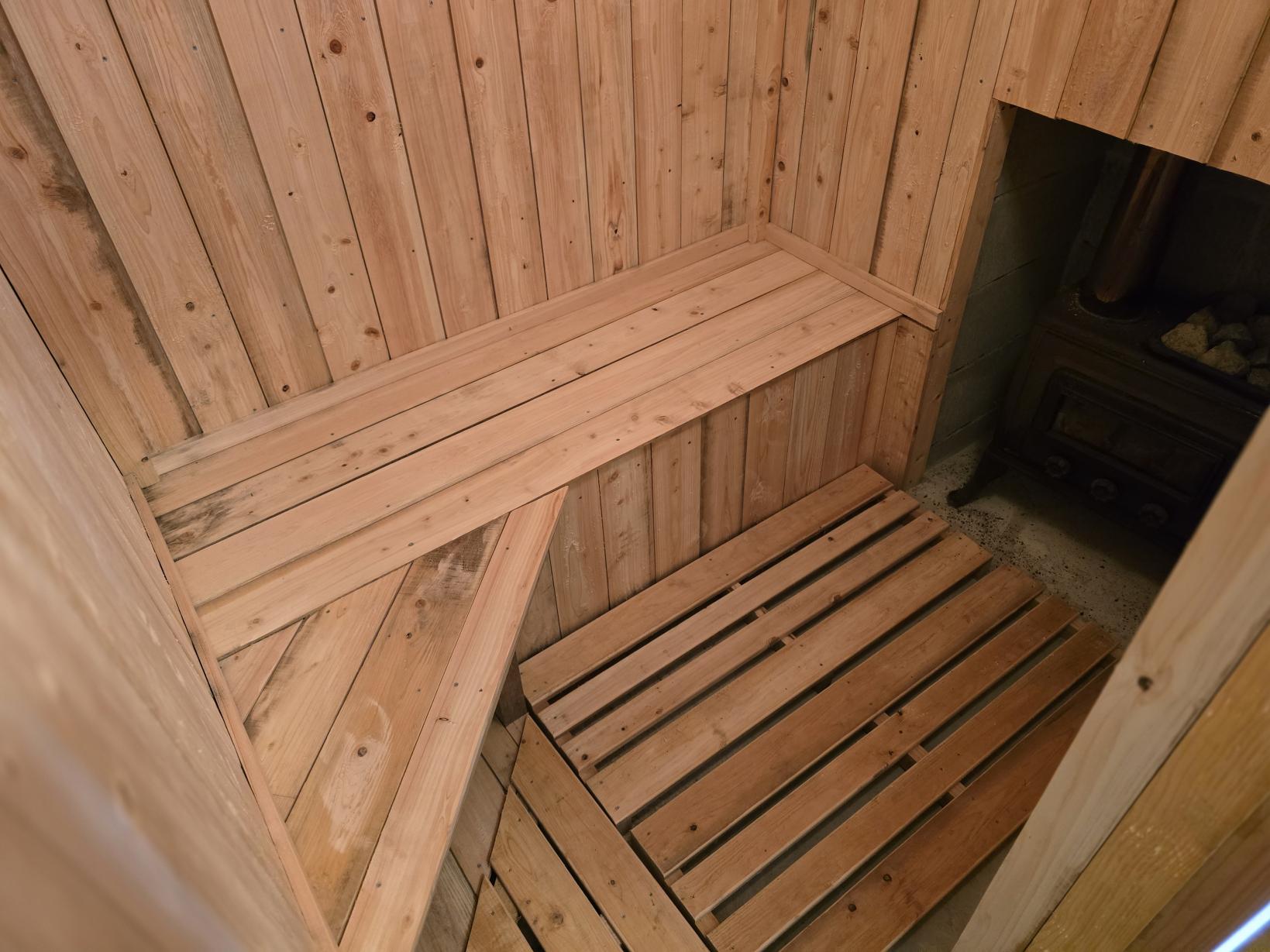
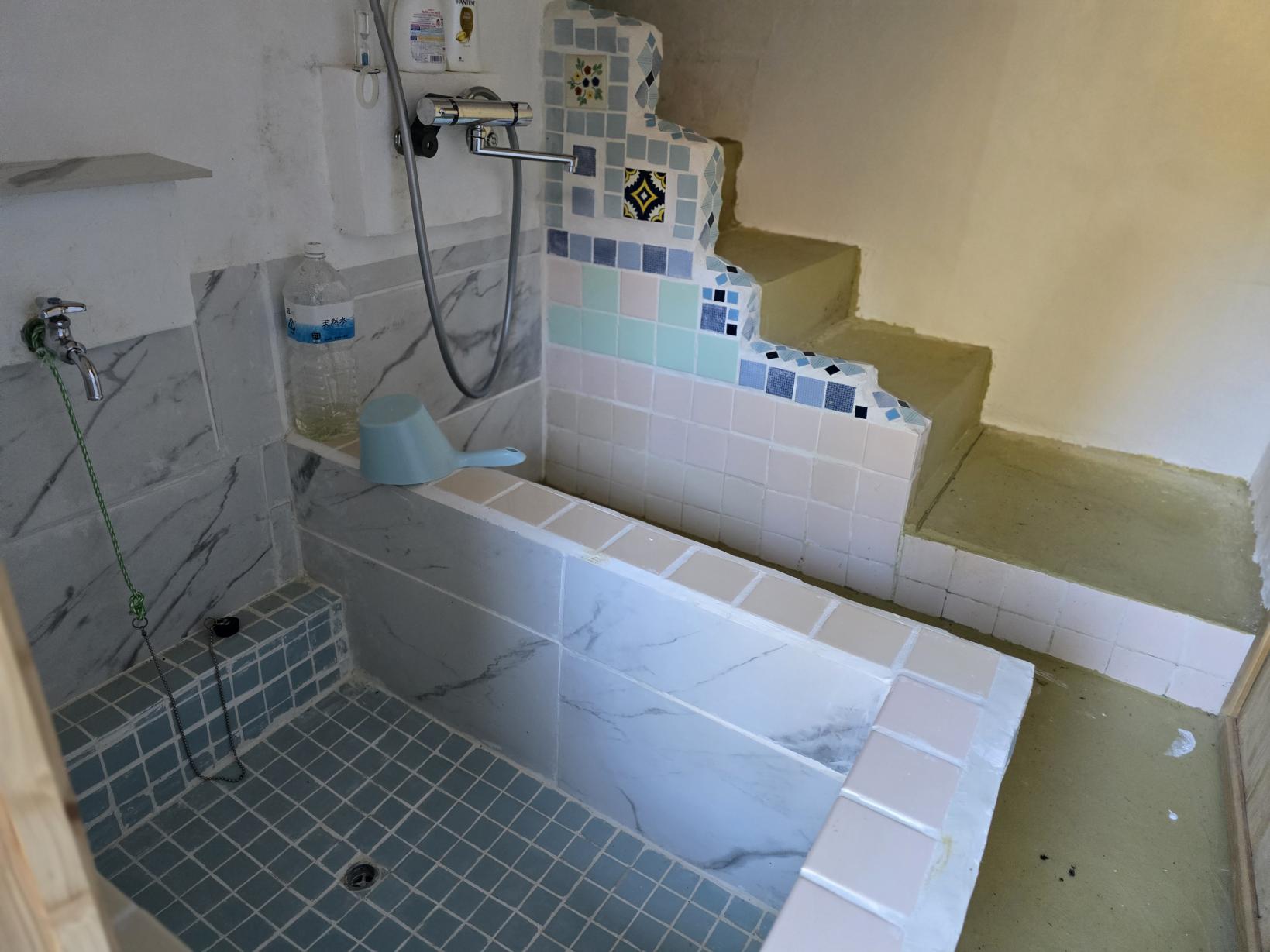
On the premises of Koko Kyan, there’s also a sauna hut, reminiscent of a secret base. It’s a two-story log-house structure, and this was also hand-built by Mr. Kozuma: “I dug into the mountain slope—it took a year to make.” It’s a do-it-yourself style sauna: light the firewood stove and wait patiently for the temperature to rise (if you want to use it, you’ll need to allow time for discussions and preparation). Sweat it out as you listen to the crackling sound of the burning wood in the quietness of the mountains. Being able to enjoy such a wild “revitalizing experience” is also one of the charms unique to Kokokyan, filled with a playful spirit.
It’s not cold, even though it’s an old farmhouse: a warm night with a firewood stove
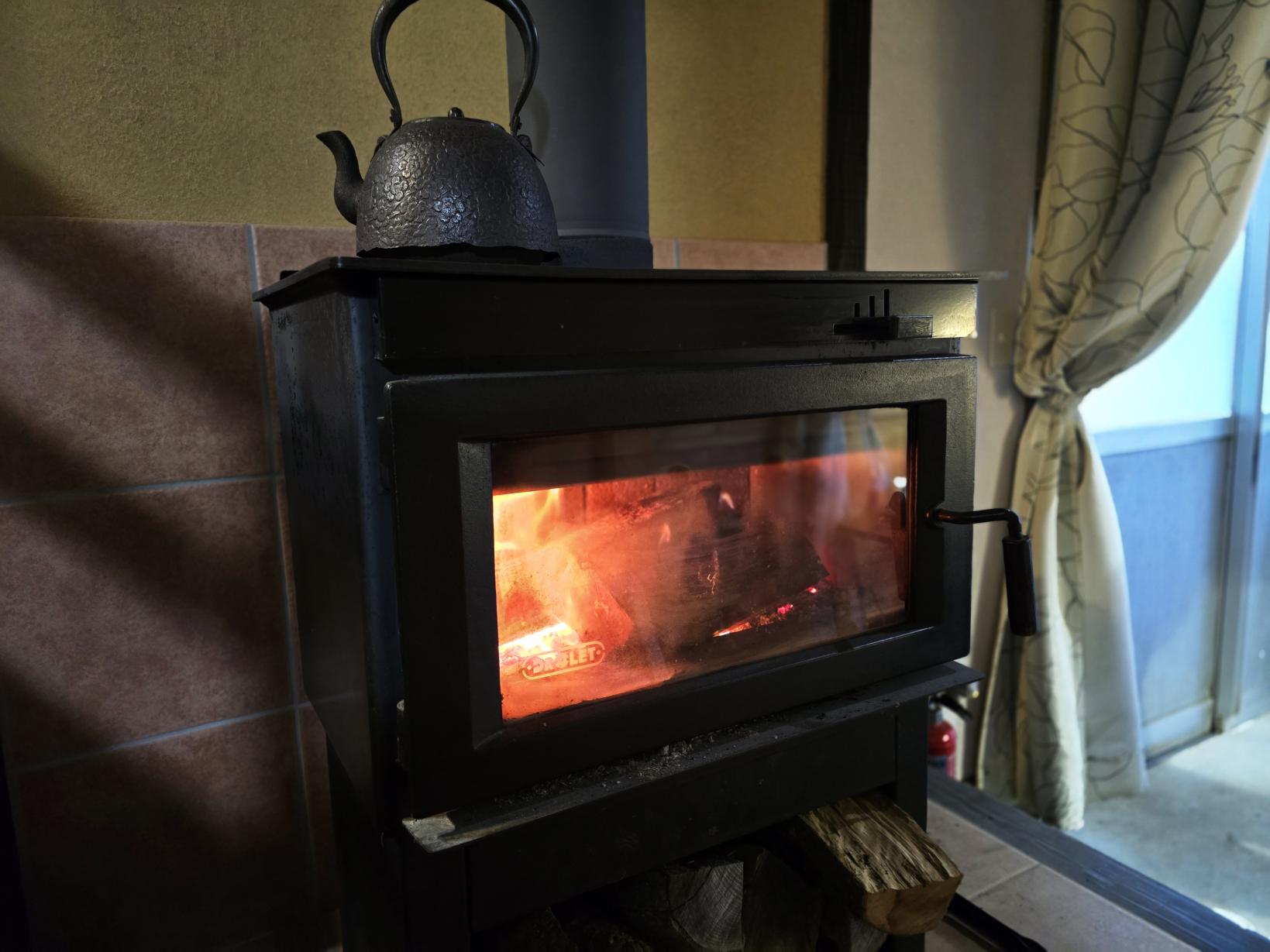
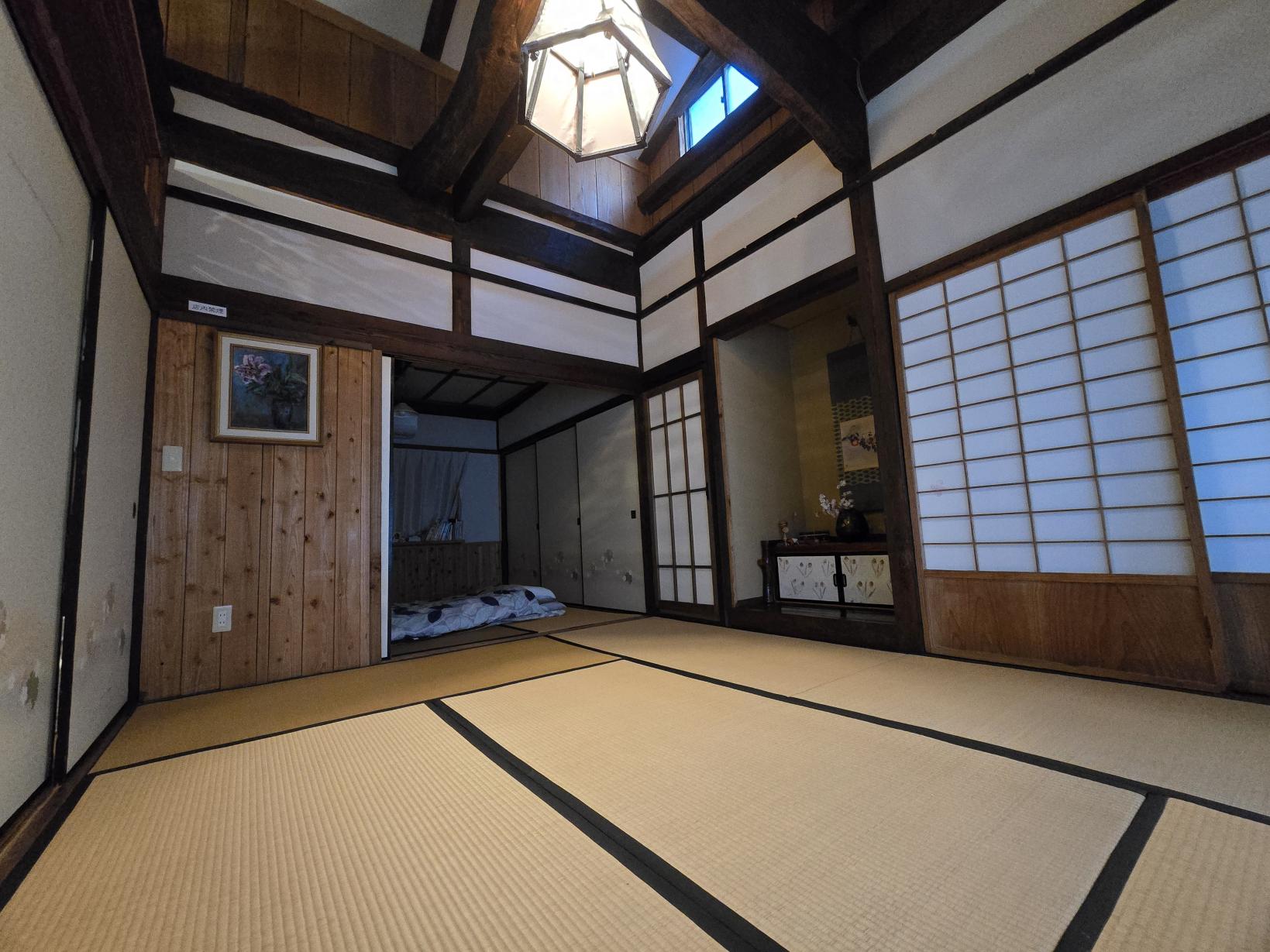
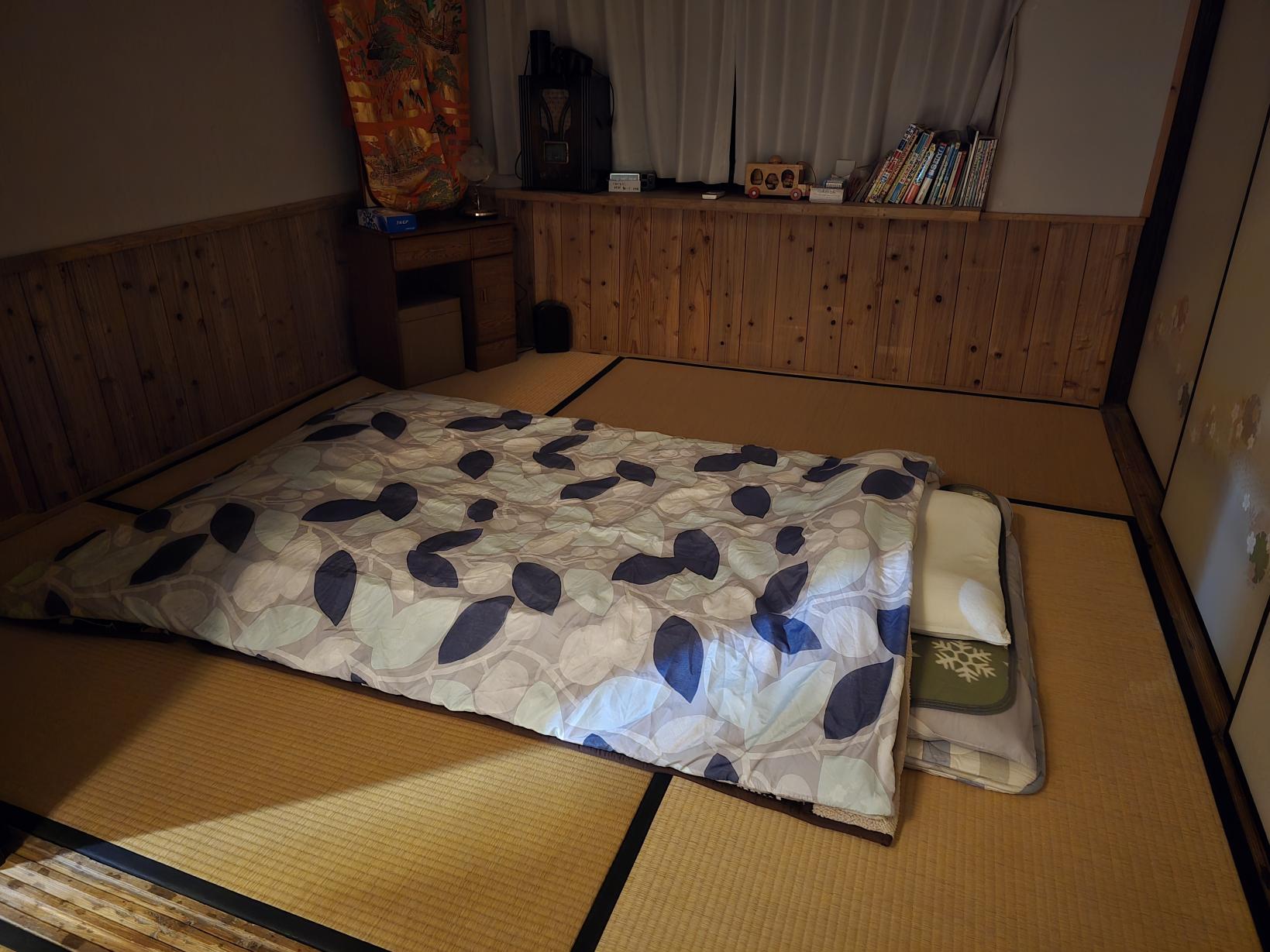
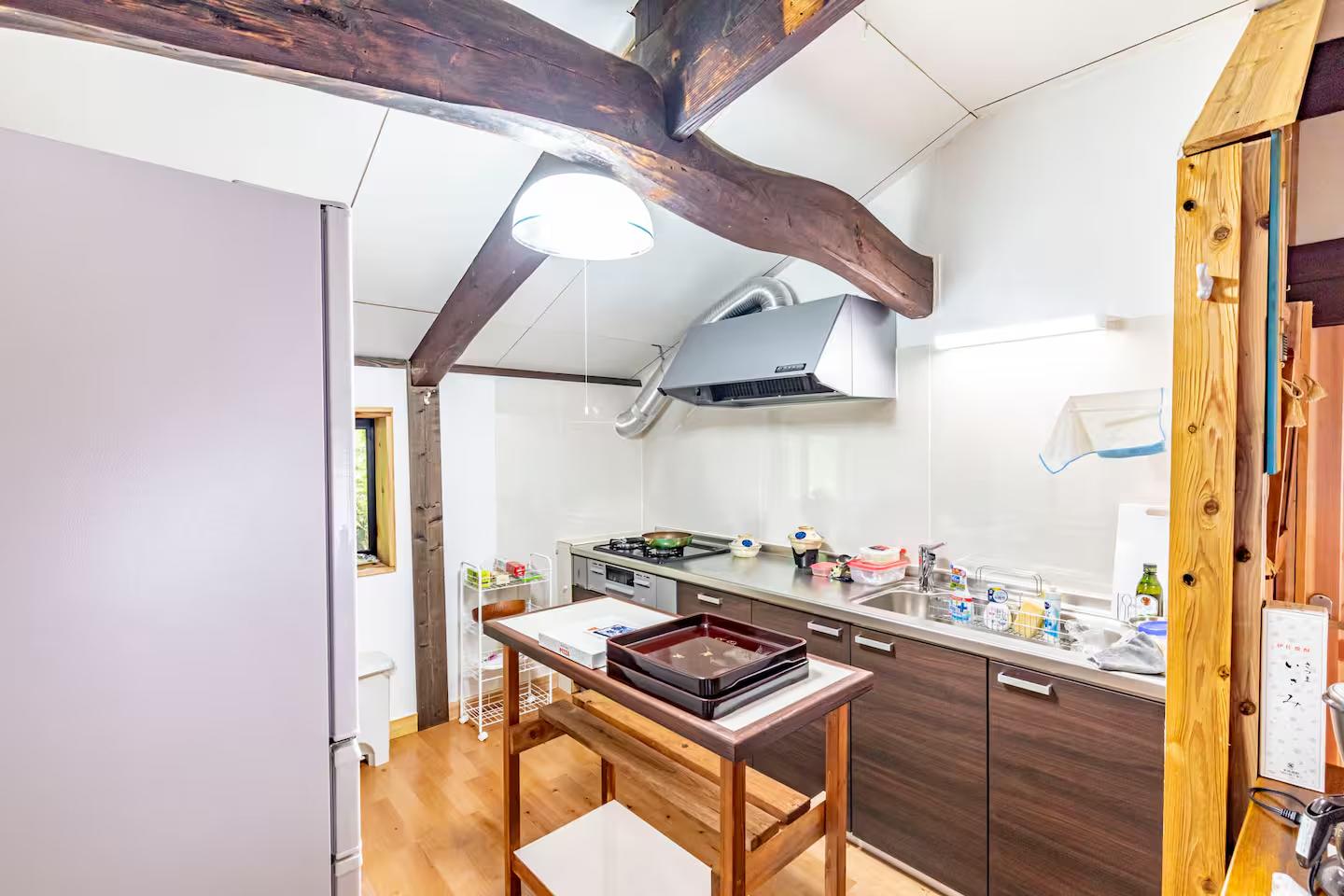
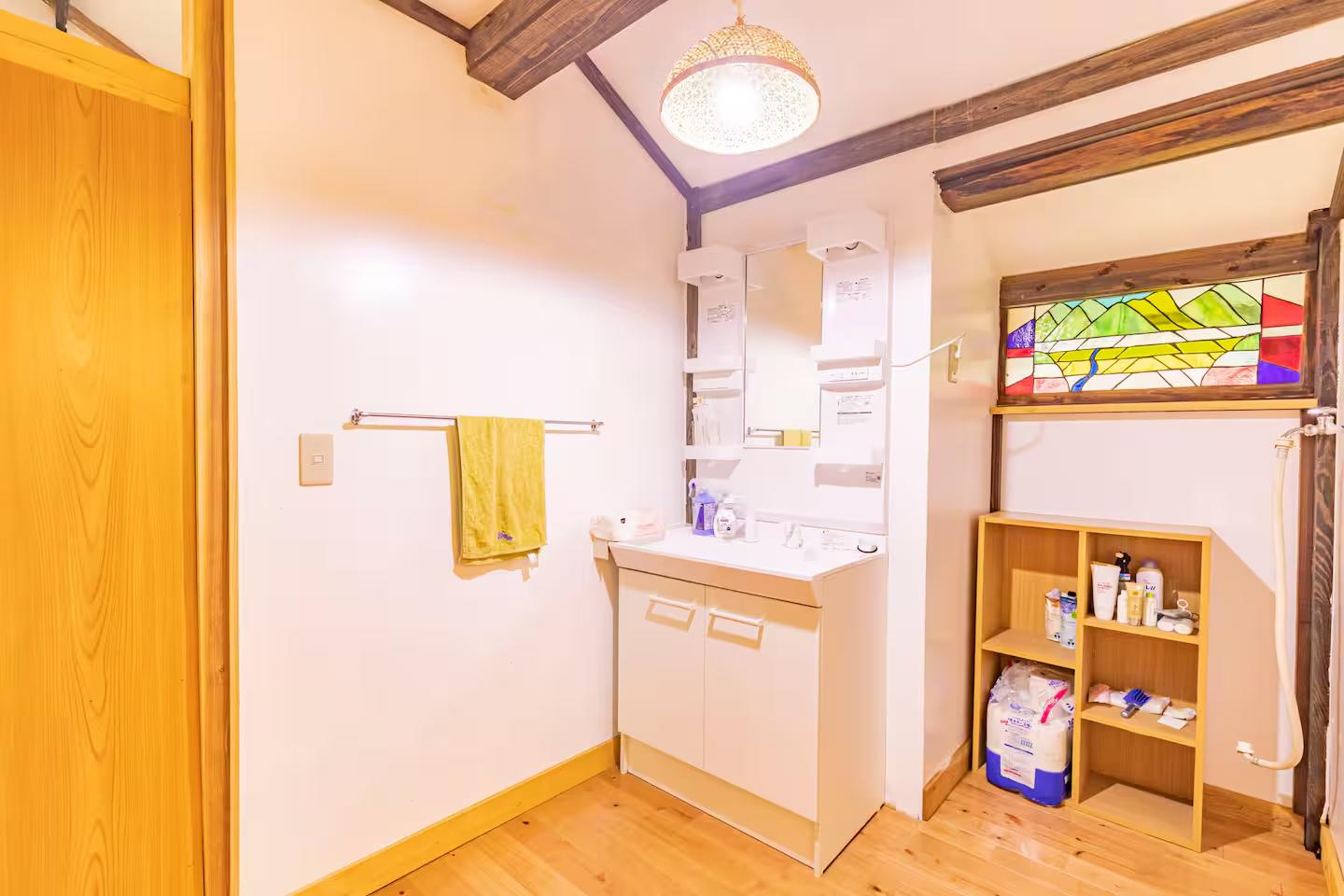
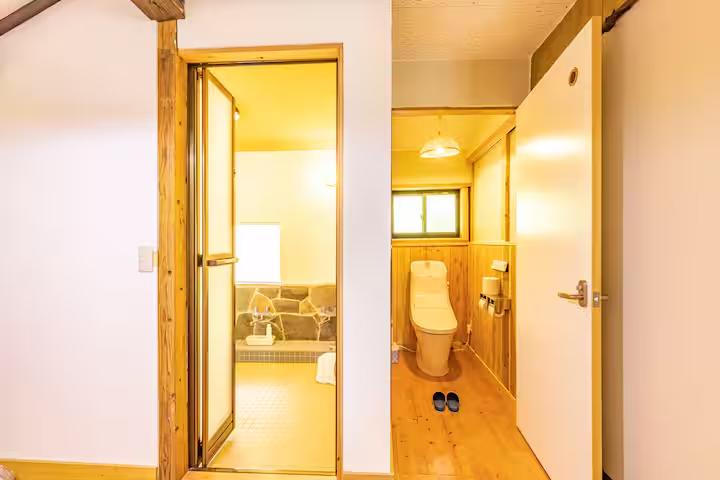
A genuine firewood stove made its presence felt in the room. “This is the best way to warm it,” said Mr. Kozuma, giving his seal of approval. Just as he said, heat that relaxed me to the core, which would not be possible with just air conditioning, filled the whole room. As the owners had lit the fire to suit my arrival time, it was warm the moment I checked in. There was also a heated carpet underfoot and the room was fully equipped with air conditioning, ensuring proper modern comforts.
Savor a healthy “Japanese breakfast” in a cafe with superb views
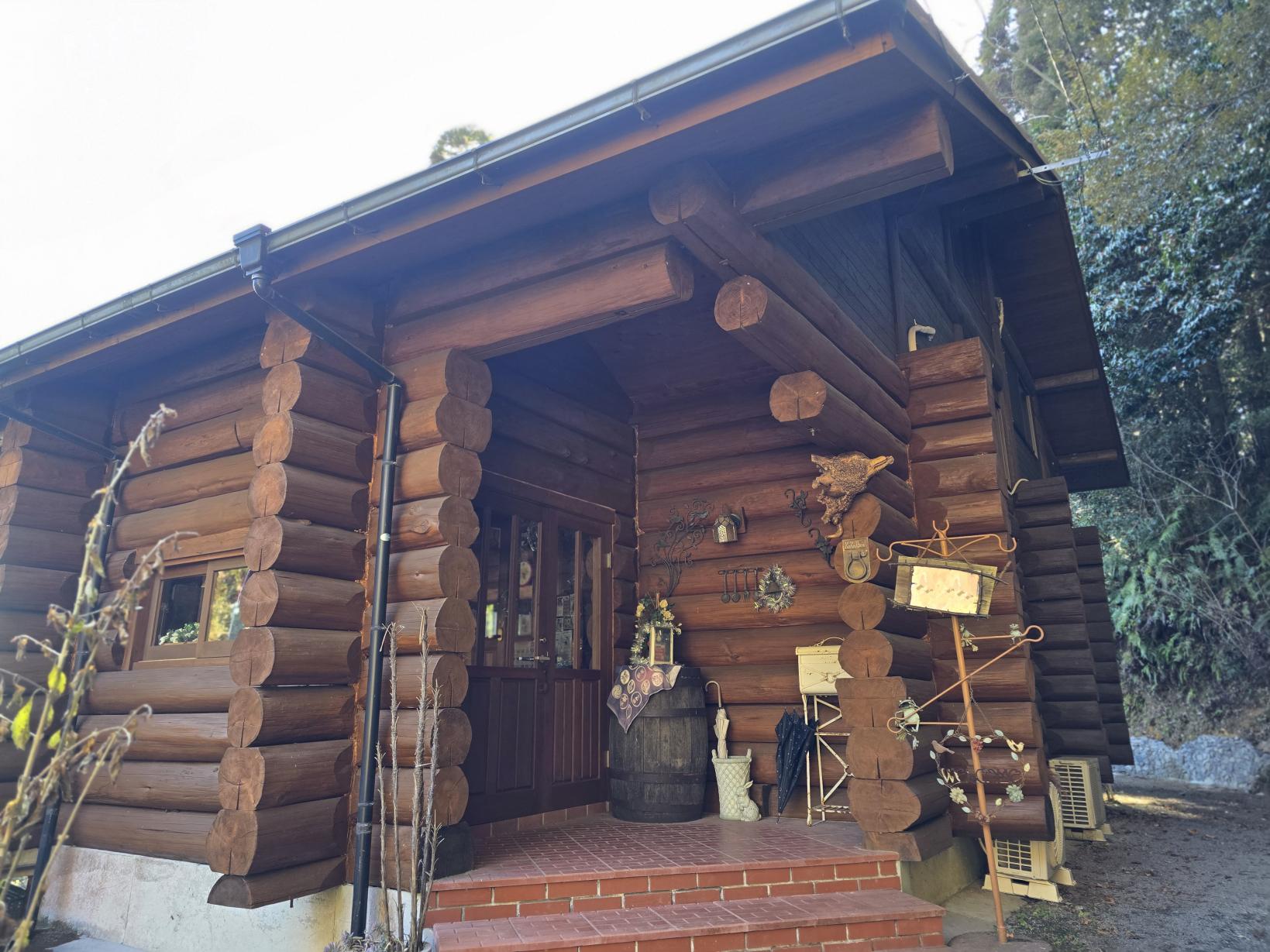
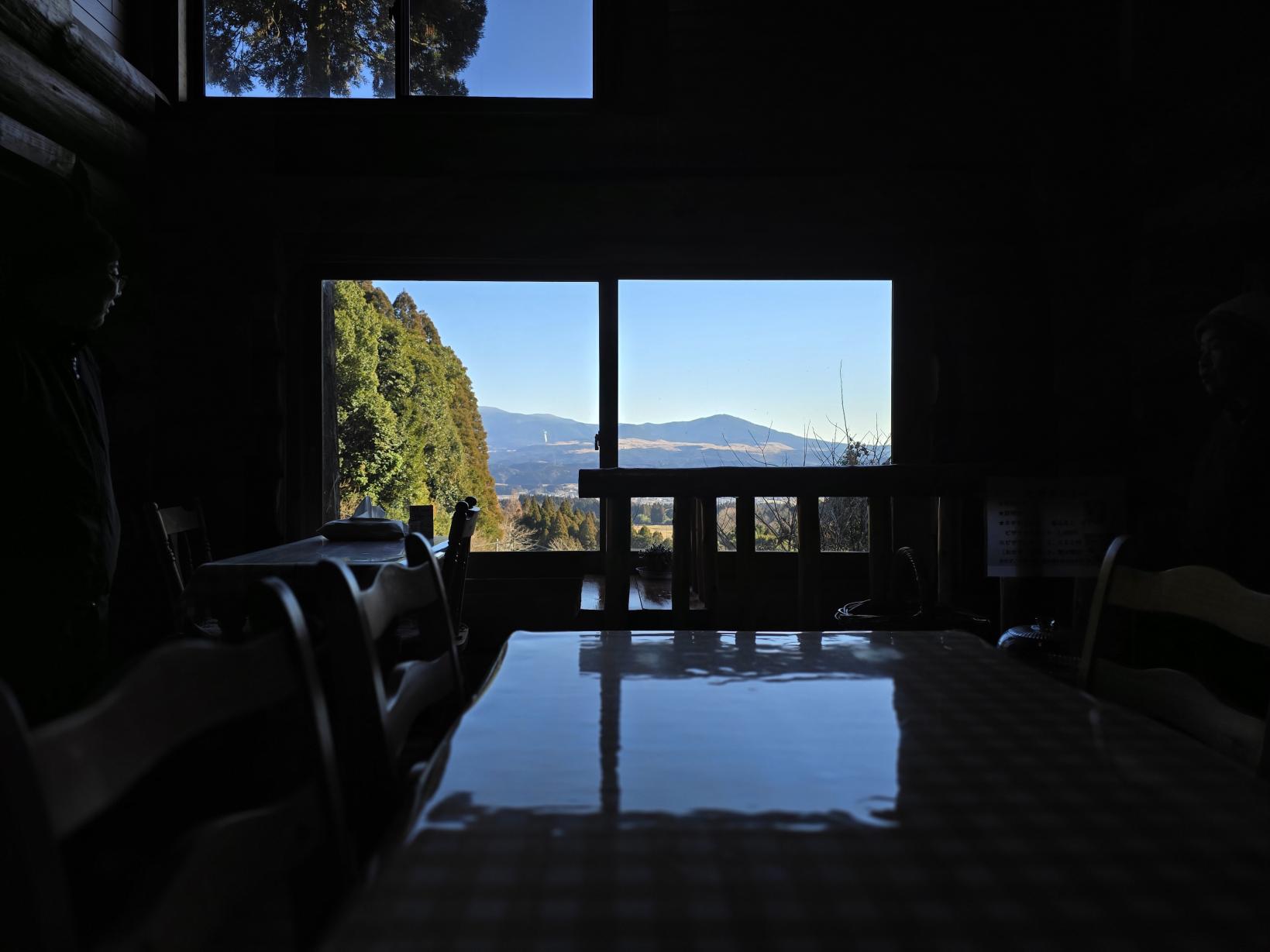
I woke to the sound of birdsong in the morning. After I dressed, I headed to the log house for breakfast. It's located a short distance away up a small hill from the old farm house, but nothing could have been better than breathing the clear morning air as I walked.
When I entered the cafe space in the log house, my gaze immediately turned to the scenery visible from the large window. The magnificent Kirishima Mountains and Ebino Plateau were spread before my eyes—on some days, the cloud sea is visible if one is lucky.
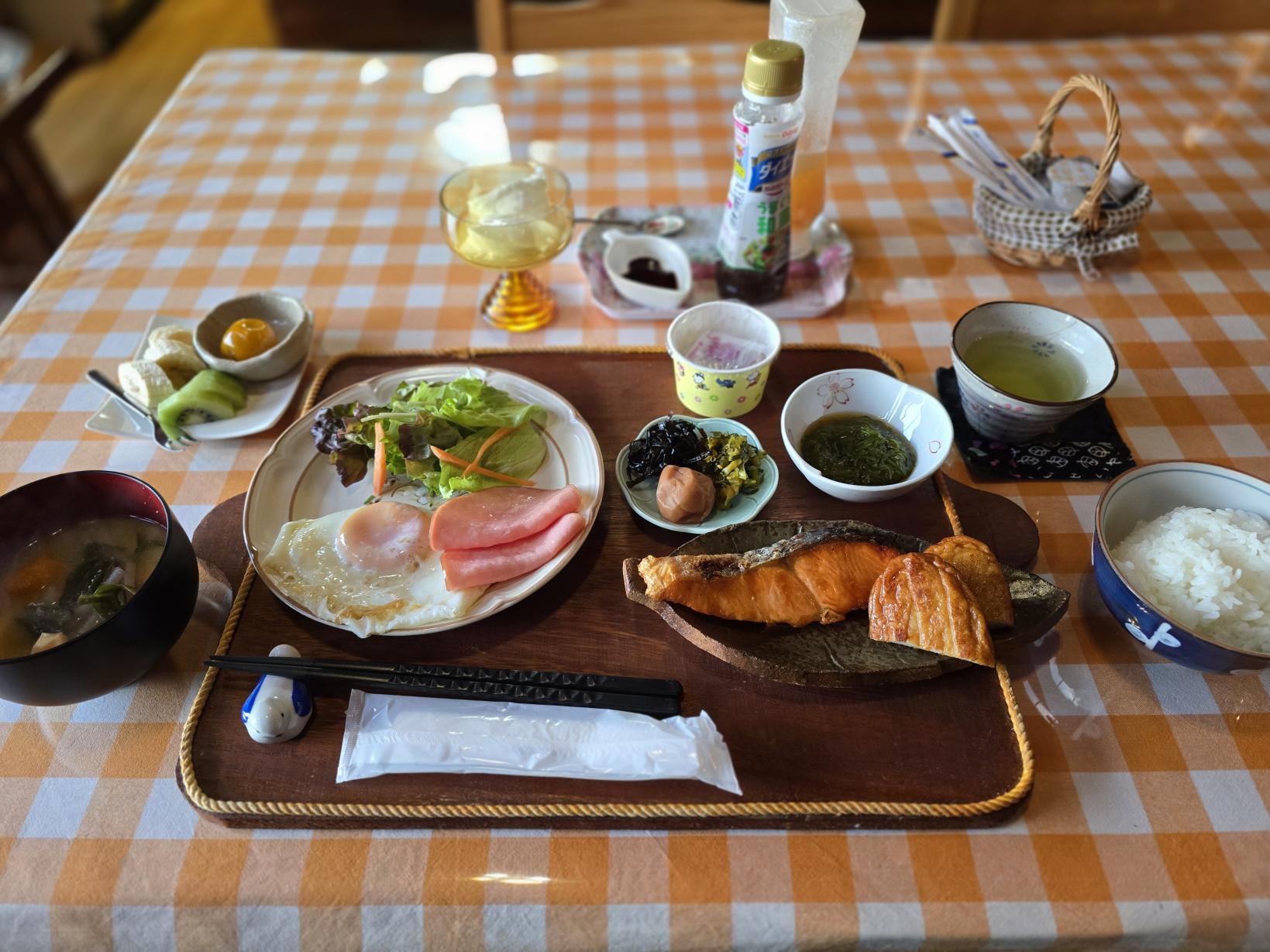
My hosts had provided a hand-made Japanese breakfast. Fried eggs with grilled salmon, a hearty miso soup, and home-grown rice—a true warm Japanese breakfast that spread gently through my stomach.
“Did you sleep well?” Mr. and Mrs. Kozuma greeted me with smiles, and we talked about the day’s plans while looking at the landscape out the window. The day started with those gentle morning moments.
“Koko Kyan = Come here.” To your home in the satoyama landscape
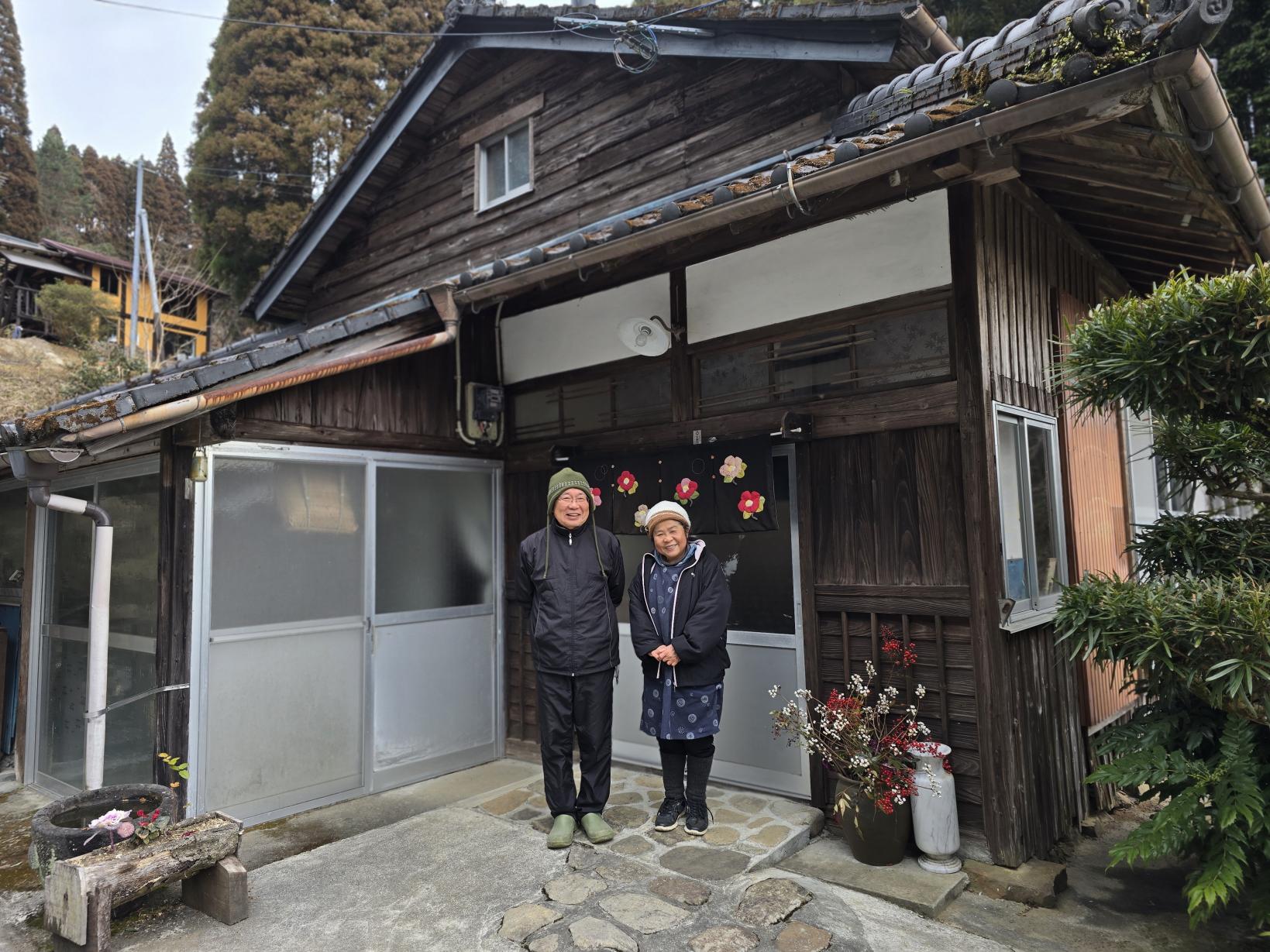
Lastly, I’ll talk about the origins of the slightly strange name. “Koko kyan” means “come here” in the local dialect. It carries Mr. and Mrs. Kozuma’s wish that people will come here lightheartedly for some fun.
As these words suggest, here you’ll find both unfussy warmth—as if you’re at a relative’s house—and the free time you can only get by renting an entire building. And Kokokyan is still not “complete.” It’s possible that each time you visit, there’ll be another new building, and the scenery will have changed. That feeling of excitement is another reason that repeat guests love this place.
Why not try your own “homecoming” to Ebino’s satoyama landscape, invited by the words “Koko kyan” (“Come here”)? The next time you visit, you’ll surely find yourself wanting to say, “I’m home.”
Recommended Articles
-
Casual day-trip hot springs to enjoy in Miyazaki
-
Mouthwatering cuisine you have to try in the cornucopia of Miyazaki
-
One classic way to enjoy Miyazaki is strawberry and tropical fruit picking!
-
Take a tour of famous spots for seasonal flowers in Miyazaki! - Fall -
-
Indoor spots in Miyazaki you can enjoy on a rainy day
-
West Miyazaki is home to abundant nature and plenty of leisure destinations
-
Central Miyazaki is easily accessible from the airport and Miyazaki Station
-
Southern Miyazaki, a land rich in tropical charm
-
The power spots of northern Miyazaki fuse dynamic nature with the myths of yore.
-
Enjoy local cuisine and discover great souvenirs! A list of roadside stations in Miyazaki Prefecture
-
Take a tour of famous spots for seasonal flowers in Miyazaki! - Winter -
-
Photogenic spots in Miyazaki where you’ll just have to stop and take pictures
-
A guide to Miyazaki beaches and pools for your summer fun!
-
Take a tour of famous spots for seasonal flowers in Miyazaki! - Spring -
-
Take a tour of famous spots for seasonal flowers in Miyazaki! - Summer -
-
![[Experience Article] A trip to the town where the gods dance. Discovering the true faces of the people who perform the “Takachiho Kagura” through a farm stay-1](https://www.kanko-miyazaki.jp/storage/special_features/596/responsive_images/Jj1eM8CdOcrE0qpw7QCrutHT0tkX6C2dLAIejKKC__1800_1200.jpg)
[Experience Article] A trip to the town where the gods dance. Discovering the true faces of the people who perform the “Takachiho Kagura” through a farm stay
-
Explore More! Travel Miyazaki by Bus & JR
-
![[Miyazaki Gibier] Experience the “gift of a life”: savoring authentic gibier and the bounties of the satoyama landscape on a farm stay-1](https://www.kanko-miyazaki.jp/storage/special_features/601/responsive_images/oXDt1NxmZq73SKSTLjhWw3lq0WL4TpvtU0XN8z0L__1639_1229.jpg)
[Miyazaki Gibier] Experience the “gift of a life”: savoring authentic gibier and the bounties of the satoyama landscape on a farm stay
-
Freshly caught excitement! Enjoy fixed net fishing during a farm stay in Miyazaki
-
A harvesting experience in Miyazaki! Our 8 chosen experience itinerates in farm-stay facilities where you can savor the bounties of the earth