



![[Miyazaki Gibier] Experience the “gift of a life”: savoring authentic gibier and the bounties of the satoyama landscape on a farm stay-0](https://www.kanko-miyazaki.jp/storage/special_features/601/responsive_images/oXDt1NxmZq73SKSTLjhWw3lq0WL4TpvtU0XN8z0L__1639_1229.jpg)
[Miyazaki Gibier] Experience the “gift of a life”: savoring authentic gibier and the bounties of the satoyama landscape on a farm stay
An authentic gibier experience on a farm stay in Miyazaki: hear stories from the hunters, buy gibier at the michi-no-eki (roadside station), and savor a delicious meal in an old farmhouse. Experience the lives gifted by charcoal-grilled rainbow trout, freshly fished, and a BBQ of wild boar or venison with no unpleasant odors.
What is Miyazaki’s gibier? Transforming the nuisances of the satoyama landscape into a high-class resource
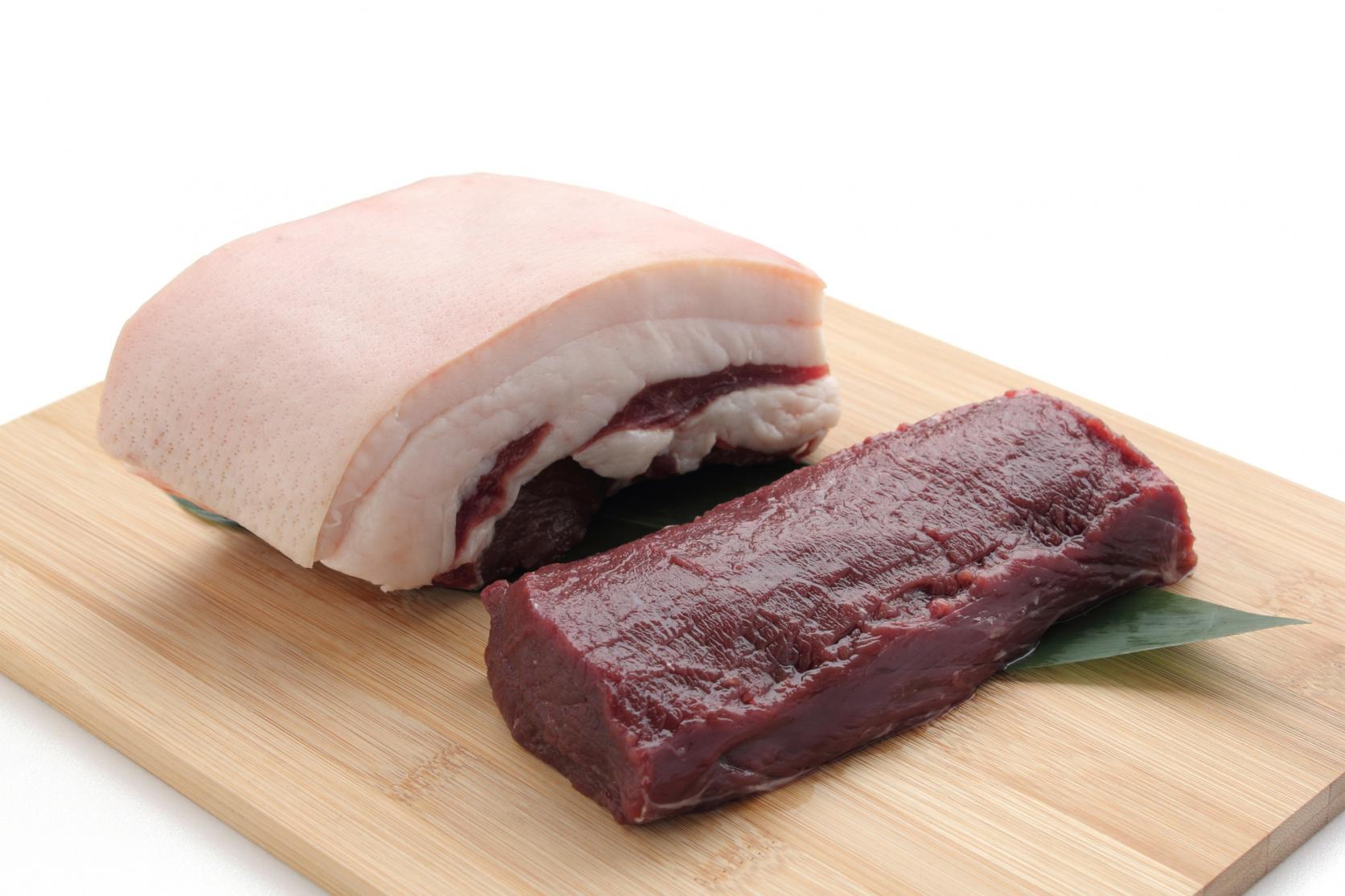
“Gibier” is a French word that refers to the meat of wild birds and animals caught by hunting, and the dishes cooked with it. In recent years, gibier has also attracted attention in Japan for its high nutritional value.
For example, venison has higher protein and lower fat than beef, as well as an abundance of iron, while wild boar contains more iron and vitamin B12 than pork—they’re actually very healthy ingredients. These wild animals, which live in Miyazaki’s great natural world, are true “bounties of the forest.”
On the flip side, crop damage caused by deer and wild boar is a serious issue in the mountain areas of Miyazaki Prefecture. There’s now a growing initiative in the prefecture to use these animals as a valuable local “resource,” rather than simply killing them as “nuisances.”
Protect the rich natural world while feeling gratitude for their lives: enjoying Miyazaki’s gibier in a farm stay will help support local sustainable initiatives.
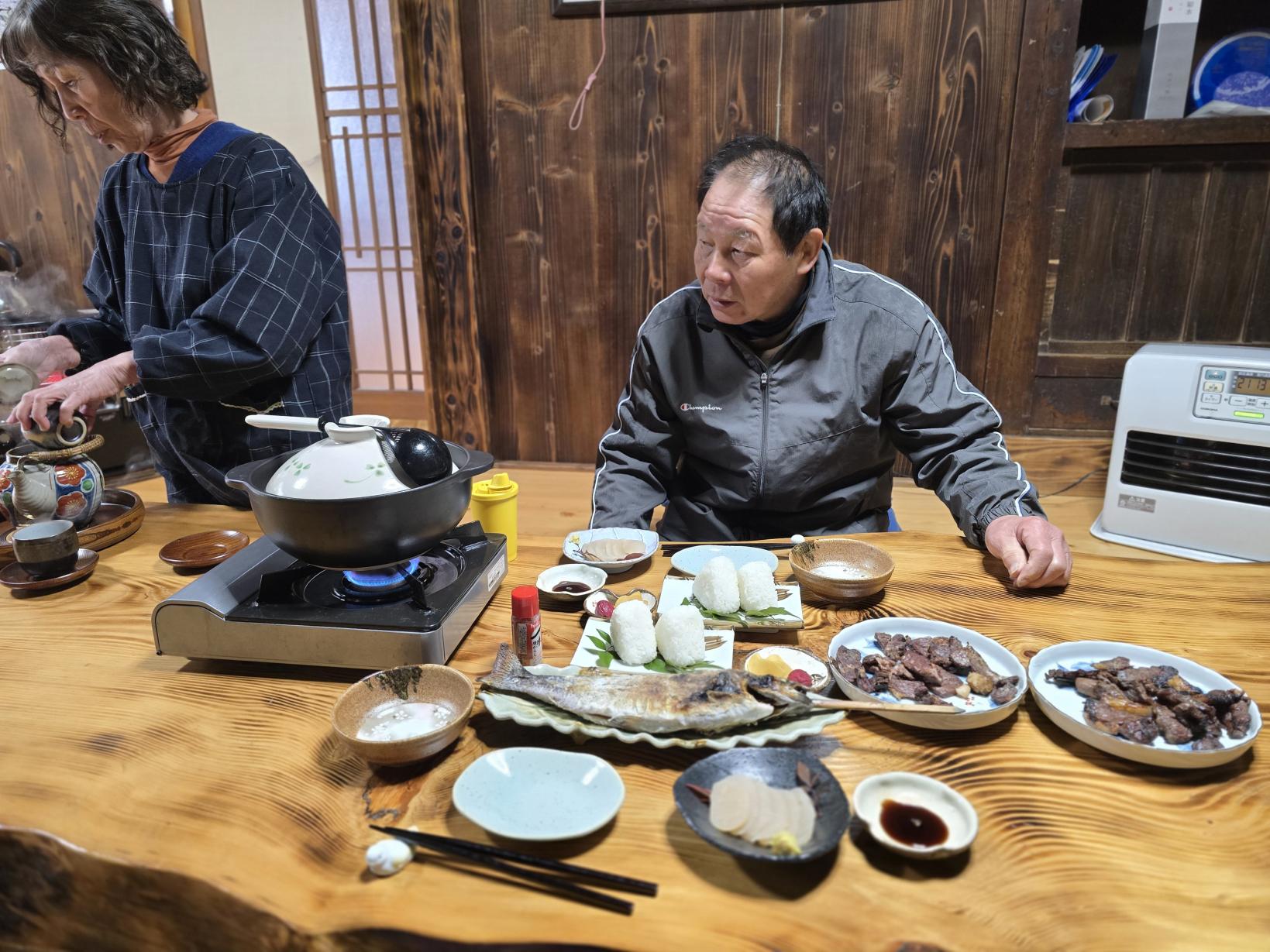
[Interview] Listening to an active hunter talk about the reality of these lives: Farm Stay Nagomi no Ie
![[Interview] Listening to an active hunter talk about the reality of these lives: Farm Stay Nagomi no Ie-0](https://www.kanko-miyazaki.jp/storage/special_feature_paragraphs/5006/responsive_images/Wu44miVNdsRjKXSsBT0iEcGraH6R1vrST7rGmqdL__1639_1229.jpg)
![[Interview] Listening to an active hunter talk about the reality of these lives: Farm Stay Nagomi no Ie-1](https://www.kanko-miyazaki.jp/storage/special_feature_paragraphs/5006/responsive_images/l9lh1UsSR7psa7EK36QRtGgwqYygyR35ApsUYwIi__1639_1229.jpg)
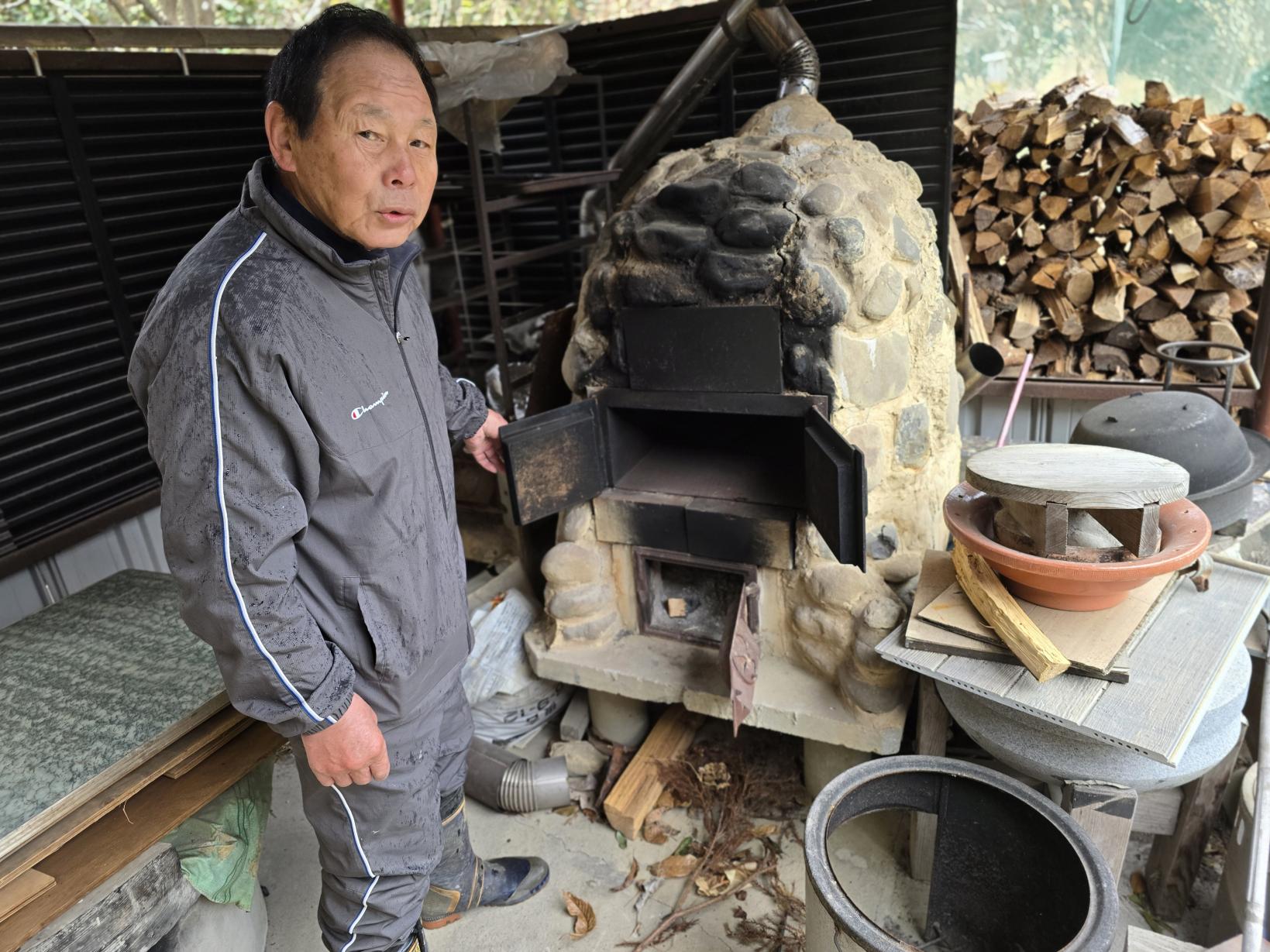
“Game isn’t something that you can just shoot. We use dogs to chase it from the mountains and lie in wait so we can kill it in an instant. We call this ‘owase-ryo (makigari)’, meaning ‘chase-hunt (encircling hunt)’.”
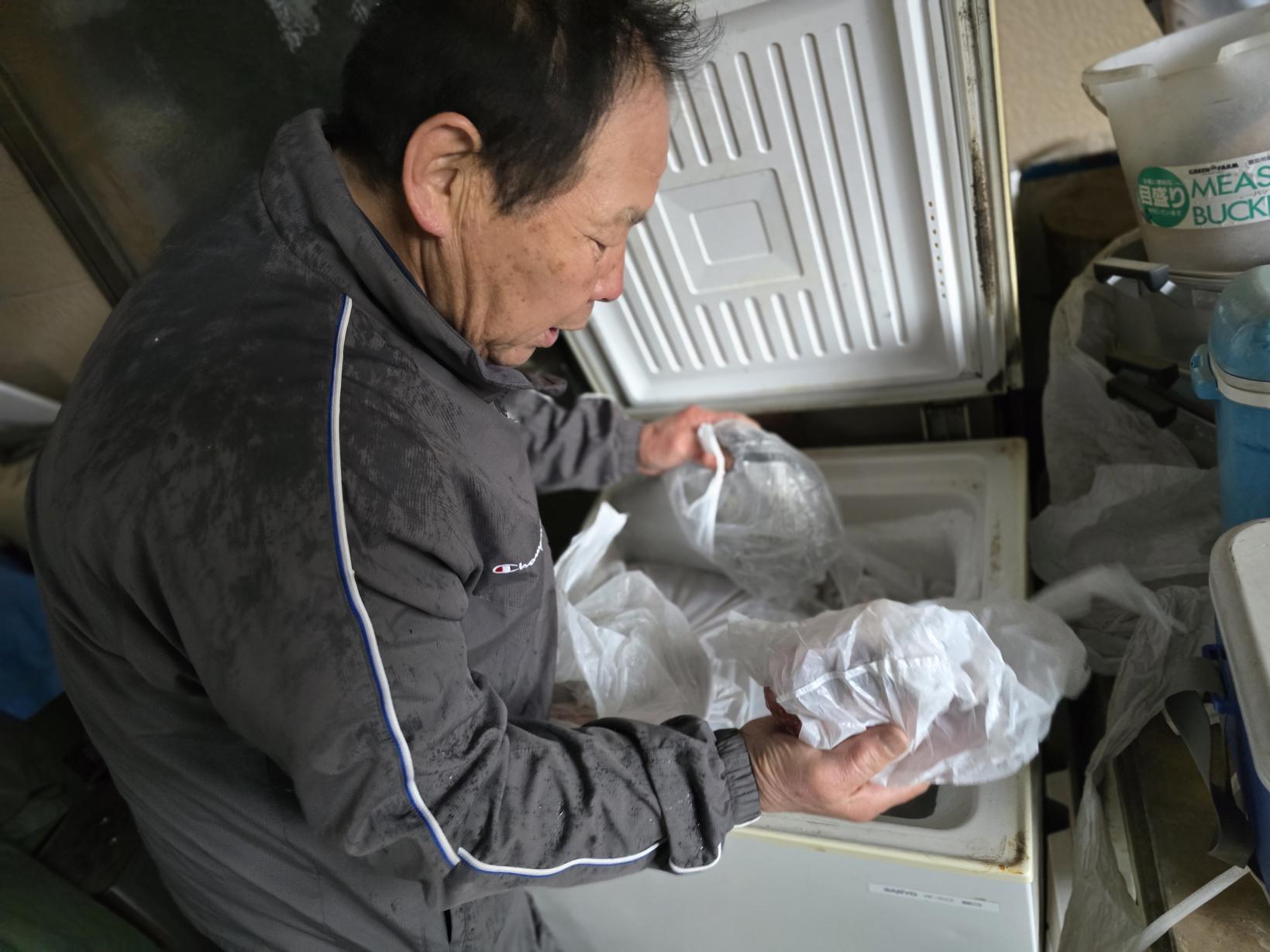
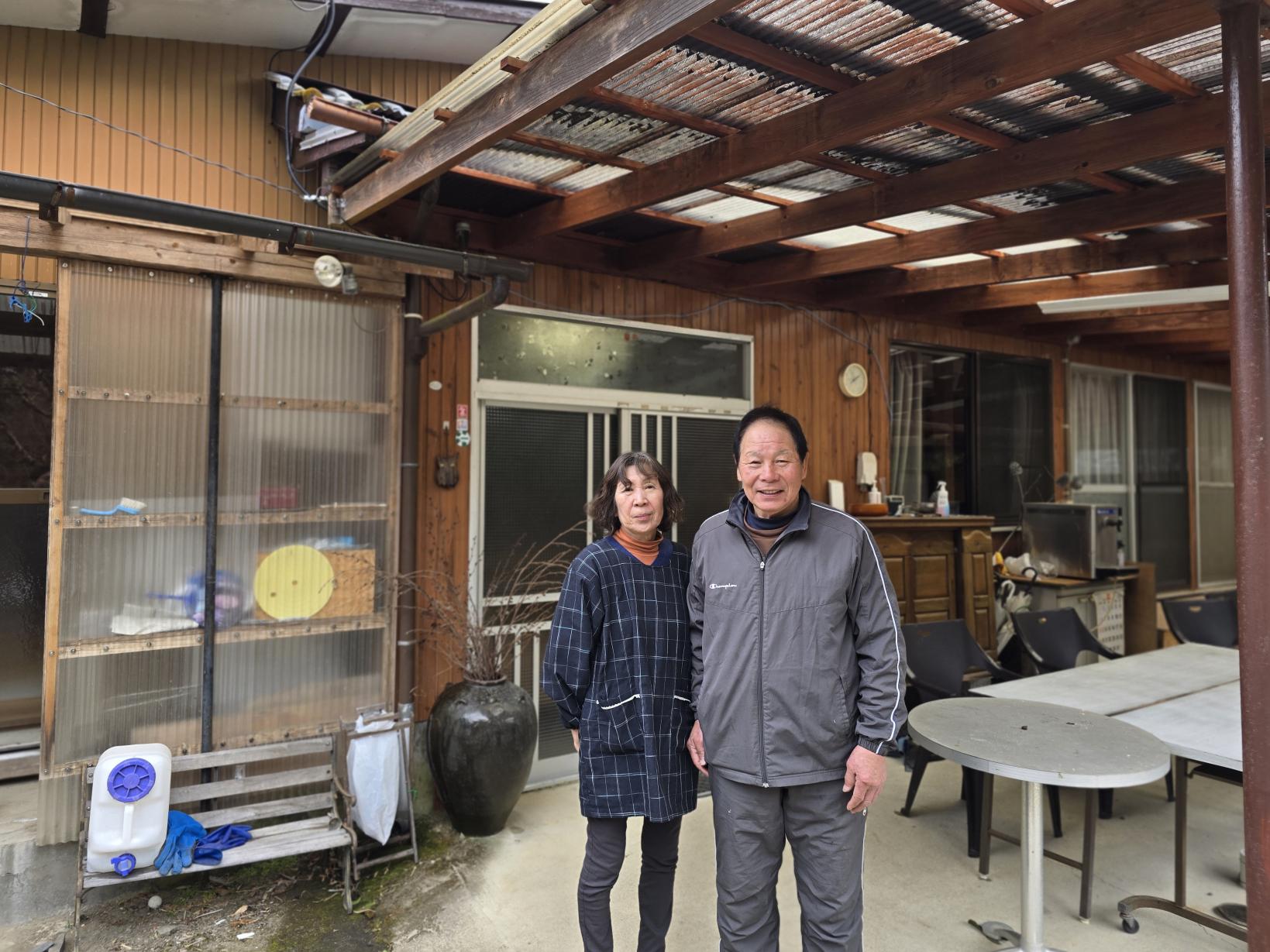
The person who told me this is Hitoyoshi Imoto from Nagomi no Ie, a farm-stay facility in Nobeoka City. He was born into a family of hunters, and is himself a veteran hunter with a career lasting more than 30 years.
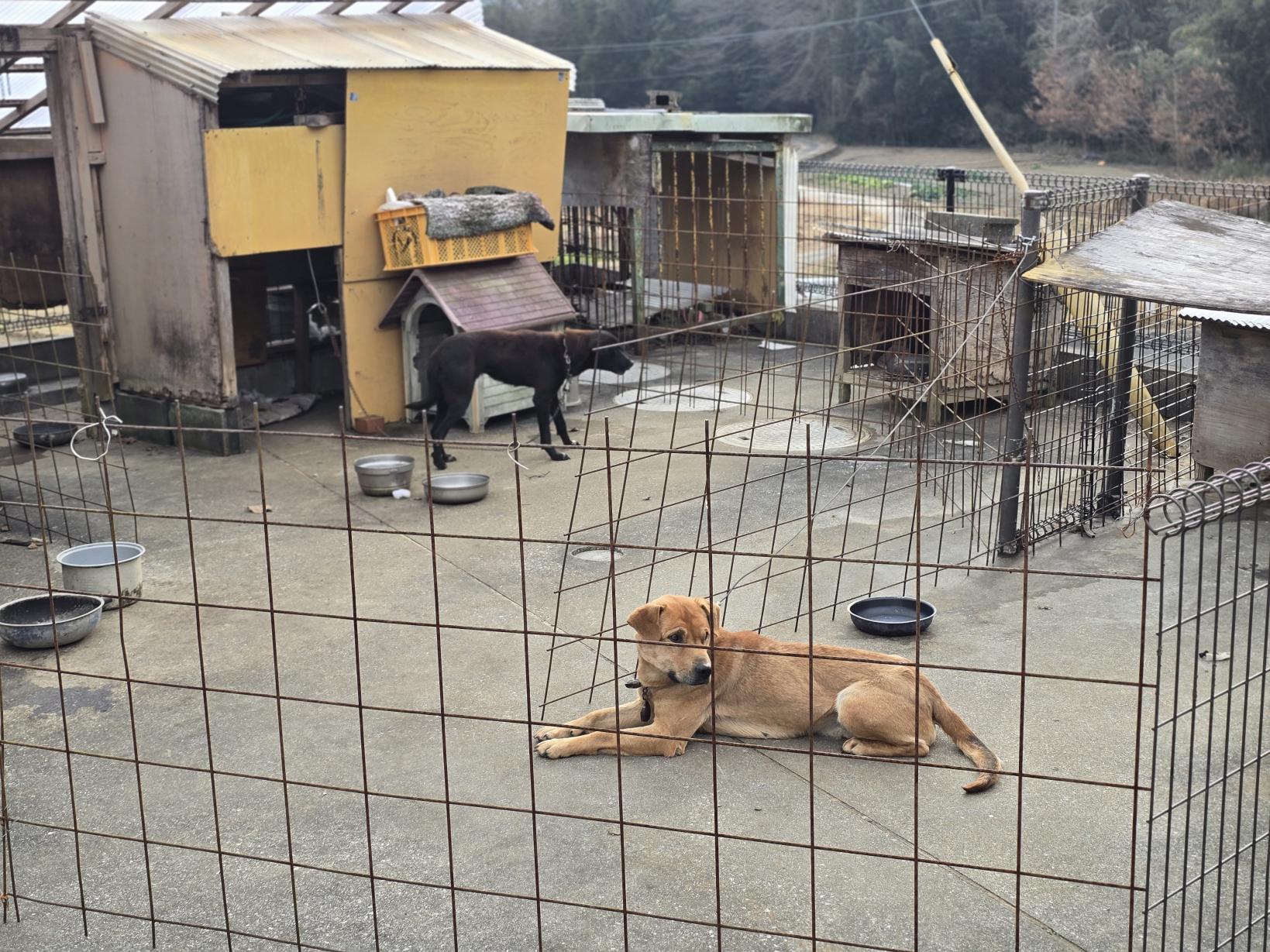
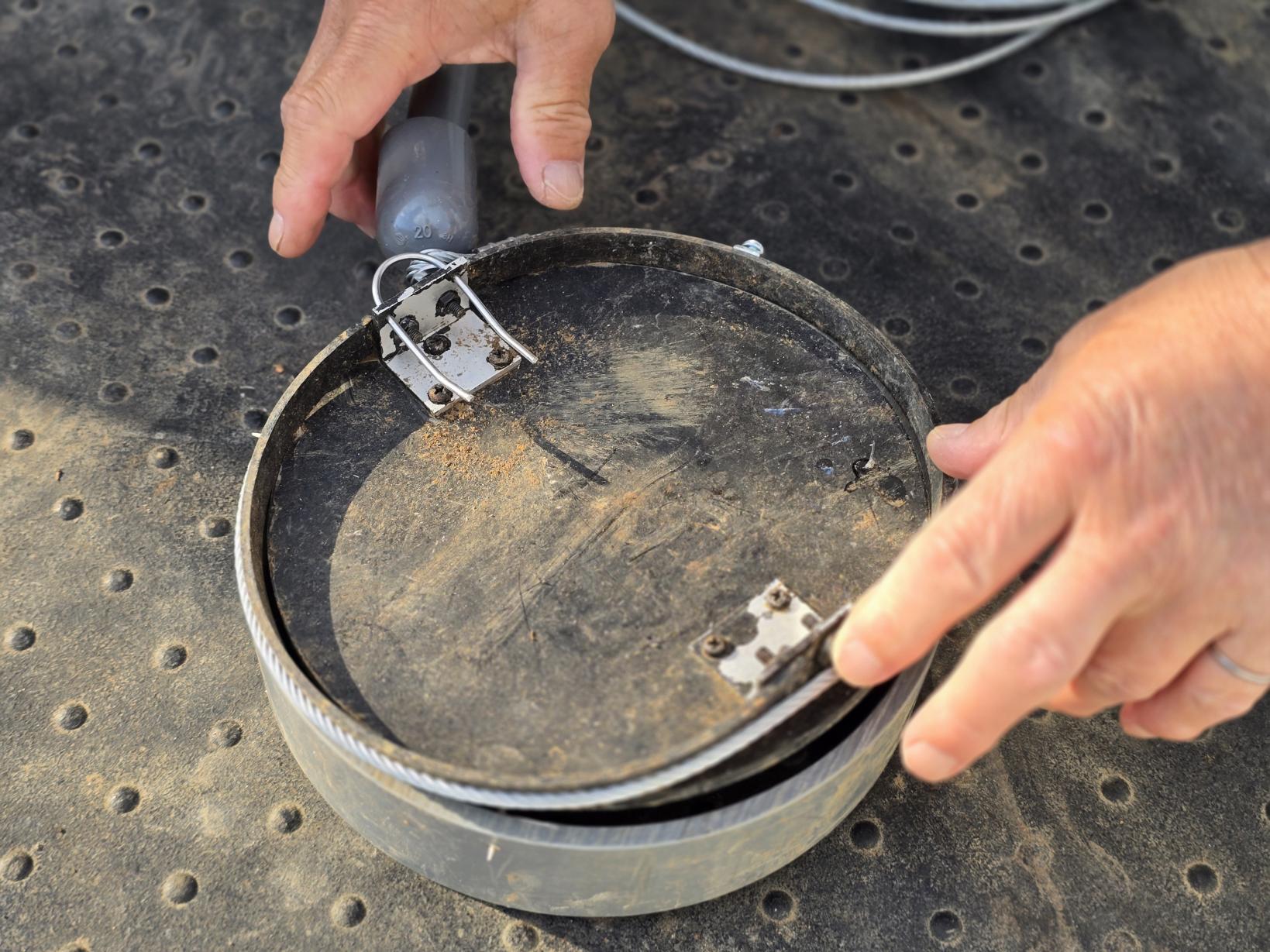
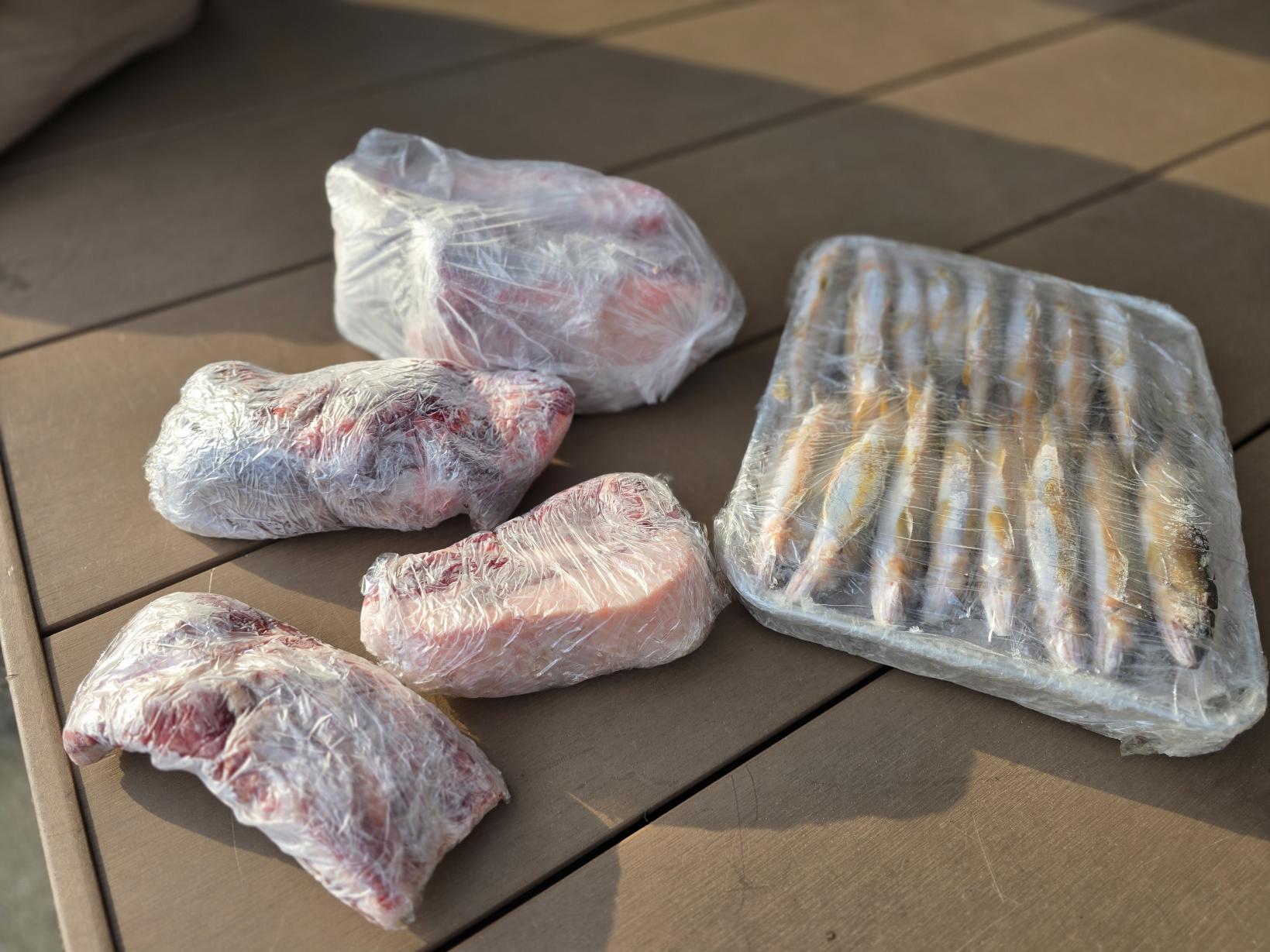
Here, the hunters make good use of traditional makigari hunting, carried out with the help of hunting dogs, and “kukuri-wana,” snares set on animal trails, to square off against the wild boar and deer. They have permits for the capture of damage-causing wildlife, so they can catch animals throughout the year, but according to my host, there is a distinct “season” for gibier.
“Wild boar is definitely a winter meat. Its fat levels have peaked, giving it a sweeter taste, and it’s best in botan-nabe (a one-pot wild boar meat dish) or sukiyaki (hotpot). Conversely, deer peaks in the summer. I recommend enjoying the umami deliciousness of the red meat by marinating it in a soy-based sauce and deep-frying it, or cooking it on a griddle (teppan-yaki).”
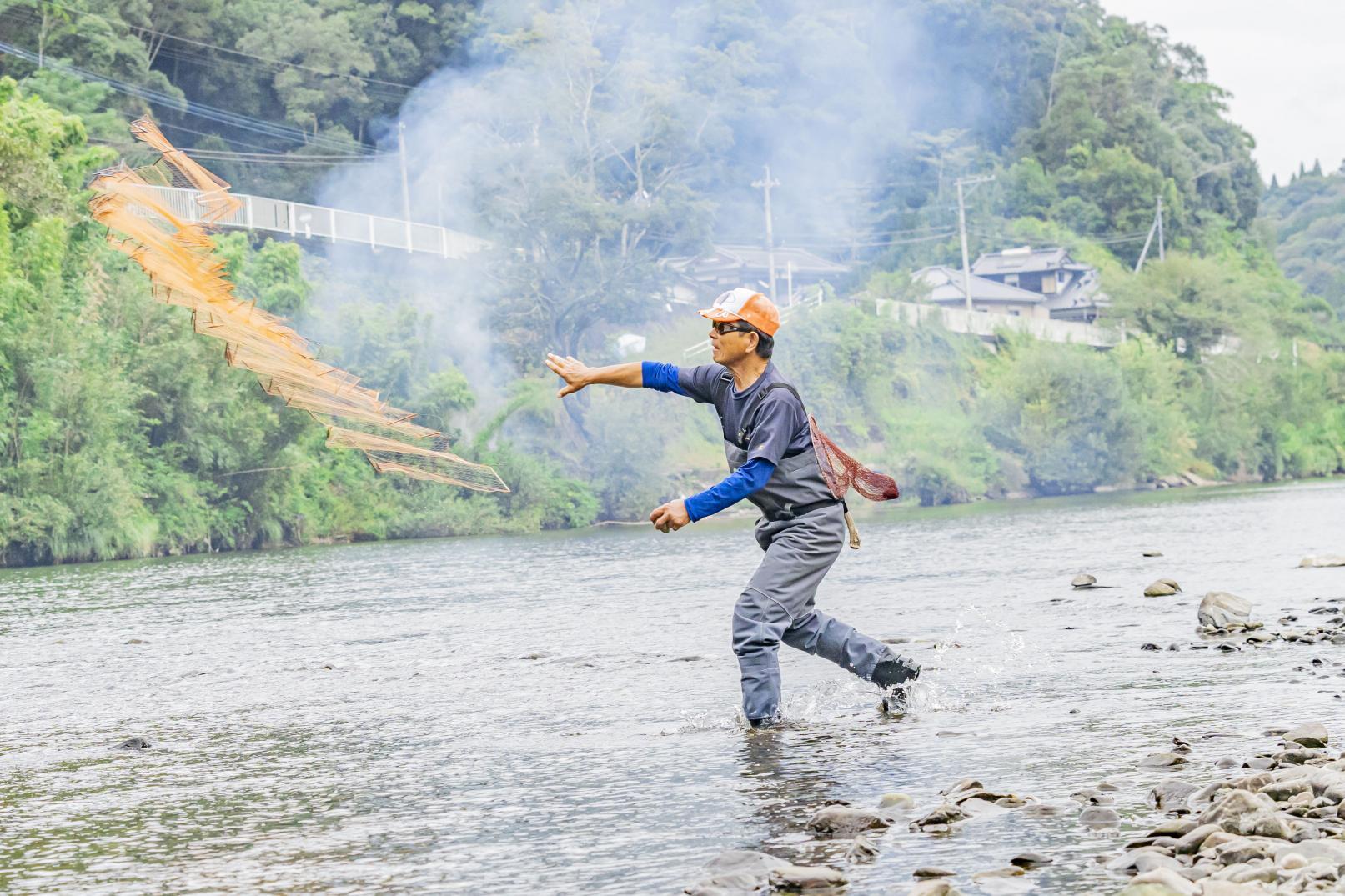
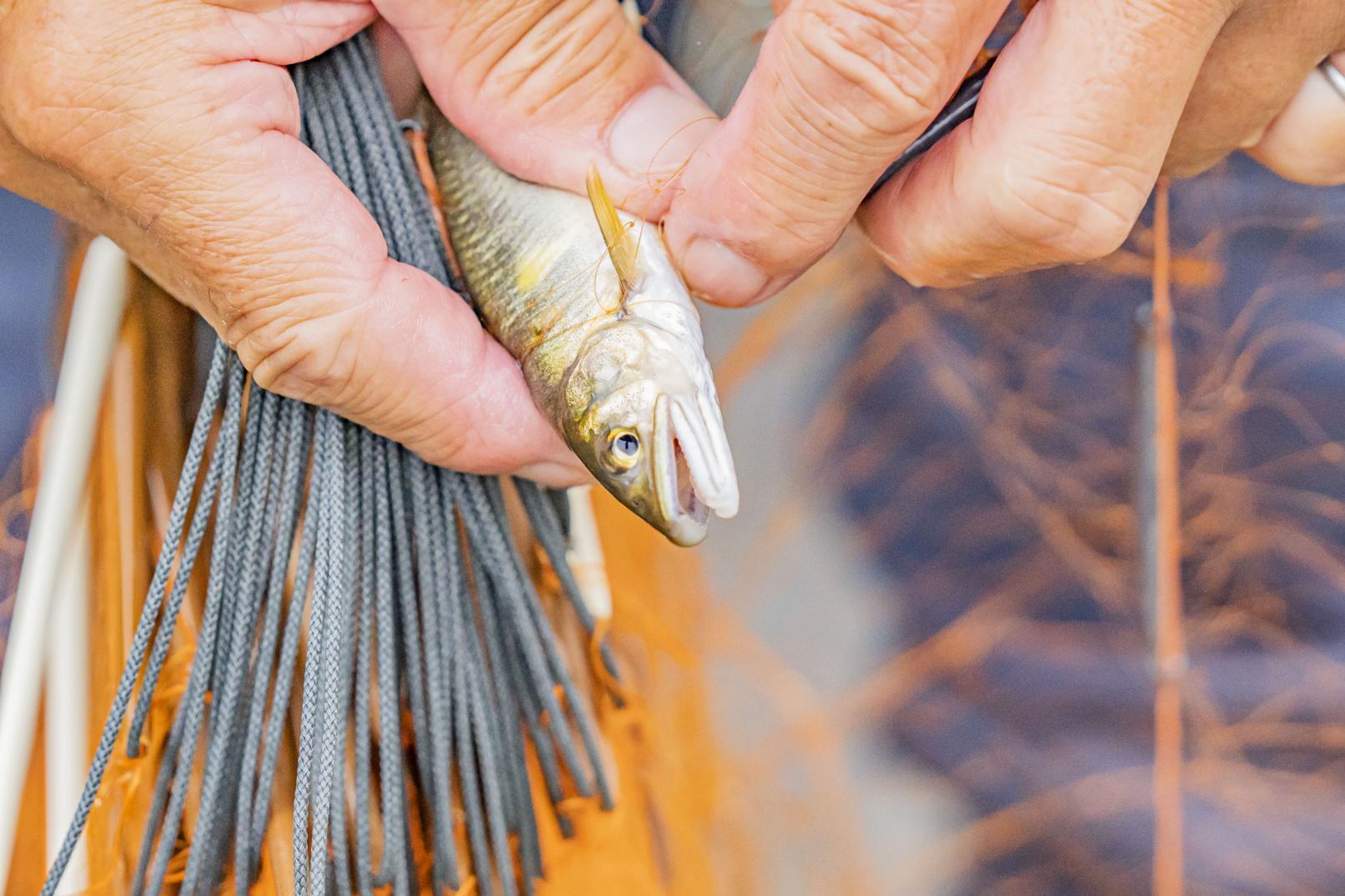
It’s not just the mountains: another appeal of this accommodation is their thorough knowledge of the bounties of the river. From June to December, you can fish for ayu (sweetfish) in the waters that run close by. Notably, in November, you can fish for ayu swimming downstream to spawn (ochiayu) using a traditional technique called “shibaseki” fishing: green bamboo and bamboo grass (shiba) are woven together in the river to create weirs (seki) where you can throw your net.
“A lot of the ayu here are natural, so they tend to be on the small side, but the moss (that they eat) is good so they have a fantastic aroma.”
For those of us who only know the meat and fish arranged in rows at the supermarket, the chance to hear about the real experiences of hunting and fishing gives a valuable moment to remember the weight of the “gift of a life” and gratitude for it.
[Interview] The owner who awaits you boasts an interesting history: Irodori no Sato
![[Interview] The owner who awaits you boasts an interesting history: Irodori no Sato-0](https://www.kanko-miyazaki.jp/storage/special_feature_paragraphs/5010/responsive_images/e3qWl1RhNEteSc5e4rAOg1aovwOwUgAdbEK37I7A__1639_1229.jpg)
![[Interview] The owner who awaits you boasts an interesting history: Irodori no Sato-1](https://www.kanko-miyazaki.jp/storage/special_feature_paragraphs/5010/responsive_images/AmpXqOYdYAxtKYLkNky9bWbwmBsM0BlVFv9KNl7l__1639_1229.jpg)
*Gibier is not currently being served at Irodori no Sato. Please purchase it at a michi-no-eki (roadside station) or farm shop and enjoy it at facilities with BBQ equipment.
Irodori no Sato stands in a quiet location in Suki, Kobayashi City, surrounded by chestnut trees and mountains. This facility, where you can enjoy river activities and more, is run by Masakazu Natsuki, who worked as a chief engineer on foreign shipping routes for around 40 years, traveling all over the world on the sea. After retiring, he returned to this area, his hometown. With the passionate wish to revitalize the locality, he cleared and developed the riverbank and opened the facility.
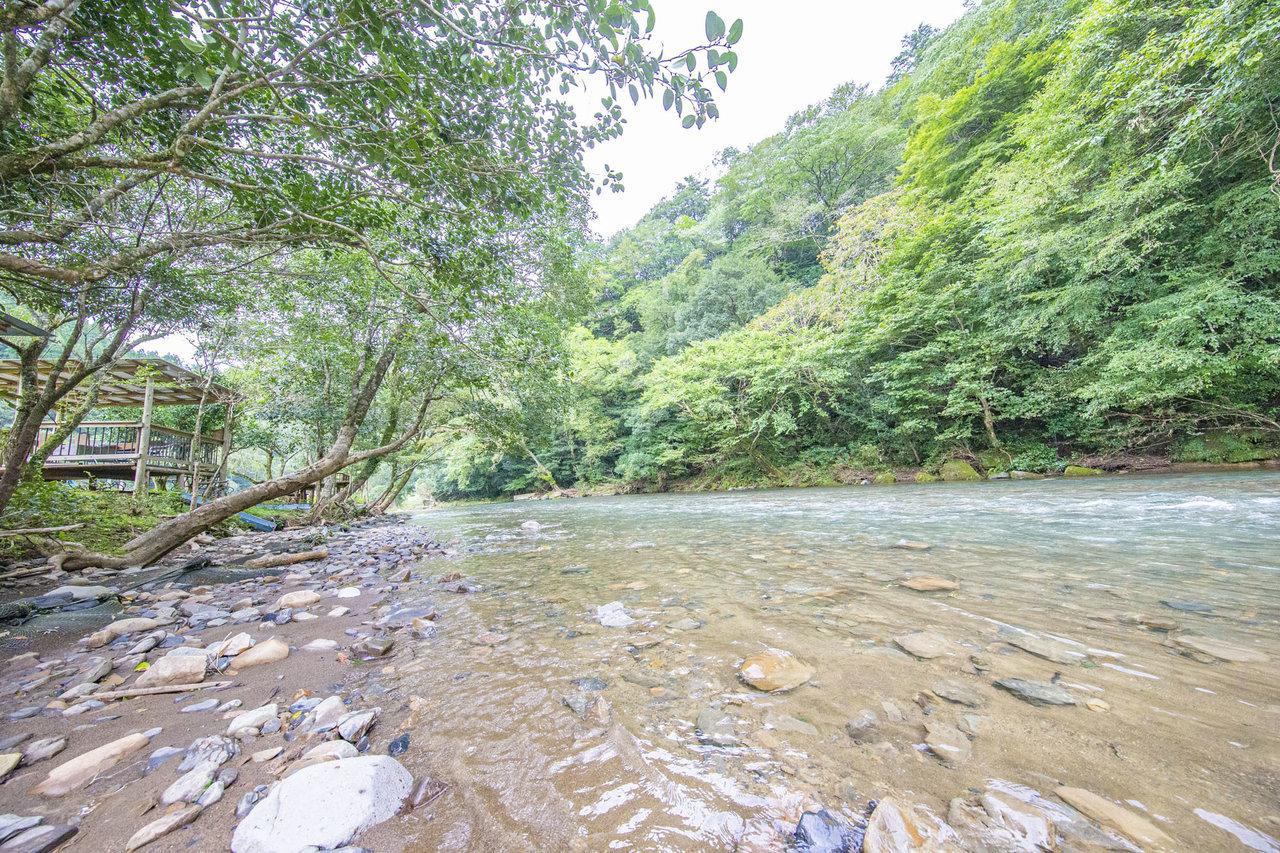
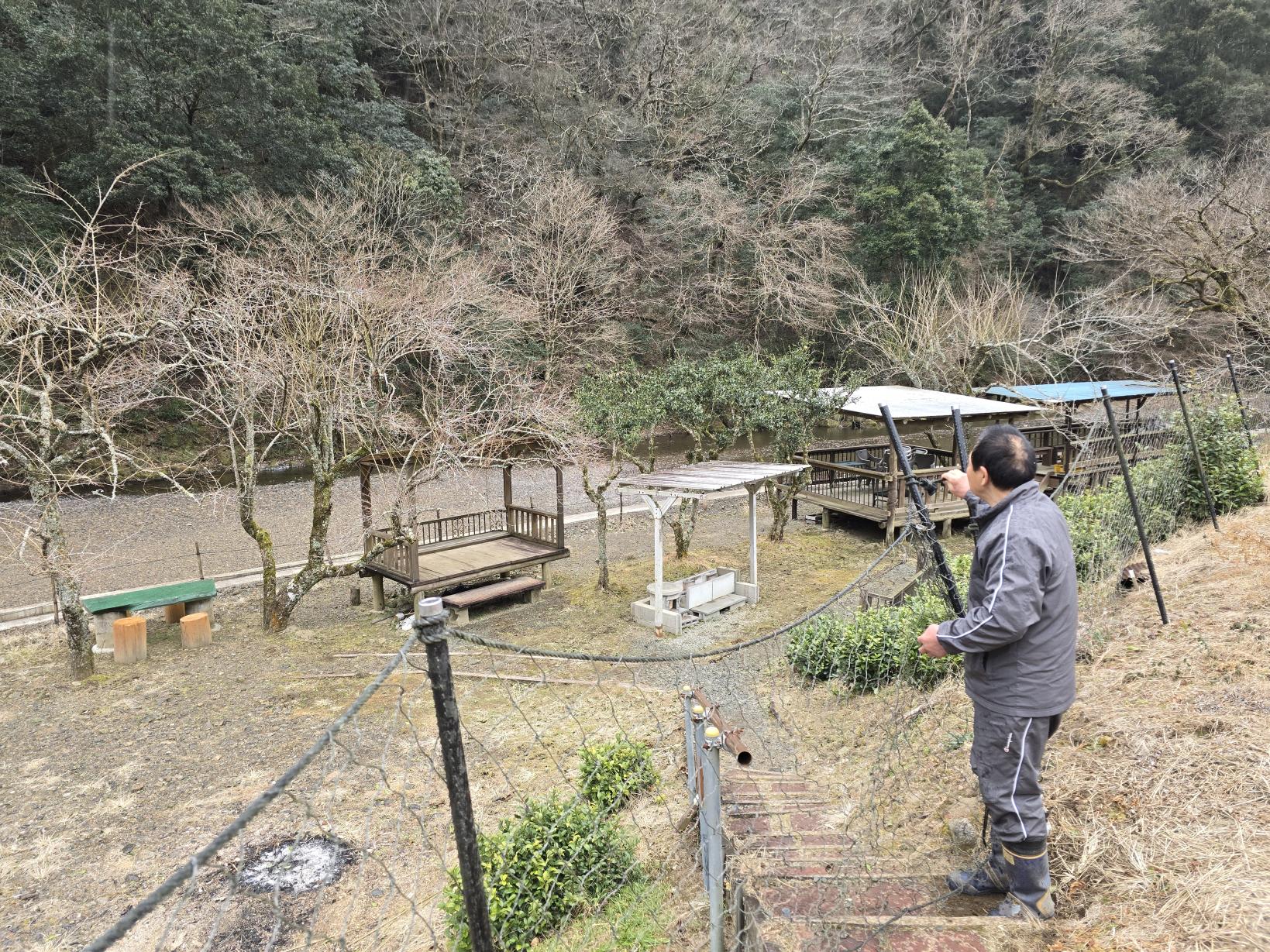
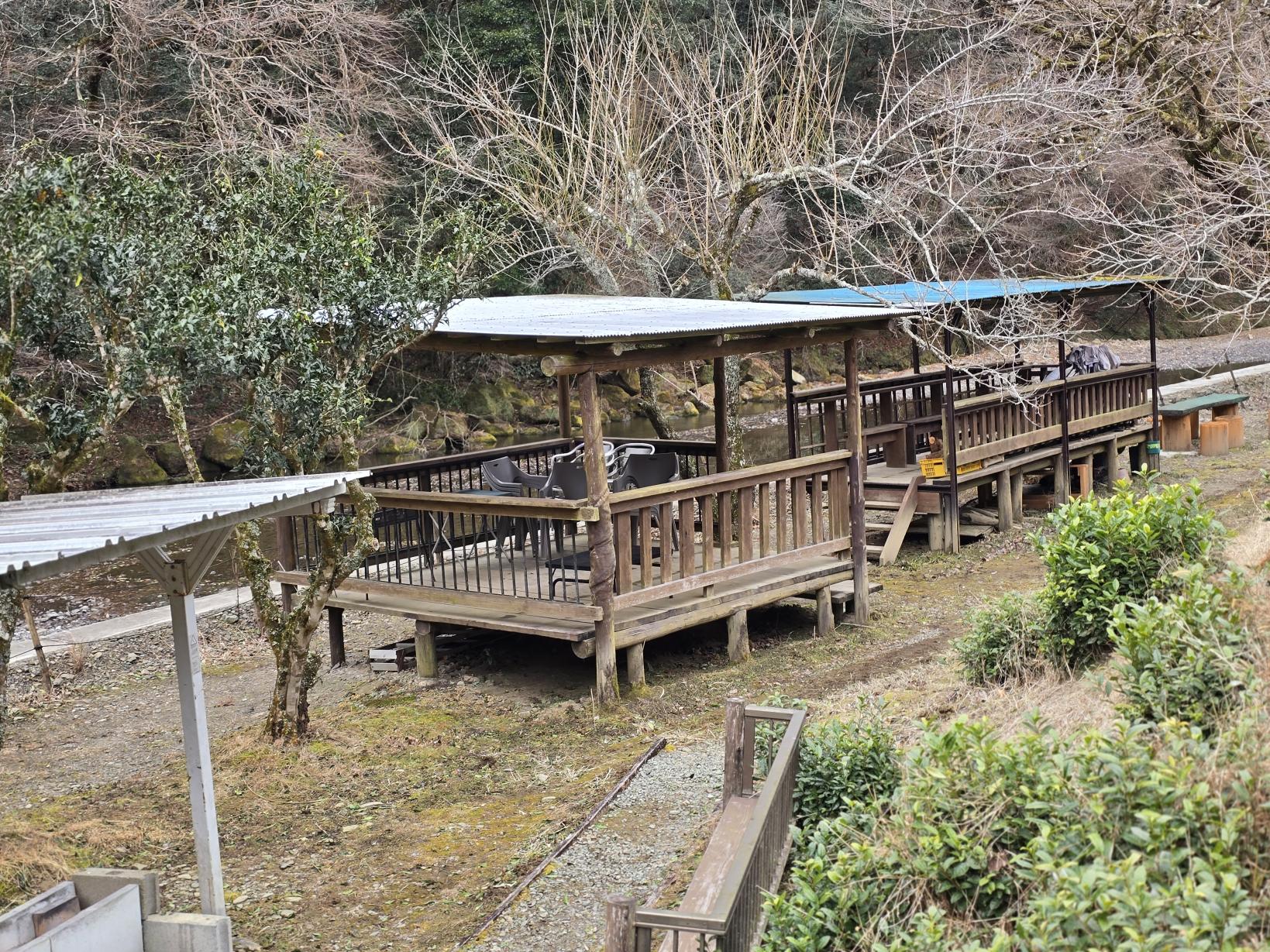
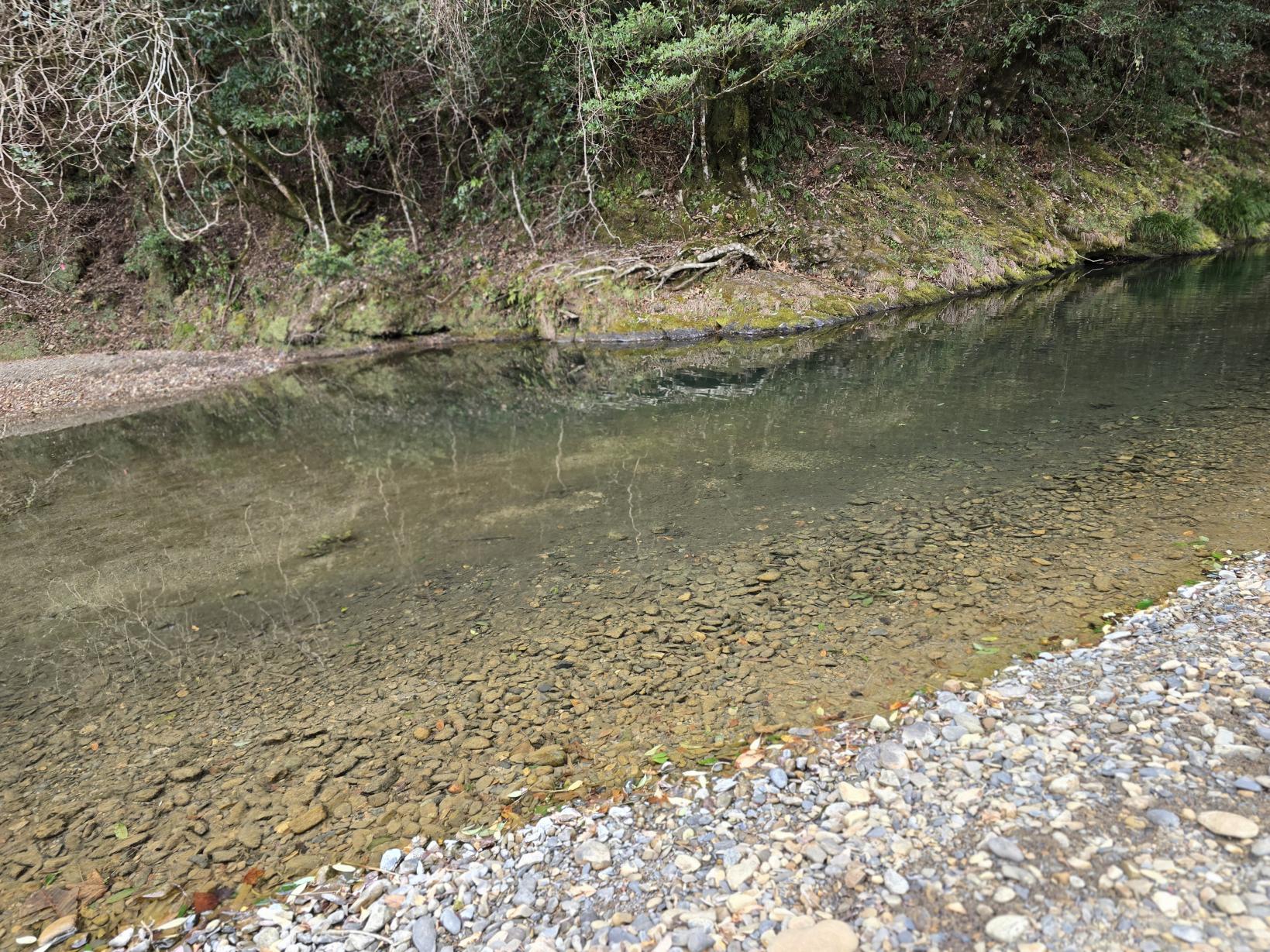
The whole area is a playground where you can enjoy the changes of all four seasons!
In spring, cherry blossoms, iwa tsutsuji azaleas, and purple silky wisteria flowers are in full bloom, while bright autumn foliage colors the satoyama landscape in the fall. A beautiful river flows nearby: the perfect spot for children to jump in from the rocks and play in the water in the summer.
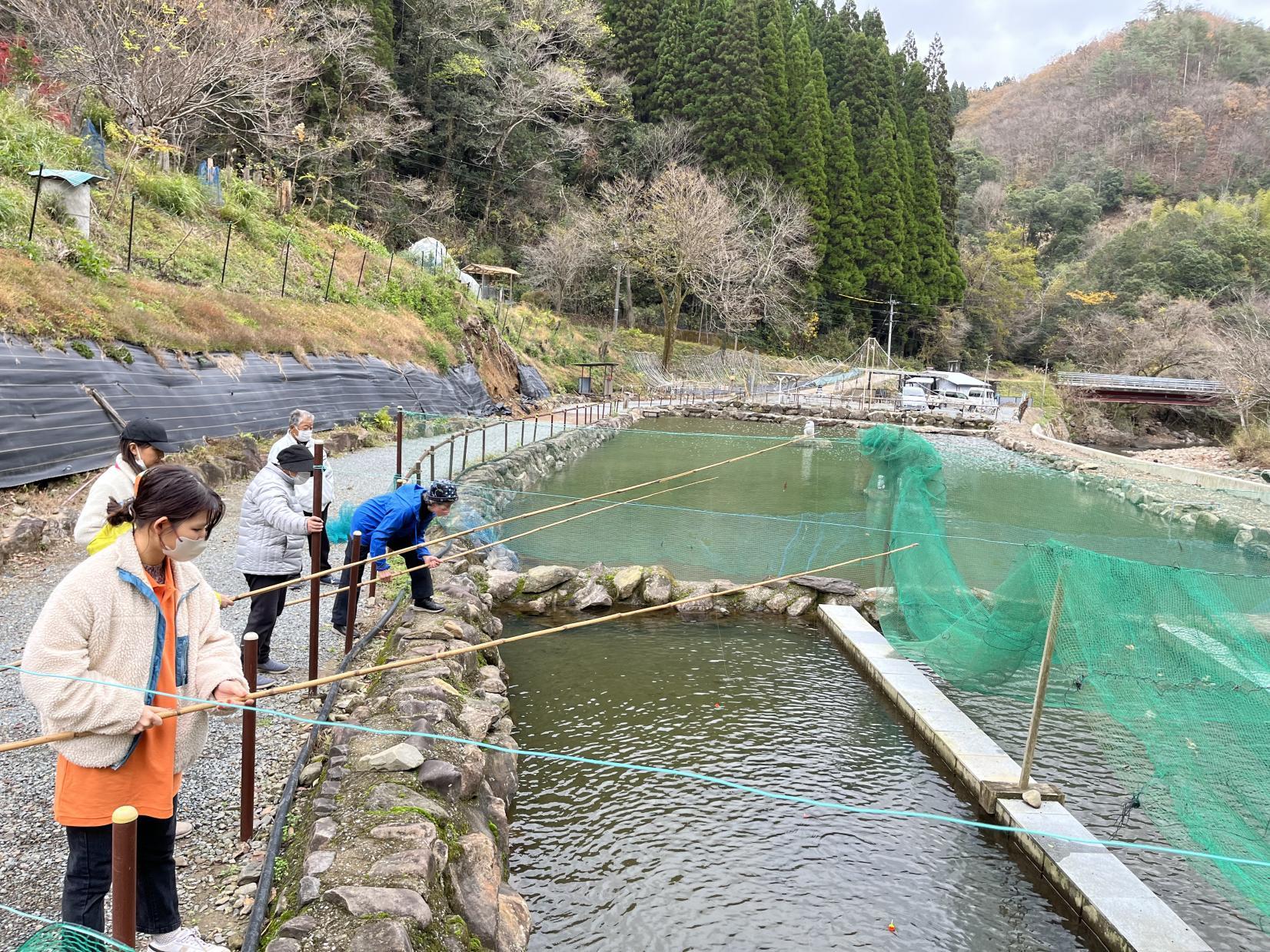
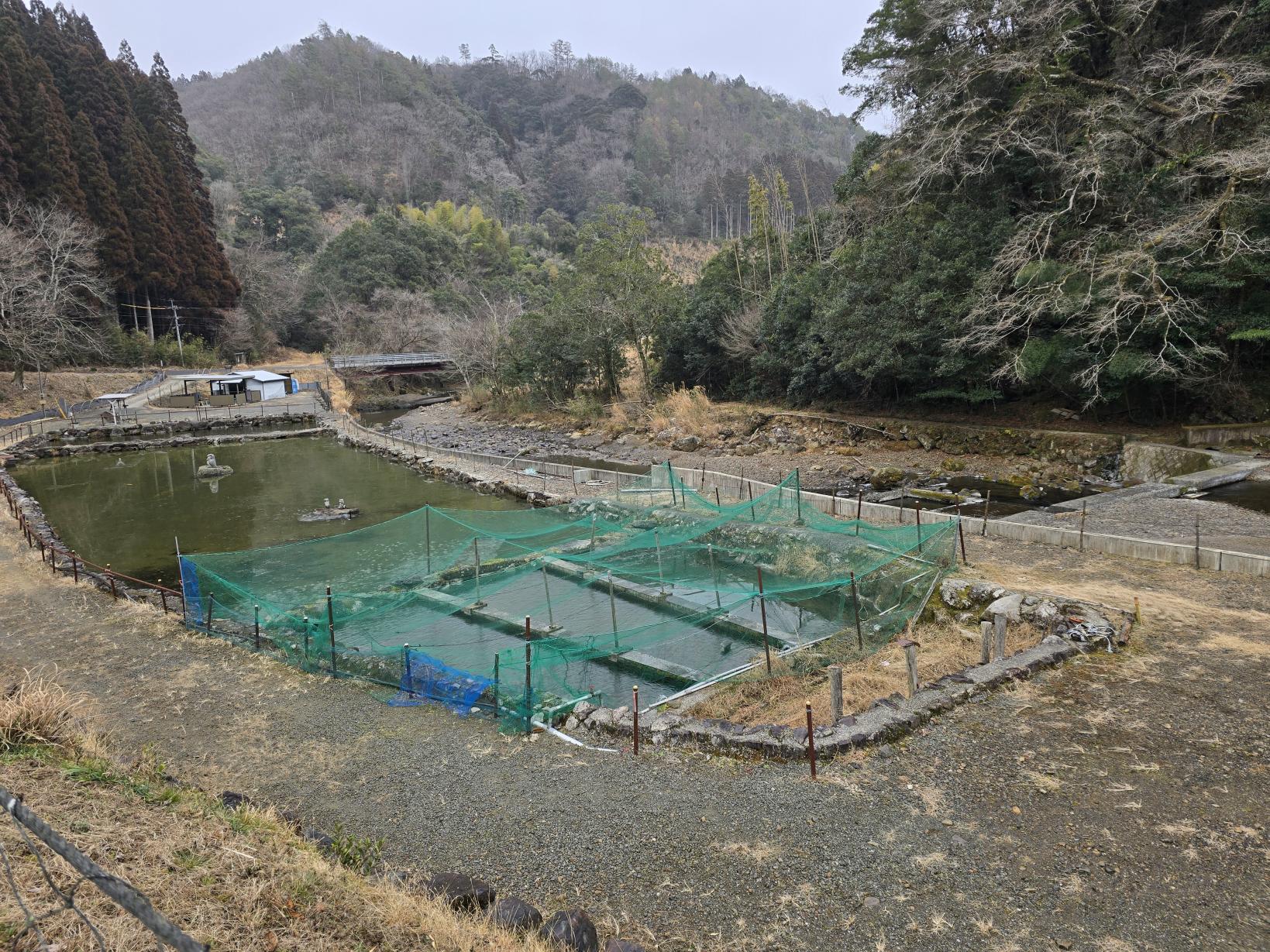
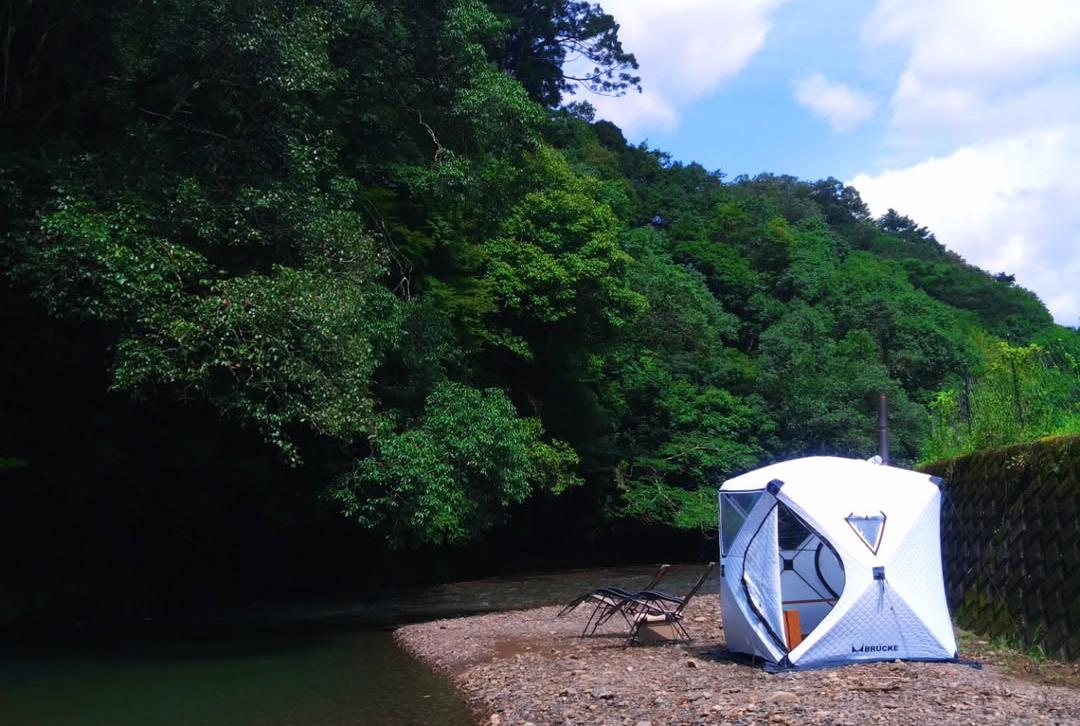
There are also plenty of activities that make the most of this abundant environment. You can enjoy fishing for rainbow trout and landlocked salmon in the hand-made fish pond. There’s also a tent sauna on the banks of the river, enabling you to cool down in the clear streams in front of you once you’ve heated up—an indulgent experience for sauna-lovers.
There’s even a hand-built pizza oven and a fish/meat smoking machine, so you can take part in experiences that use all your senses: wood-chopping and cooking freshly caught fish and gibier in the open air right there and then.
Savor the “flavor of life” with all your senses: enjoy genshi-yaki and gibier on a charcoal fire
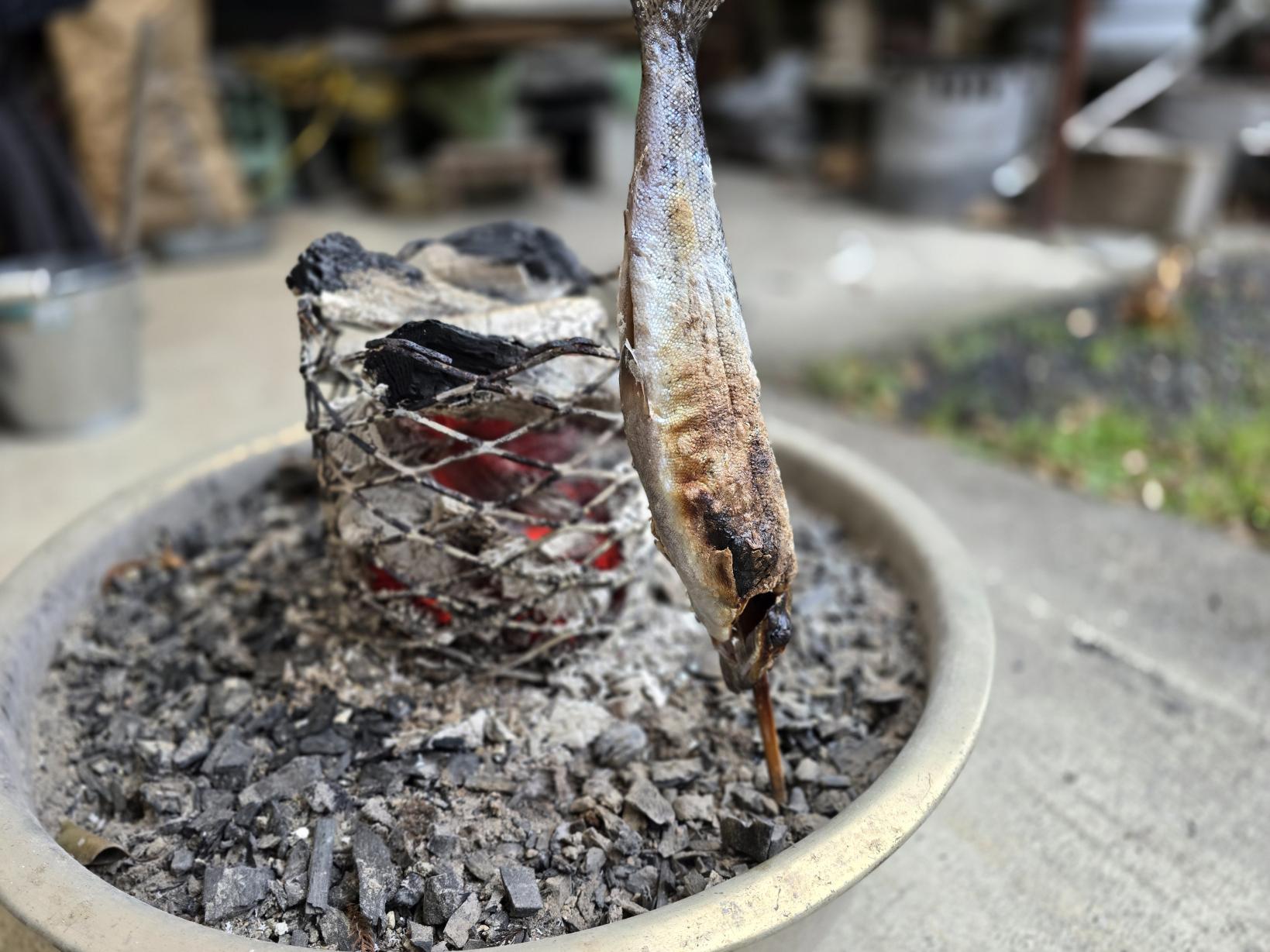
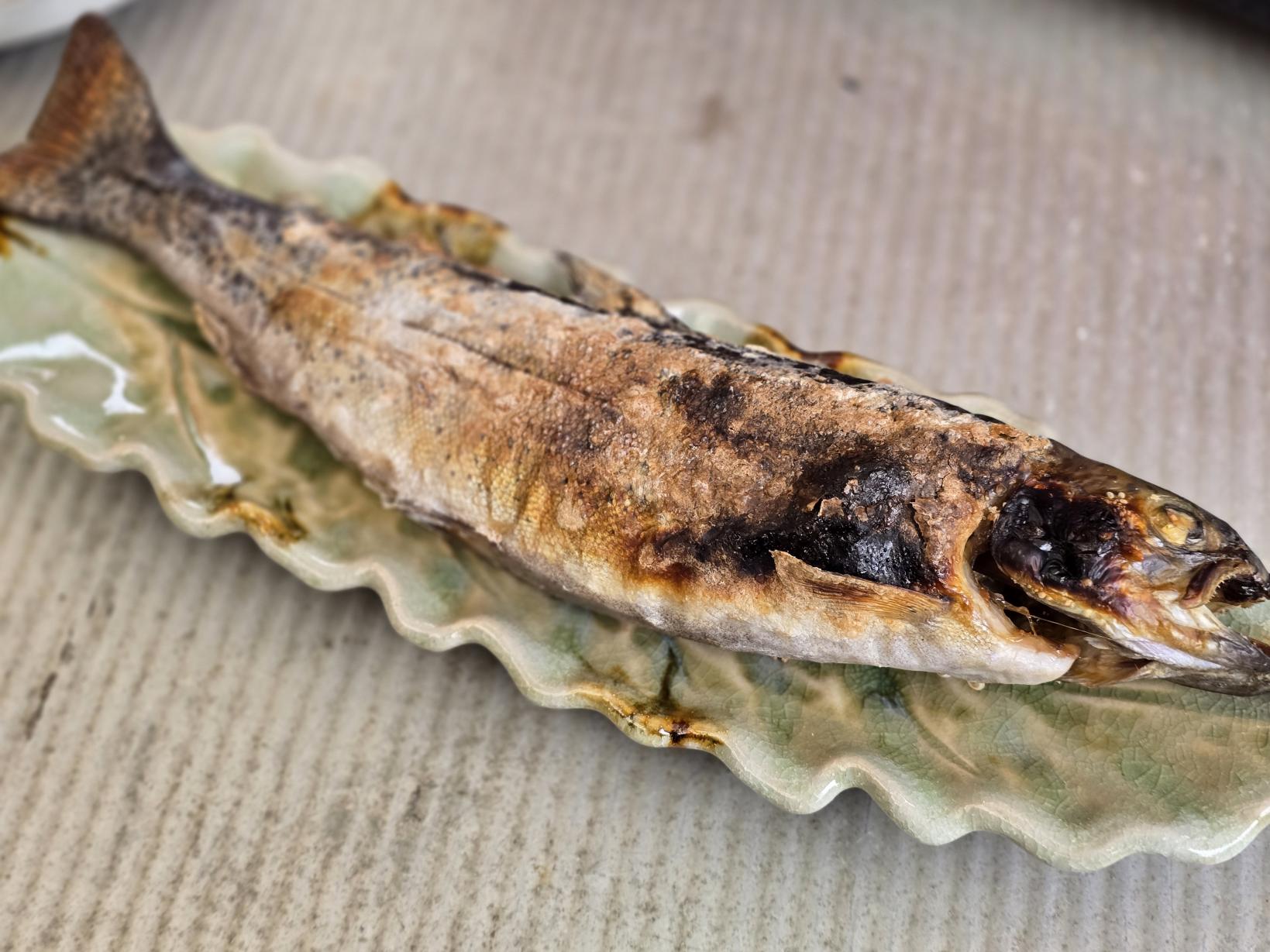
Mr. Natsuki showed me to the terrace of his farmhouse, where we cooked the rainbow trout I caught in the fishing pond by standing it upright around a charcoal fire—this is known as “genshi-yaki.” Apparently, this method uses far-infrared rays to cook the fish slowly.
The experience of cooking the fish they caught themselves right there and then is also very popular among children—and it’s easy to see why.
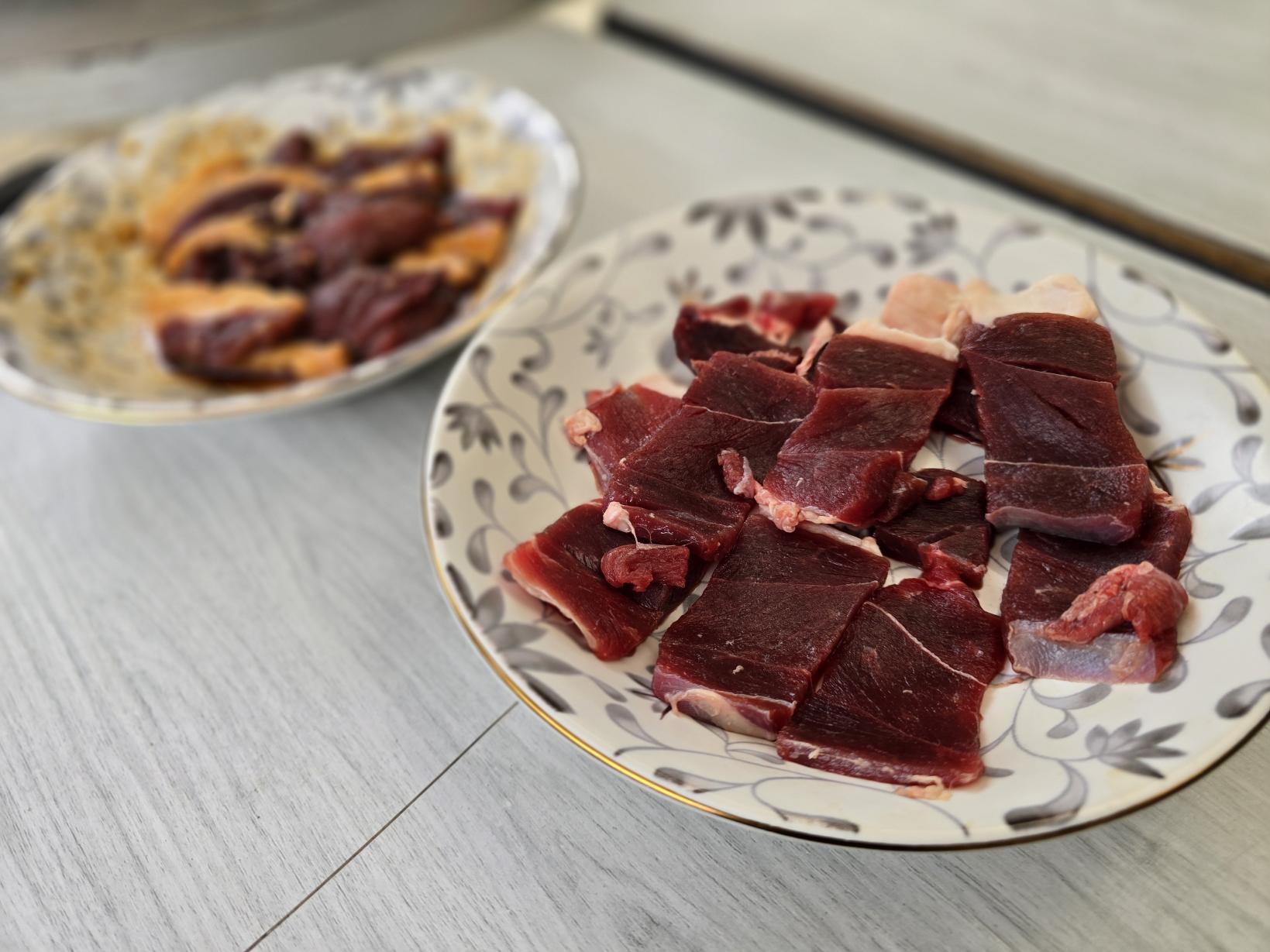
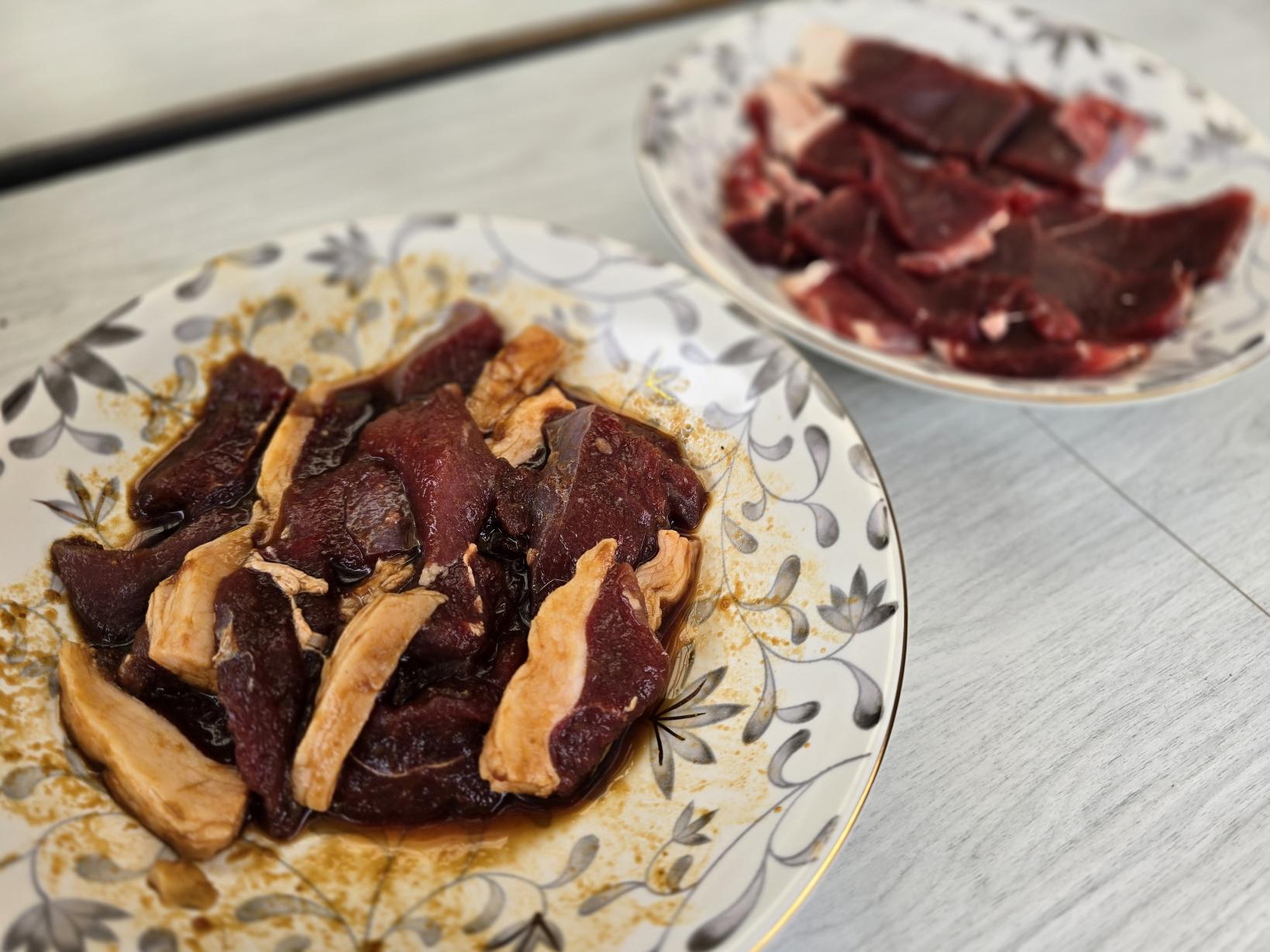
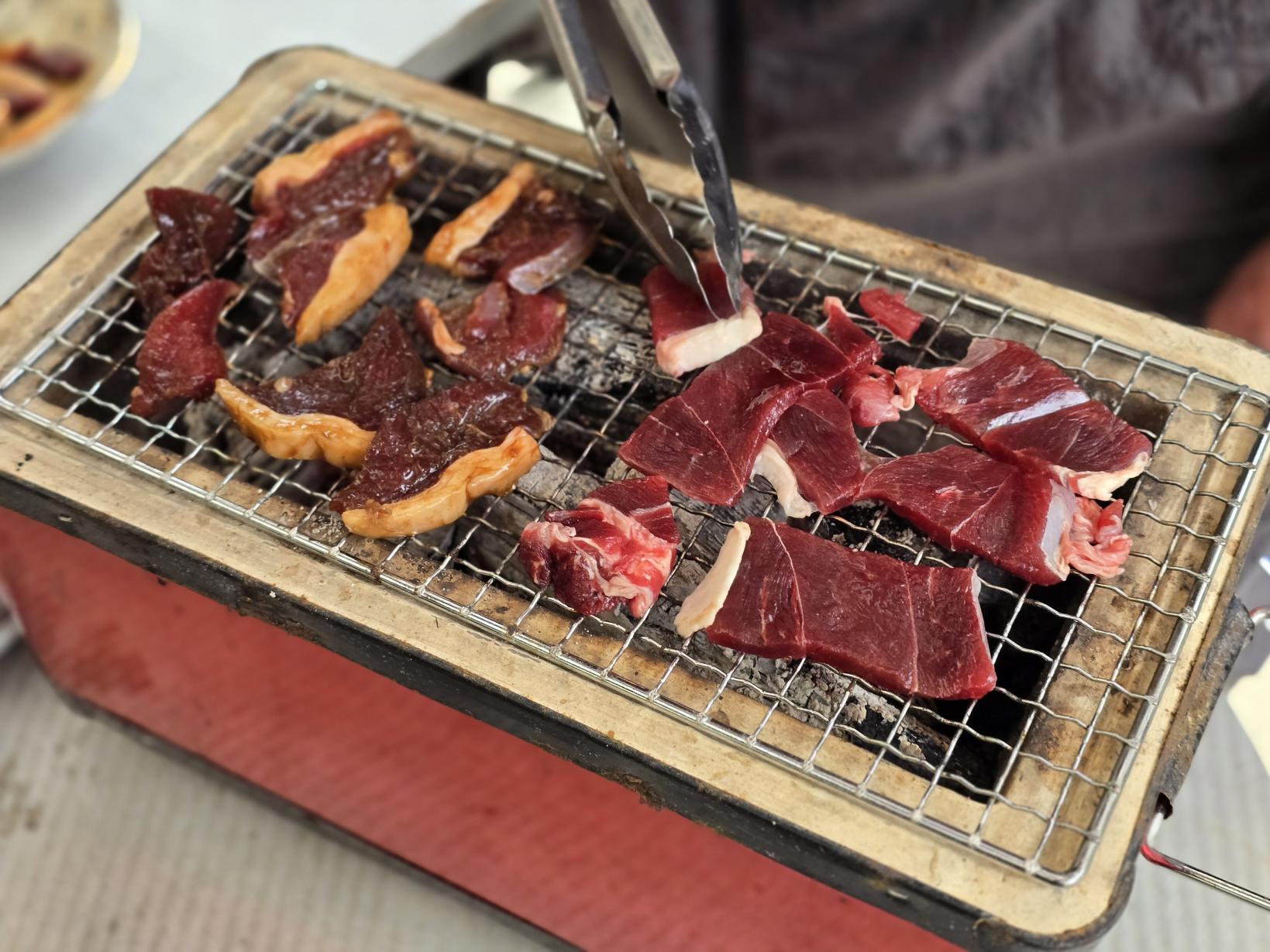
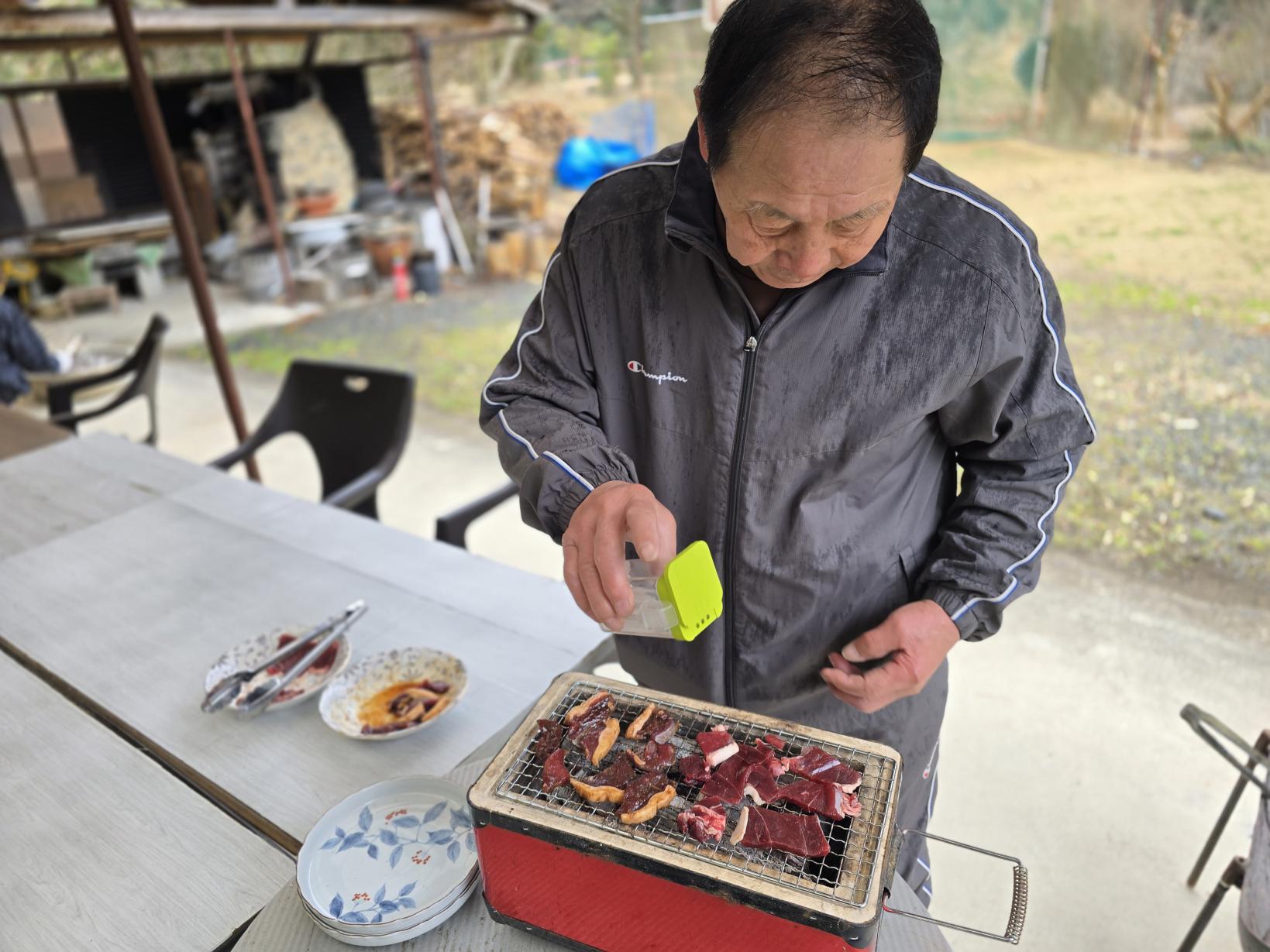
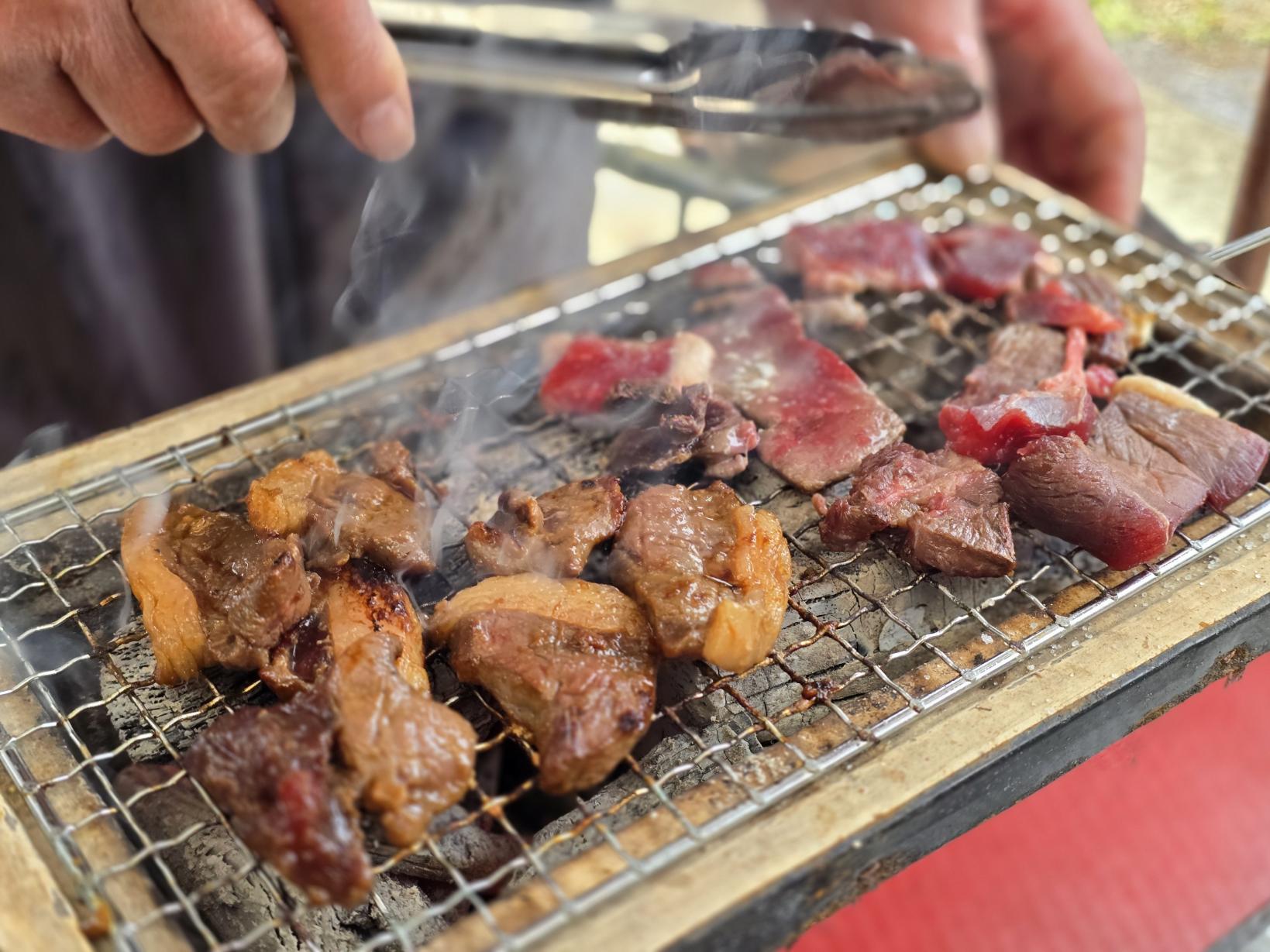
Next to this, the preparations for our gibier BBQ were advancing. The wild boar was grilled with salt, while the venison was marinated in a soy-based sauce.
“After all, wild boar is delicious with some simple salt. When it comes to the venison, marinating it in the BBQ sauce for around two hours before cooking makes sure just the right amount of flavor soaks in.”
Mr. Natsuki also generously roasted the wild boar meat and venison—which he said had been caught in box traps—on the charcoal fire, and the fragrant smoke was mouth-watering.
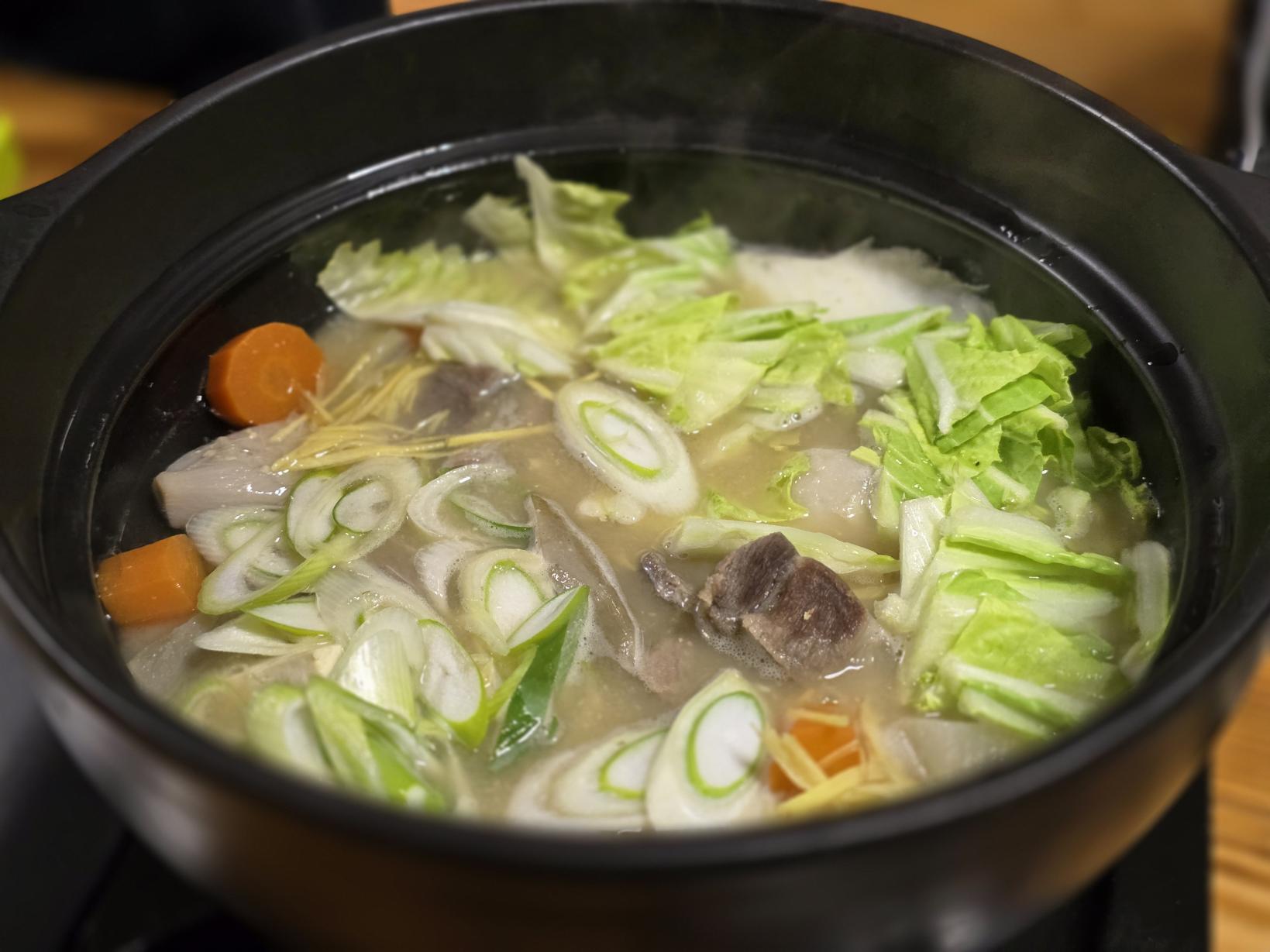
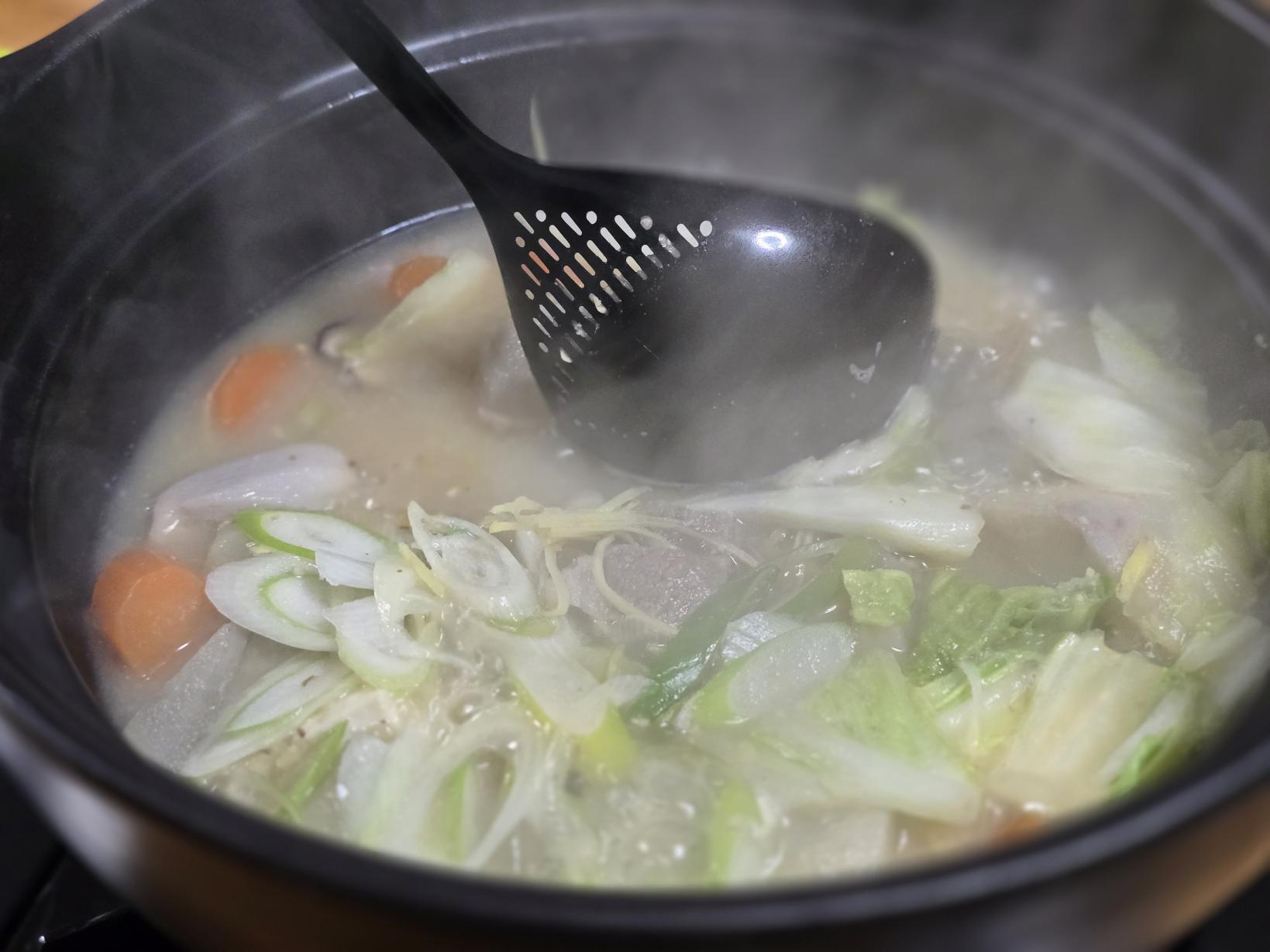
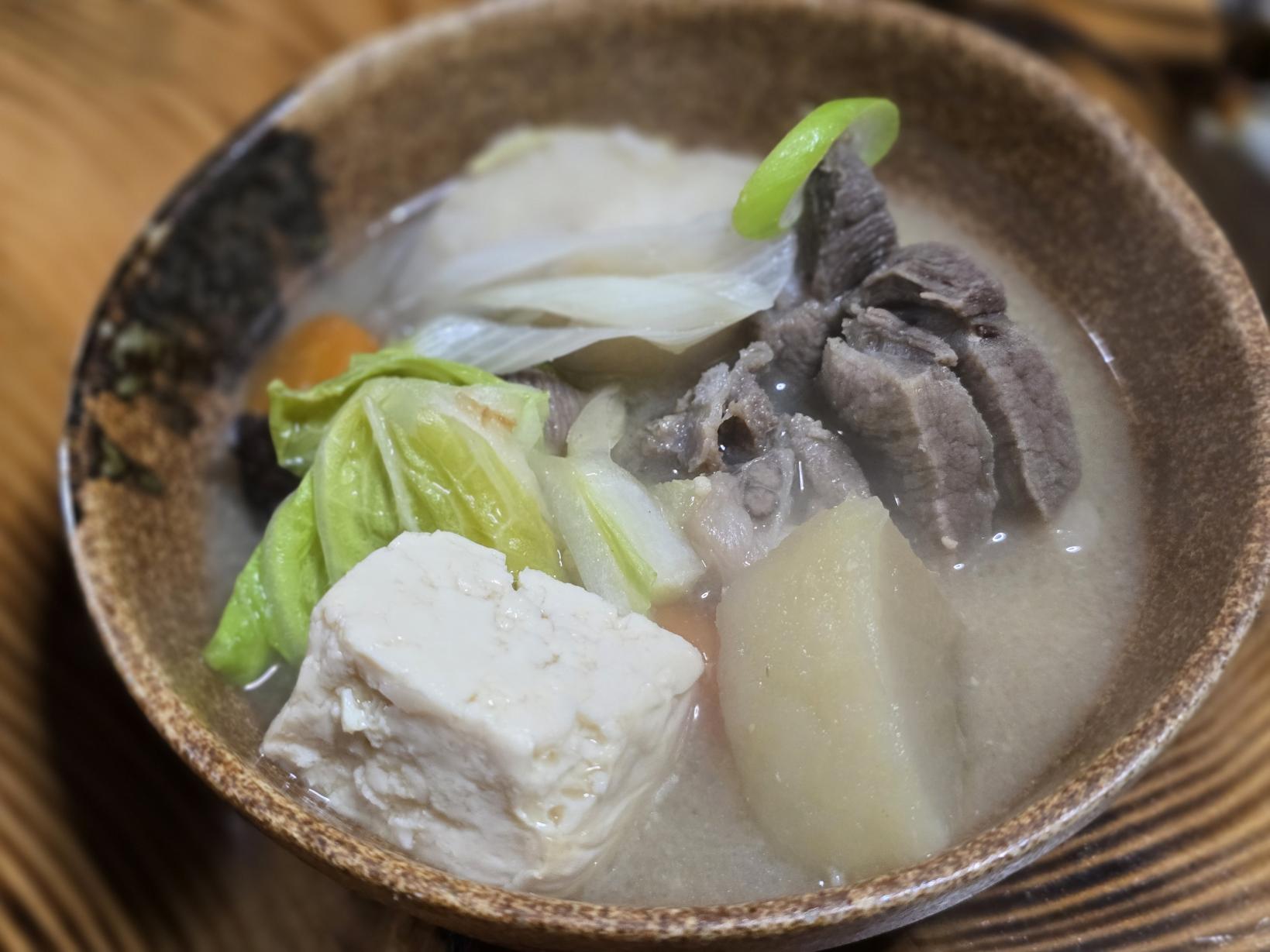
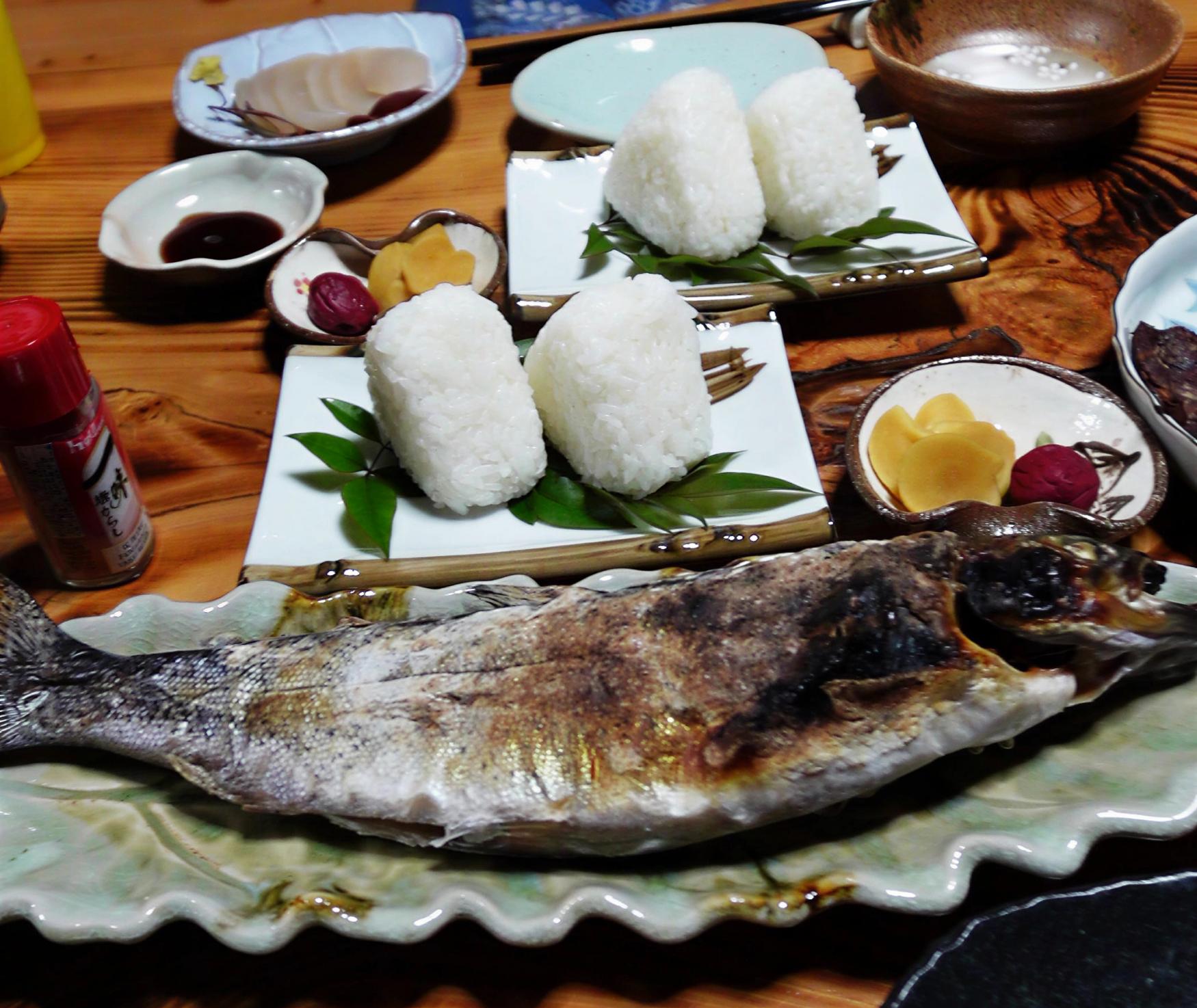
With the cooked gibier in hand, we headed into the farmhouse, where a delightful surprise was waiting. On the table, steaming away, lay a miso-based “shishi-nabe” wild boar hotpot. The rich soup, infused with ginger, contained plenty of cooked vegetables and wild boar meat, and the delicious taste spread right through my cold body.
After cooking for at least 30 minutes, the skin of the rainbow trout was crisp and its meat was soft. It was a large fish, around 30 centimeters long, but I had a good appetite and it was gone before I knew it.
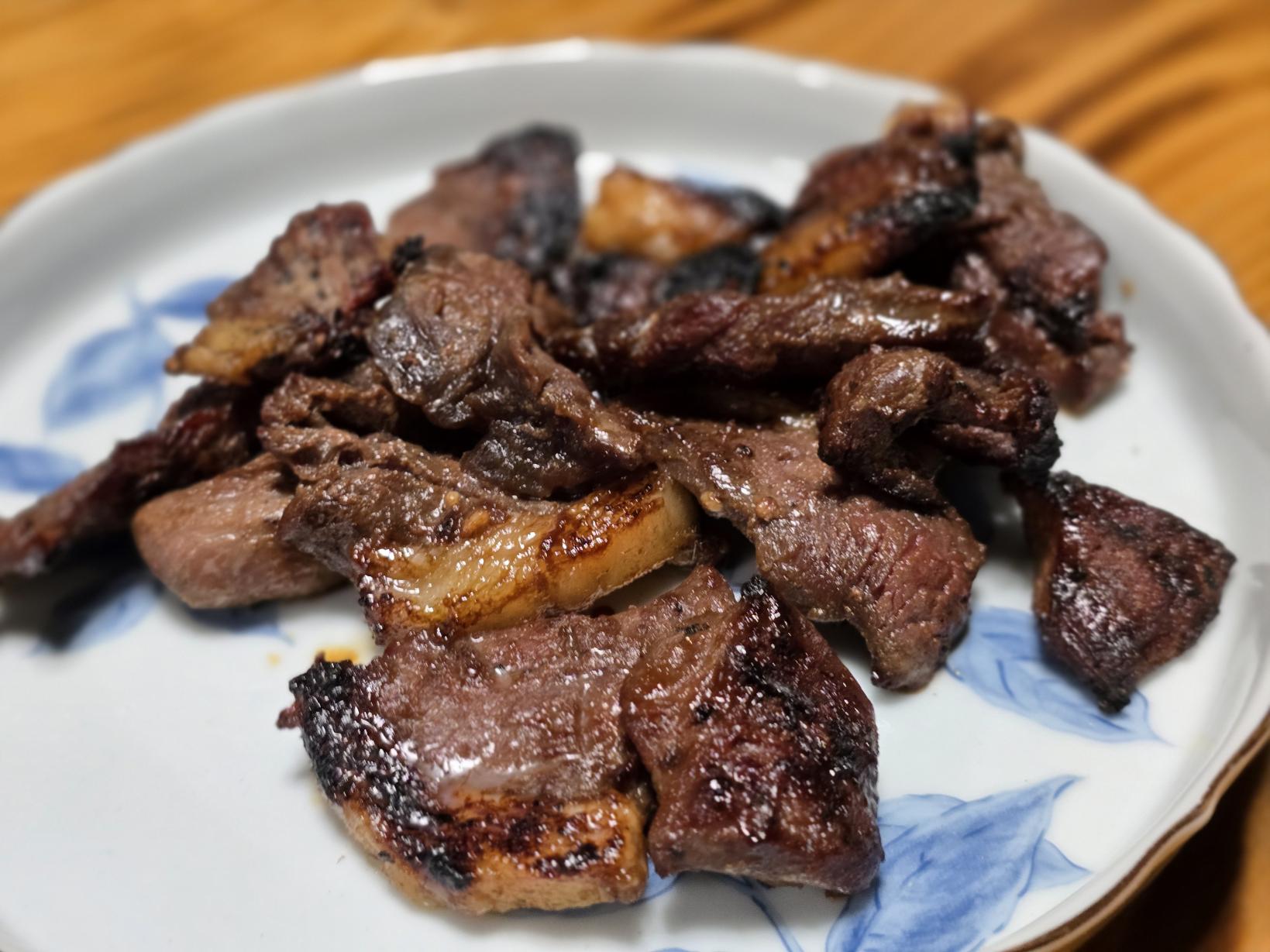
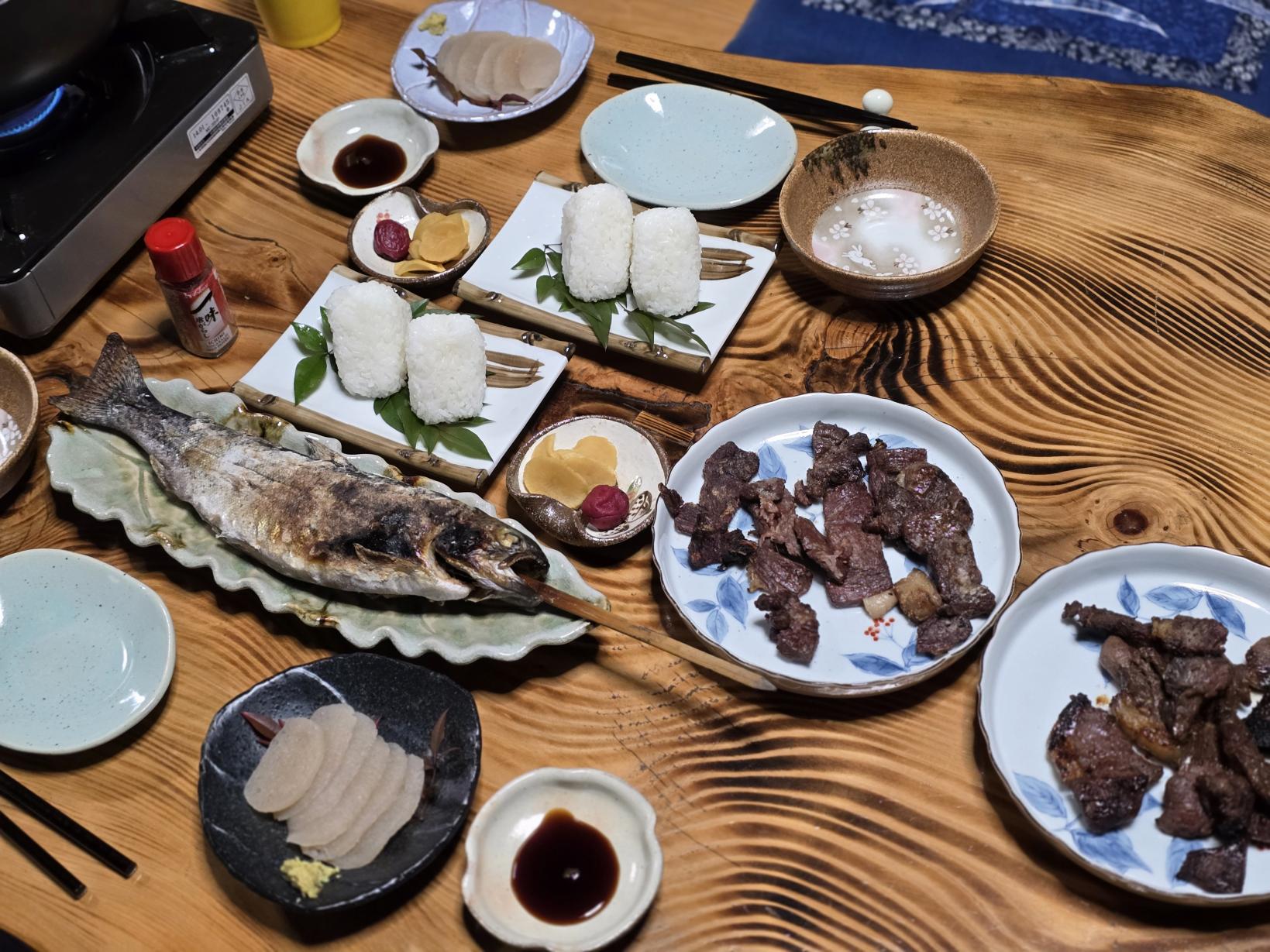
The wild boar cooked on the charcoal fire had a simple salty taste that highlighted the sweetness of the fat, while the venison, soaked in a specially made sauce, was as tender as true high-class red meat.
“Odor? There’s absolutely none, because draining the blood is what matters most in gibier,” Mr. Natsuki declared, and this is backed by his thorough freshness management and preparations. Mr. Natsuki uses box traps to protect his fields and chestnut-tree-covered mountain, and told me that the important thing is “to capture the animals alive, and deal with them quickly.” When he finds an animal caught in a trap on his patrols, he kills them straightaway with a home-made spear so that they lose blood while their hearts are beating. This prevents the blood from circulating in the meat.
There’s also another step to preparing the meat. After the animal is butchered, Mr. Natsuki rubs and rinses the meat in running water.
“I put the meat in water and knead out any blood that remains in the blood vessels. This makes the meat white and clean, so there’s absolutely no odor even after it’s been frozen and defrosted.”
Mr. Natsuki is confident that this carefully prepared meat is all turned into the finest ingredients, telling me, “I do it all myself to make the ingredients even more delicious.” It’s thanks to such thorough processes that we can enjoy this natural bounty, only available here.
The “gibier cuisine” that I was served in the warm atmosphere of the farmhouse as I listened to stories from Mr. Natsuki’s time aboard ship and the tale of when he took down his first 100-kg wild boar offered me a truly indulgent experience that could only be savored here.
Get it at the michi-no-eki! Recommendations for a farm-stay BBQ
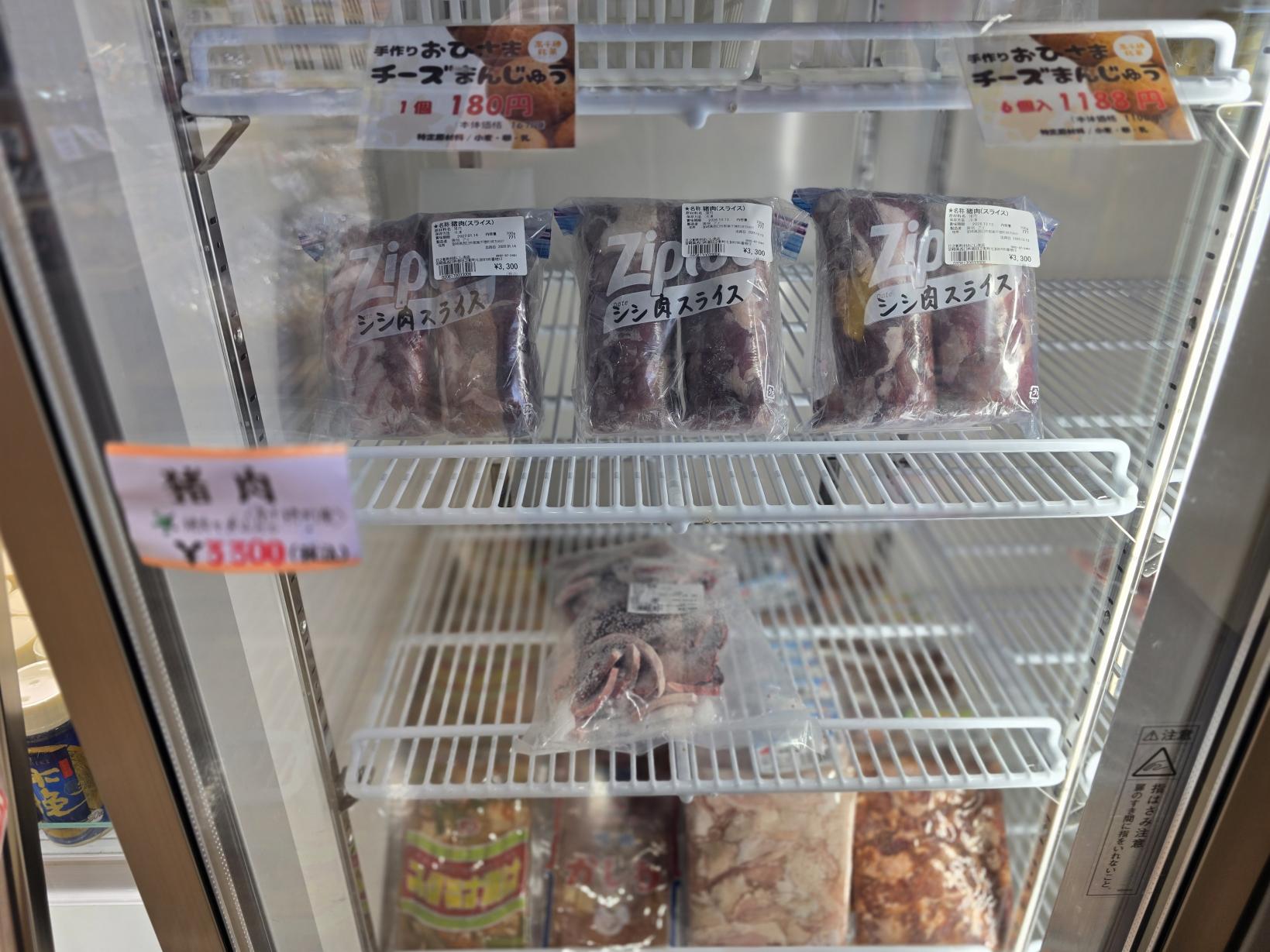
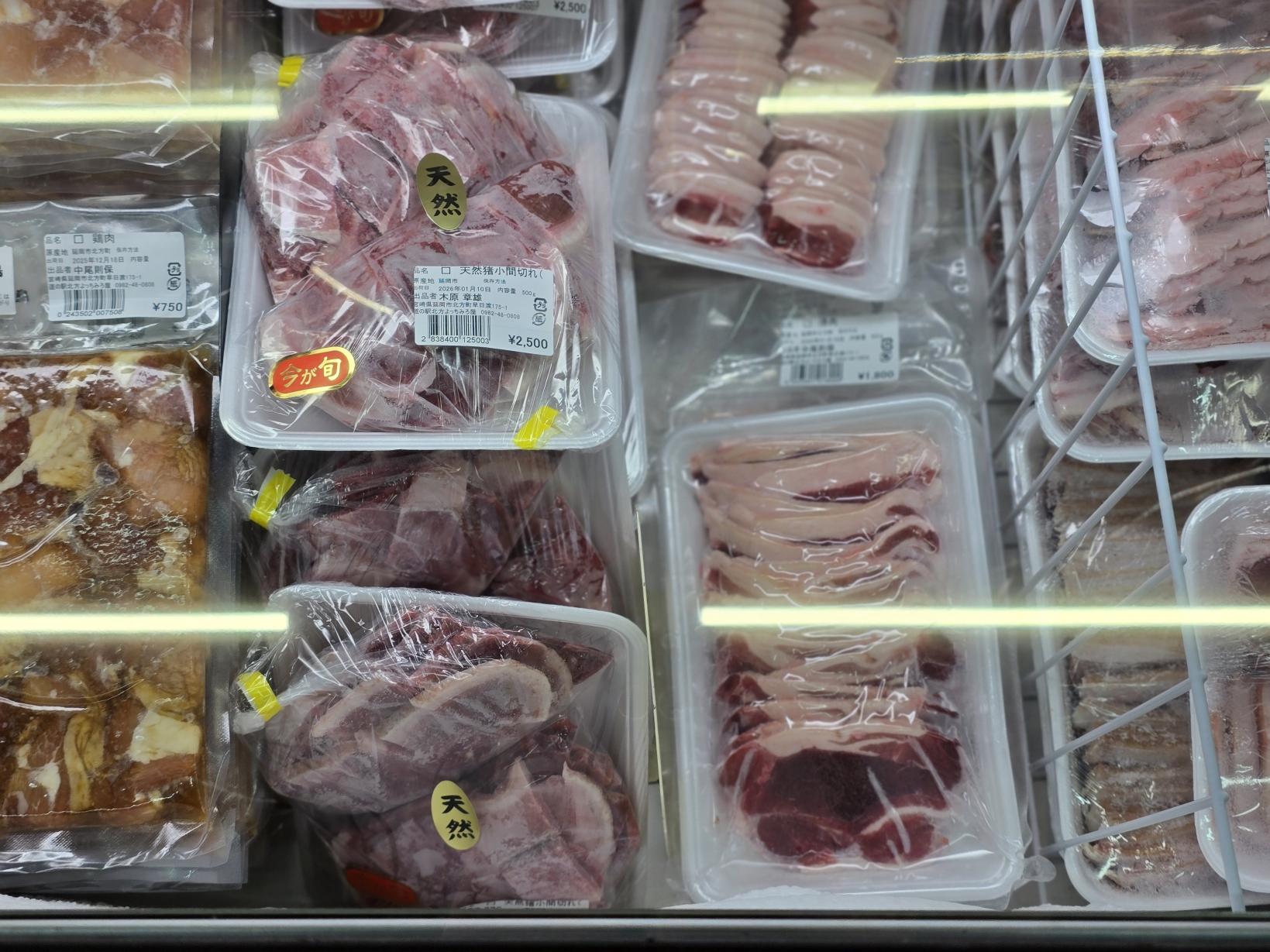
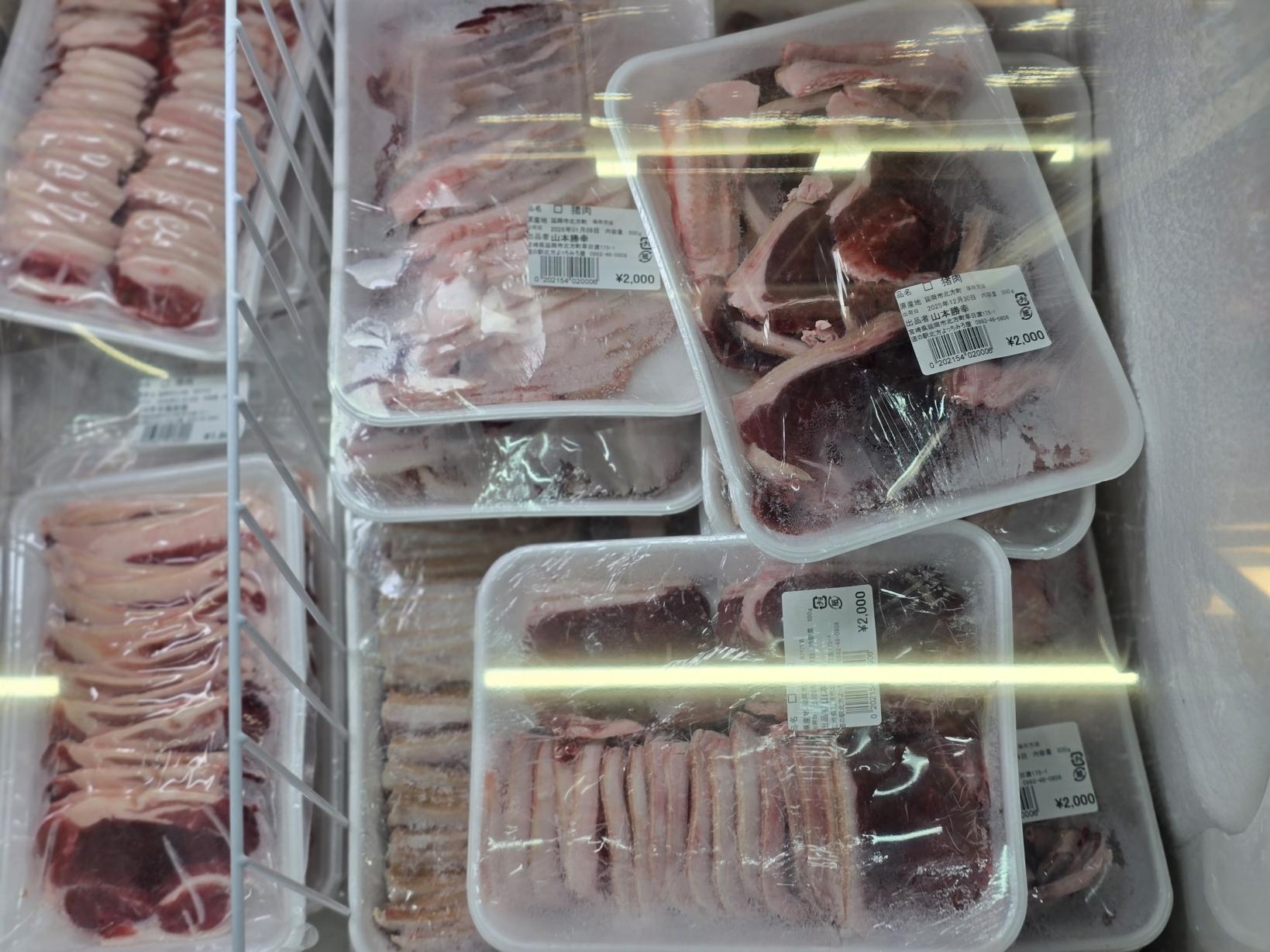
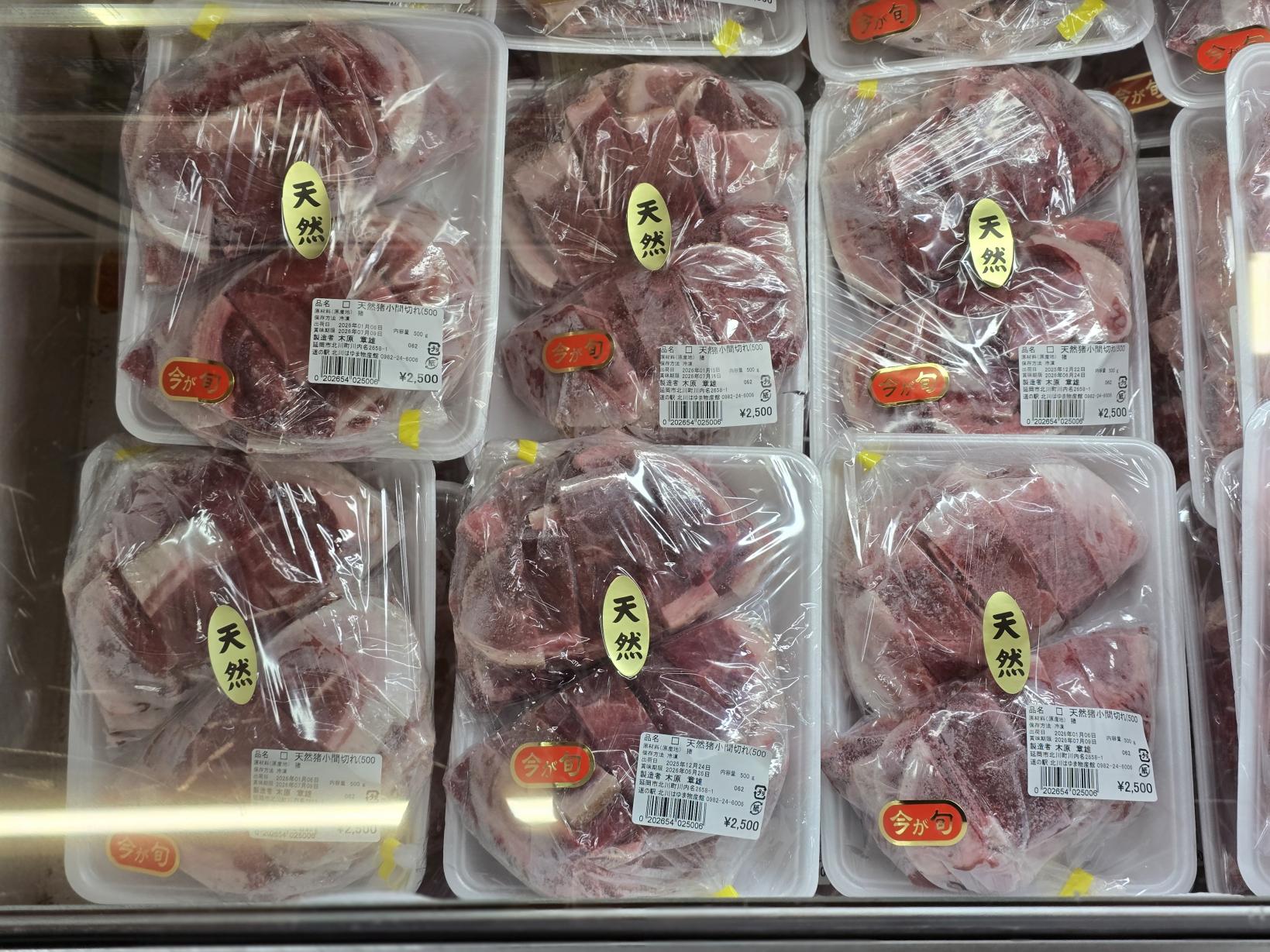
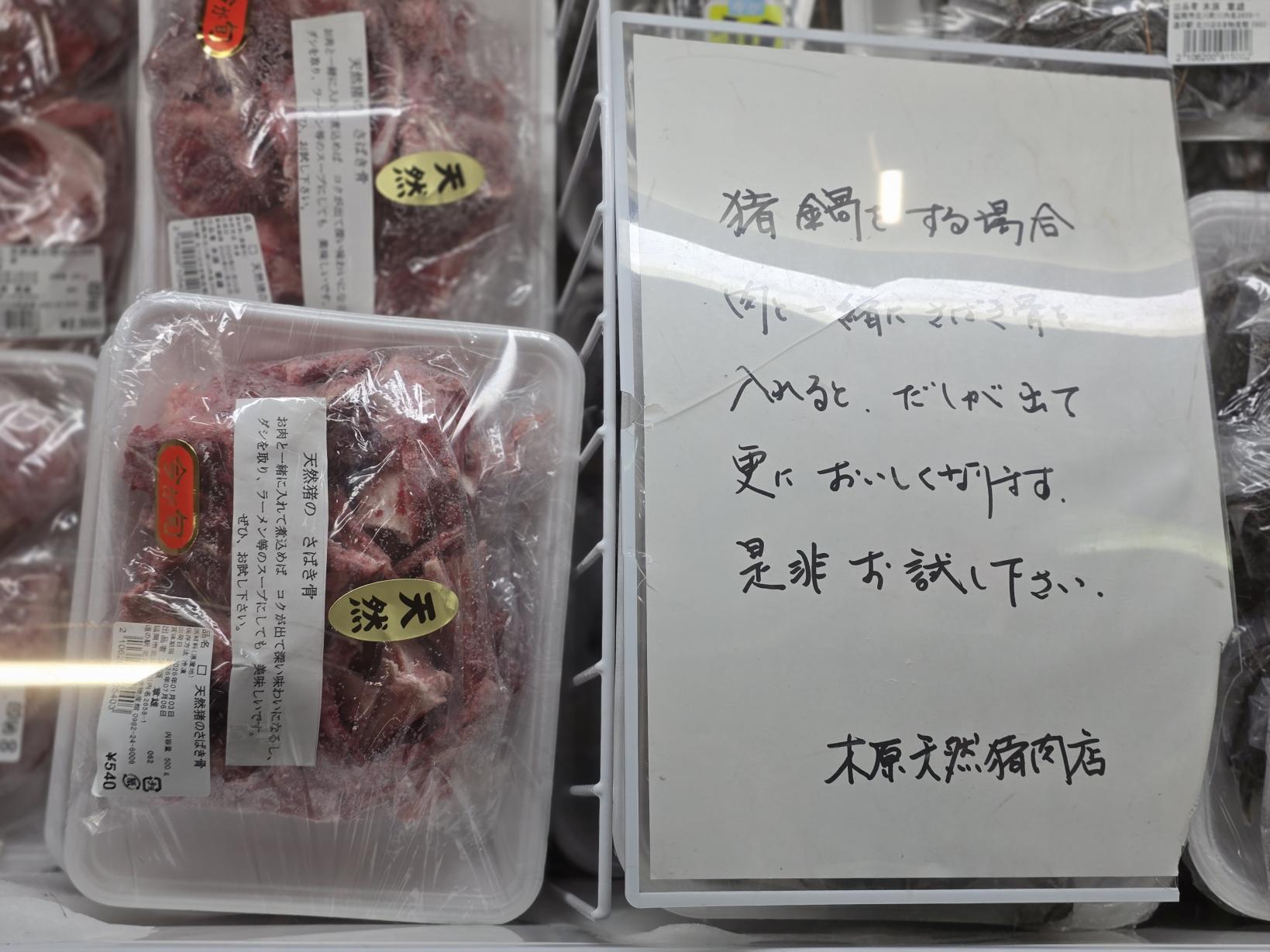
When it comes to making the most of your farm stay, there’s more than just being served meals at your accommodation. Lots of farm-stay facilities allow you to cook for yourself in the kitchen or have a barbecue in the garden. I suggest that you enjoy your accommodation by buying some fresh gibier meat at a michi-no-eki (roadside station) or farm shop on your way. Within the prefecture, there are plenty of facilities and farm shops that carefully handle and process animals brought in by hunters, so even members of the public can purchase gibier with ease.
You can also get wild boar, venison, and processed products in michi-no-eki in the area around Nobeoka: they sell frozen options such as pre-sliced meat for grilling (yakiniku), meat on the bone (sabaki-bone) for wild boar hotpot that makes for a rich broth, convenient sausages, and more.
Freezer packs are easy to carry when you’re traveling, and can be used instead of cool packs—if you also buy vegetables and shochu from the area at a local supermarket, you can enjoy a superb farm-stay BBQ with all the flavors of the region
Recommended Articles
-
Casual day-trip hot springs to enjoy in Miyazaki
-
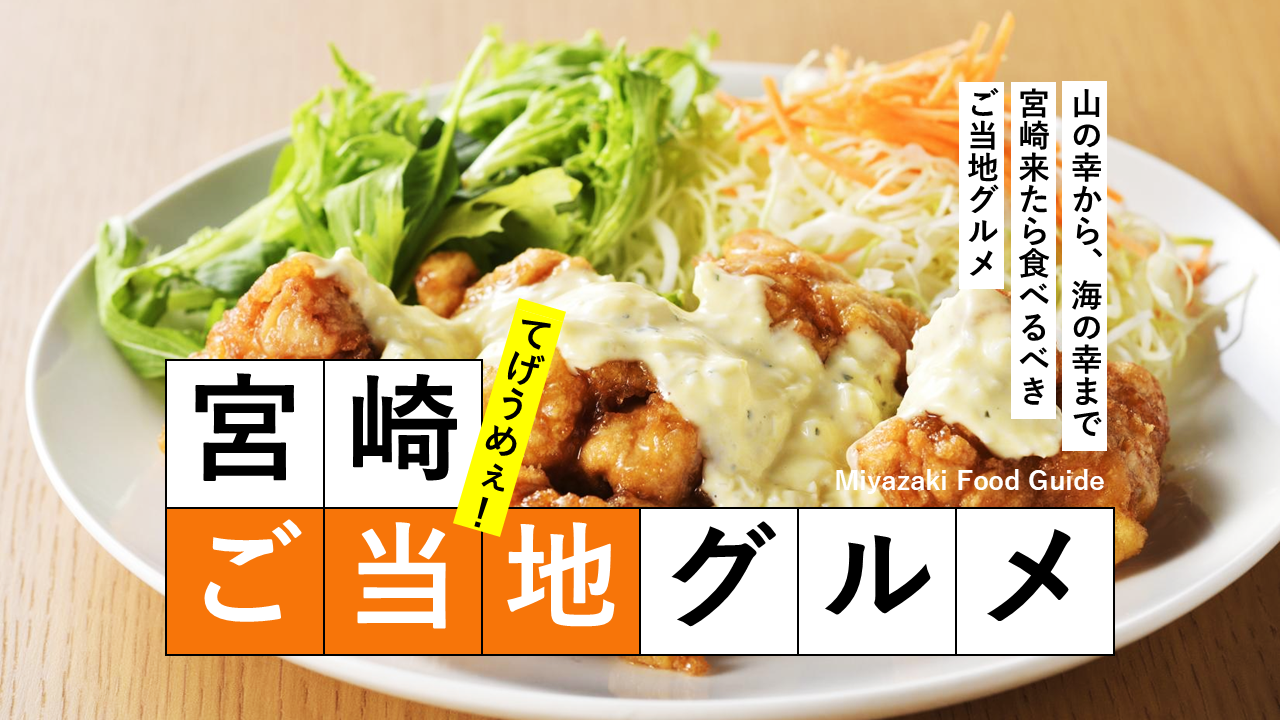
Mouthwatering cuisine you have to try in the cornucopia of Miyazaki
-
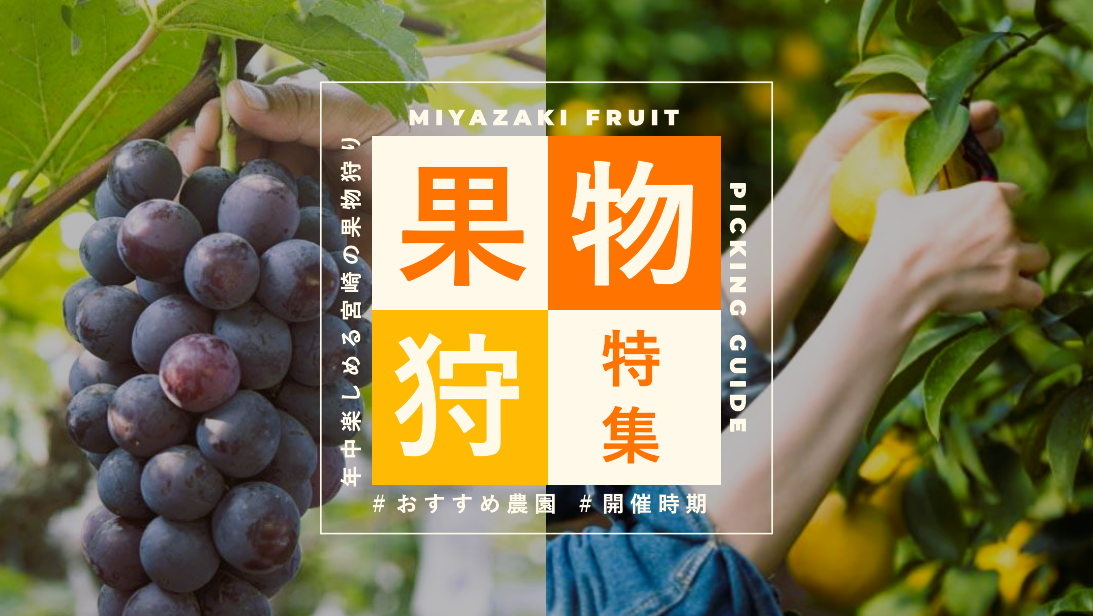
One classic way to enjoy Miyazaki is strawberry and tropical fruit picking!
-
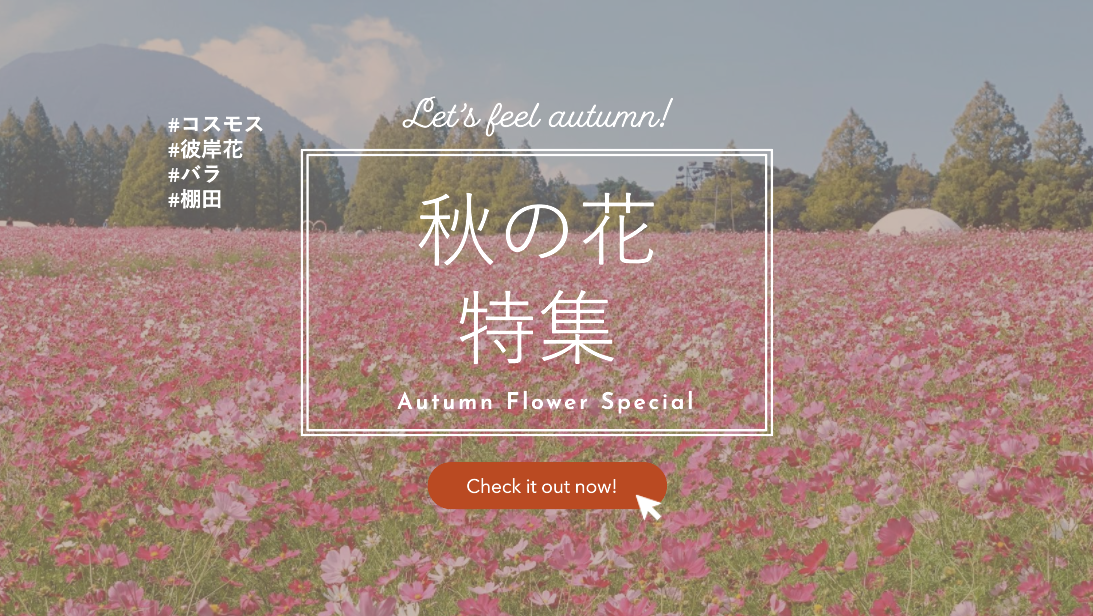
Take a tour of famous spots for seasonal flowers in Miyazaki! - Fall -
-
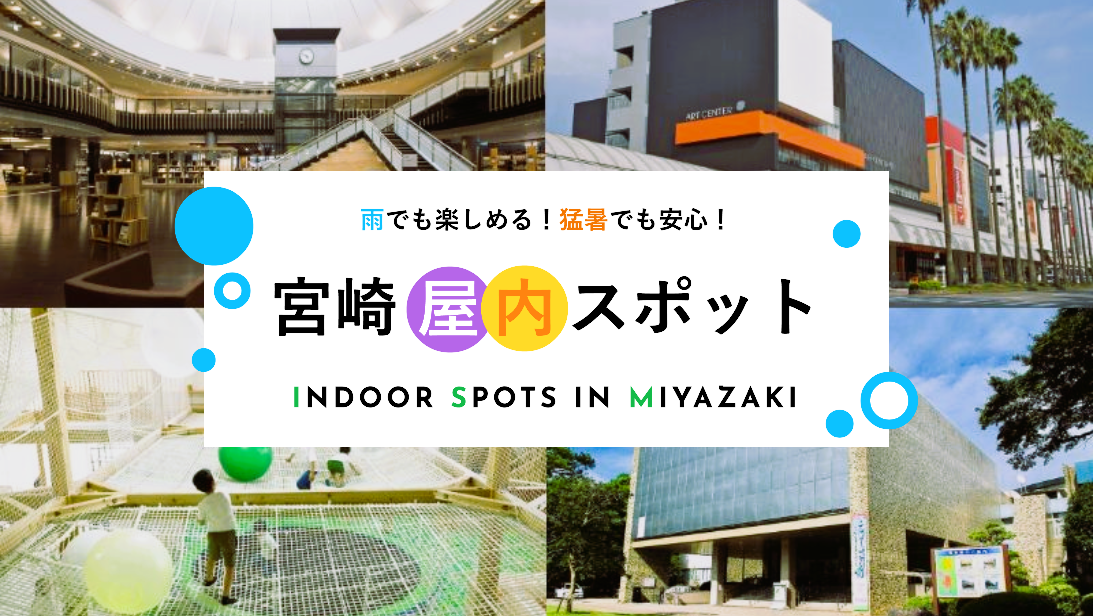
Indoor spots in Miyazaki you can enjoy on a rainy day
-
West Miyazaki is home to abundant nature and plenty of leisure destinations
-
Central Miyazaki is easily accessible from the airport and Miyazaki Station
-
Southern Miyazaki, a land rich in tropical charm
-
The power spots of northern Miyazaki fuse dynamic nature with the myths of yore.
-
Enjoy local cuisine and discover great souvenirs! A list of roadside stations in Miyazaki Prefecture
-
Take a tour of famous spots for seasonal flowers in Miyazaki! - Winter -
-
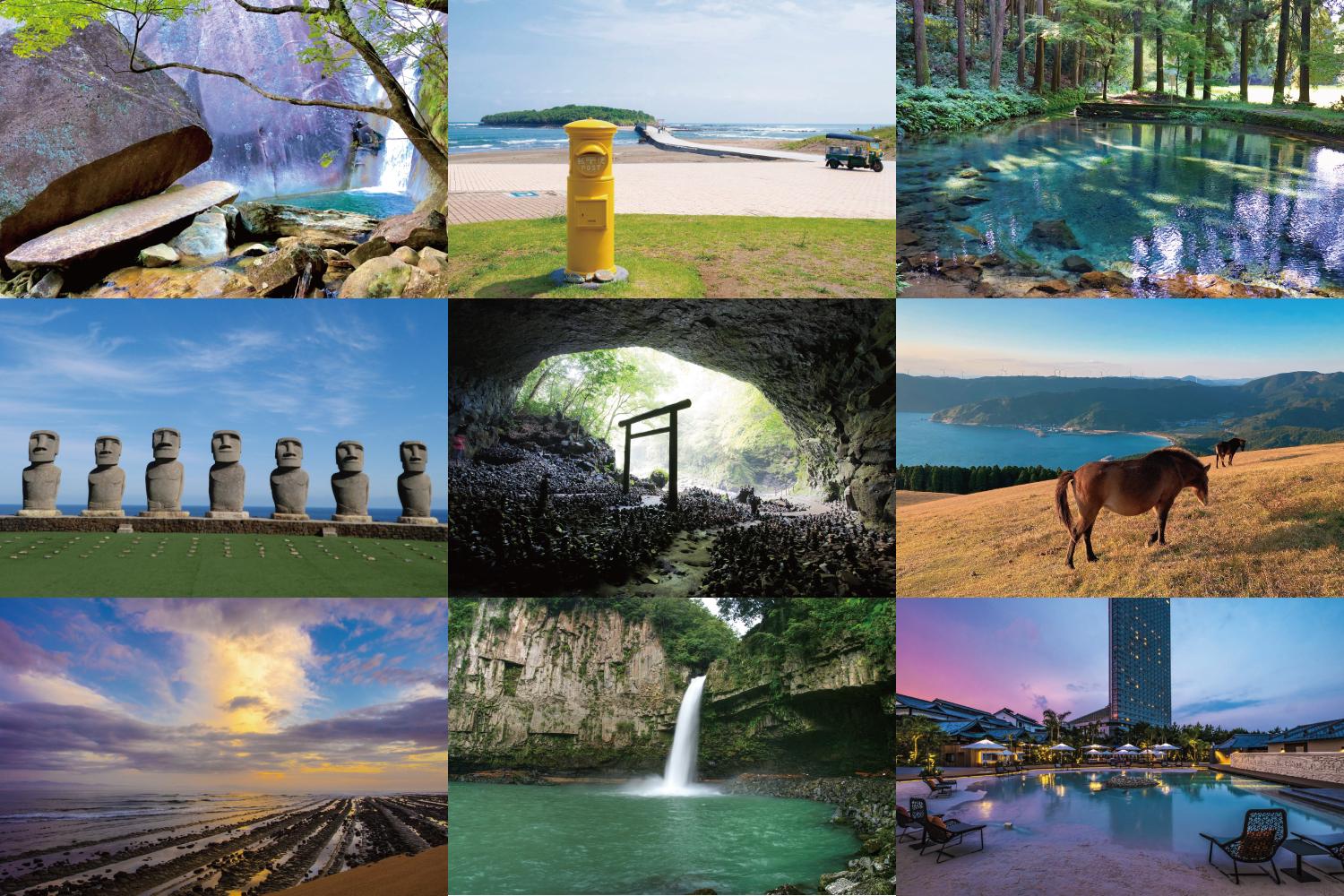
Photogenic spots in Miyazaki where you’ll just have to stop and take pictures
-
A guide to Miyazaki beaches and pools for your summer fun!
-
Take a tour of famous spots for seasonal flowers in Miyazaki! - Spring -
-
Take a tour of famous spots for seasonal flowers in Miyazaki! - Summer -
-
![[Experience Article] A trip to the town where the gods dance. Discovering the true faces of the people who perform the “Takachiho Kagura” through a farm stay-1](https://www.kanko-miyazaki.jp/storage/special_features/596/responsive_images/Jj1eM8CdOcrE0qpw7QCrutHT0tkX6C2dLAIejKKC__1800_1200.jpg)
[Experience Article] A trip to the town where the gods dance. Discovering the true faces of the people who perform the “Takachiho Kagura” through a farm stay
-
Explore More! Travel Miyazaki by Bus & JR
-
![[A first-time farm stay] Experiencing everyday life in an old farmhouse! Farm-stay experience report: Minpaku Kokokyan-1](https://www.kanko-miyazaki.jp/storage/special_features/600/responsive_images/o42zLQemLlfZNpwuwXIbhKYU8t4JoOjCimsvswMu__1800_1200.jpg)
[A first-time farm stay] Experiencing everyday life in an old farmhouse! Farm-stay experience report: Minpaku Kokokyan
-
Freshly caught excitement! Enjoy fixed net fishing during a farm stay in Miyazaki
-
A harvesting experience in Miyazaki! Our 8 chosen experience itinerates in farm-stay facilities where you can savor the bounties of the earth