



![[Experience Article] A trip to the town where the gods dance. Discovering the true faces of the people who perform the “Takachiho Kagura” through a farm stay-0](https://www.kanko-miyazaki.jp/storage/special_features/596/responsive_images/Jj1eM8CdOcrE0qpw7QCrutHT0tkX6C2dLAIejKKC__1800_1200.jpg)
[Experience Article] A trip to the town where the gods dance. Discovering the true faces of the people who perform the “Takachiho Kagura” through a farm stay
When darkness falls, the sounds of flutes and taiko drums resound in Takachiho-jinja Shrine. The Takachiho Kagura, a traditional dance performed every night, condenses the essence of a national Important Intangible Folk Cultural Property into one hour, inviting visitors into a world of myth and legend. The people who dance on the stage are local residents known as “hoshadon,” who actually work as office workers or farmers during the day. This time, I stayed in a farm guesthouse run by some hoshadon. I wrote this report about the “living myths” that reside in Takachiho, part of a UNESCO Biosphere Reserve, from the perspectives of both Kagura for tourism and everyday life in the satoyama environment that supports this.
A gateway to myth: the Takachiho Kagura that is performed every night
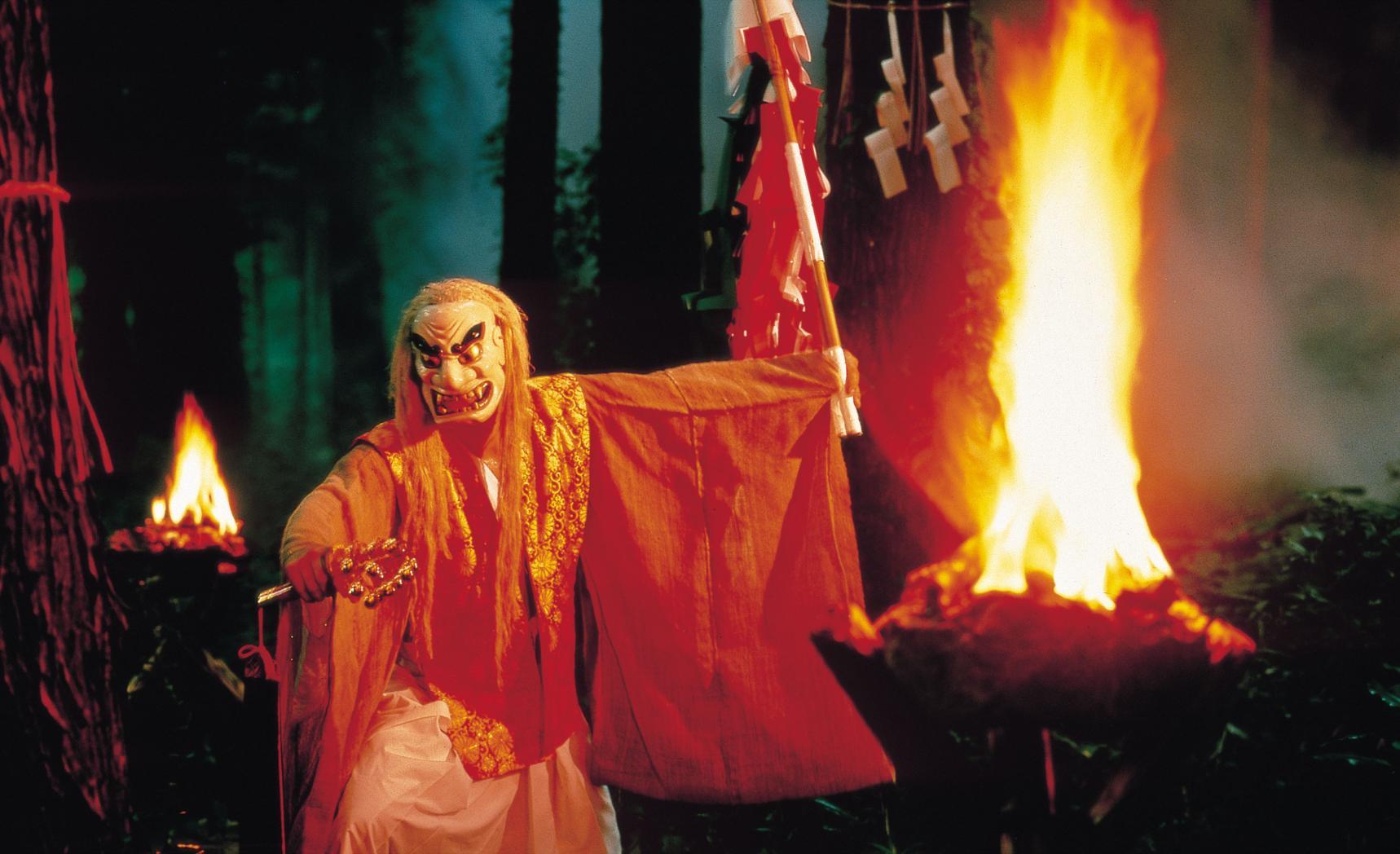
This is Takachiho Town in Miyazaki Prefecture. When winter comes here each year, people from the community enthusiastically perform a mysterious Shinto ritual: the Takachiho Yokagura (“Takachiho Evening Kagura”). The showy dances you see in the sightseeing brochures are only part of this. The real form of this kagura dance is an all-night ritual performed in around 15 communities within the town from mid-November to the start of February each year. The community invite their guardian deities into private homes and public buildings known as “kagura yado” and continuously offer 33 dances, performed from the evening to just before noon the following day. The gods and the people spend the night under the same roof, eating and drinking together. For the farming families, this festival is the culmination of the year, expressing gratitude for the autumn harvest and praying for abundant crops in the following year.
But there are tourists who find it difficult to visit within this limited time period. Wanting them to experience the spirit of this “town of myth,” Takachiho condensed a representative program into a single hour, and a public performance of this is given at Takachiho-jinja Shrine every night from 8:00 pm. In order to see this Yokagura that is so deeply rooted in the local area, I made the decision to stay the night in a farm guesthouse (a farm stay) rather than a hotel.
The true faces of the farmers who dance as gods. At night, they become divine representatives!
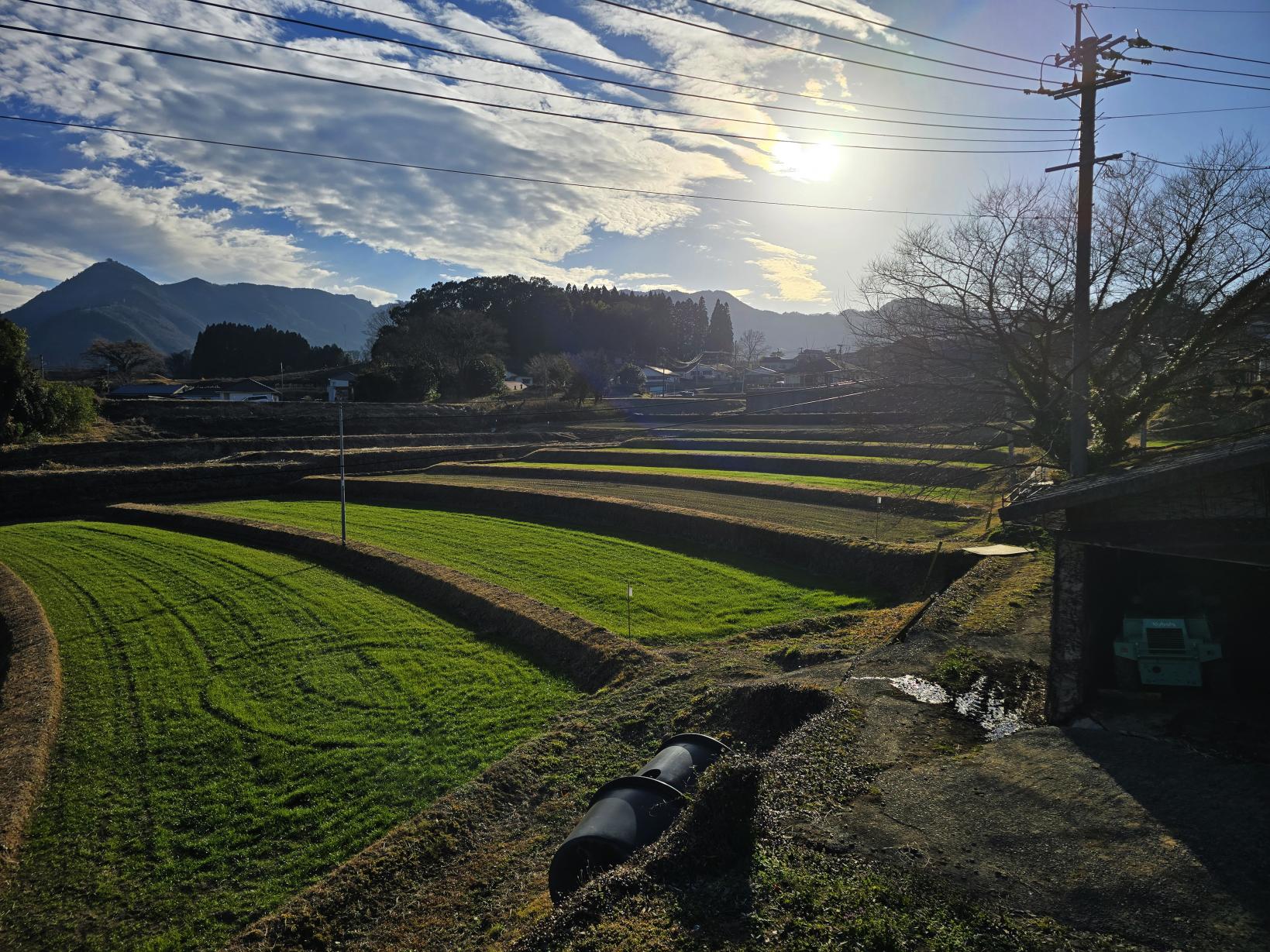
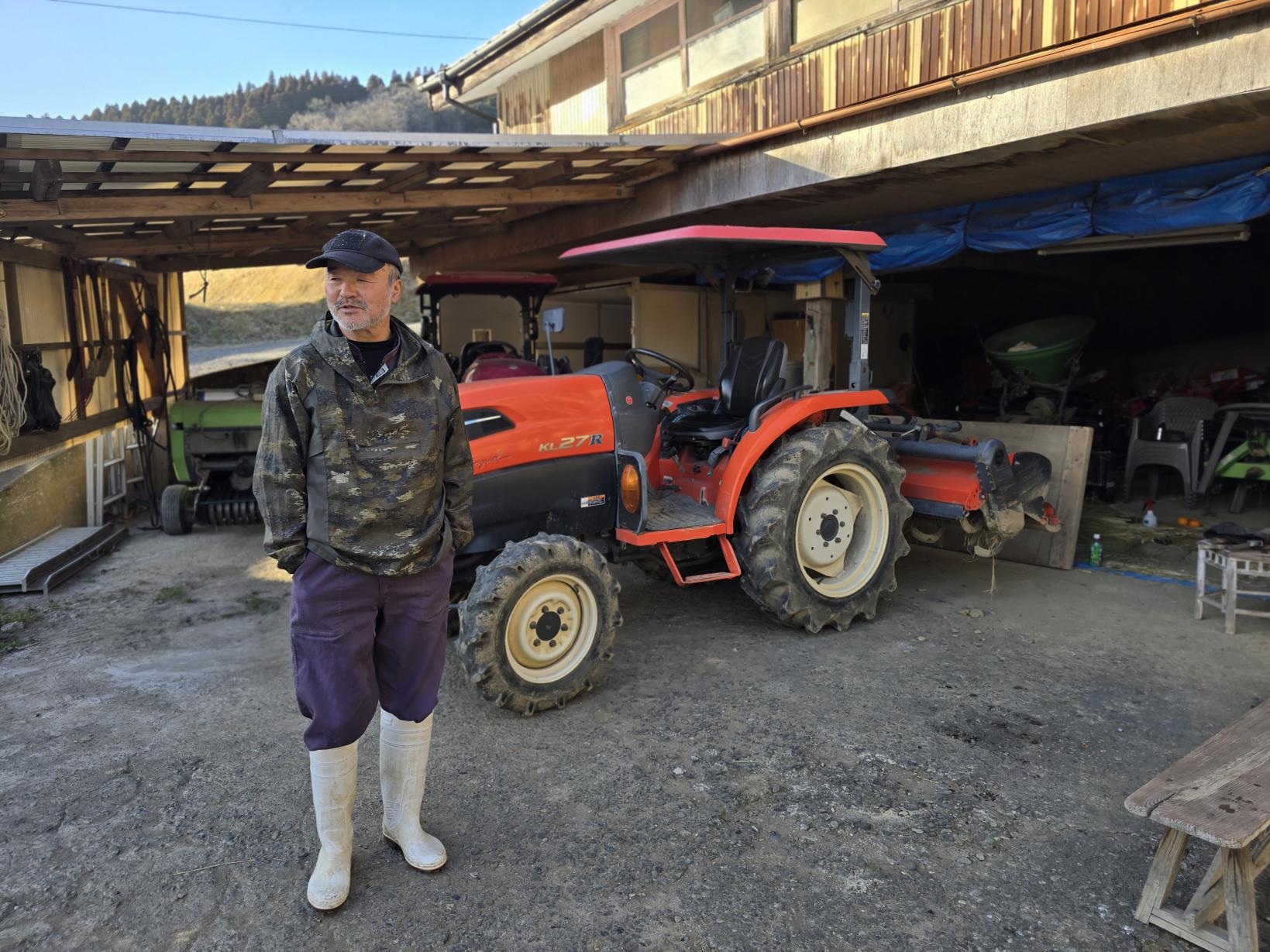
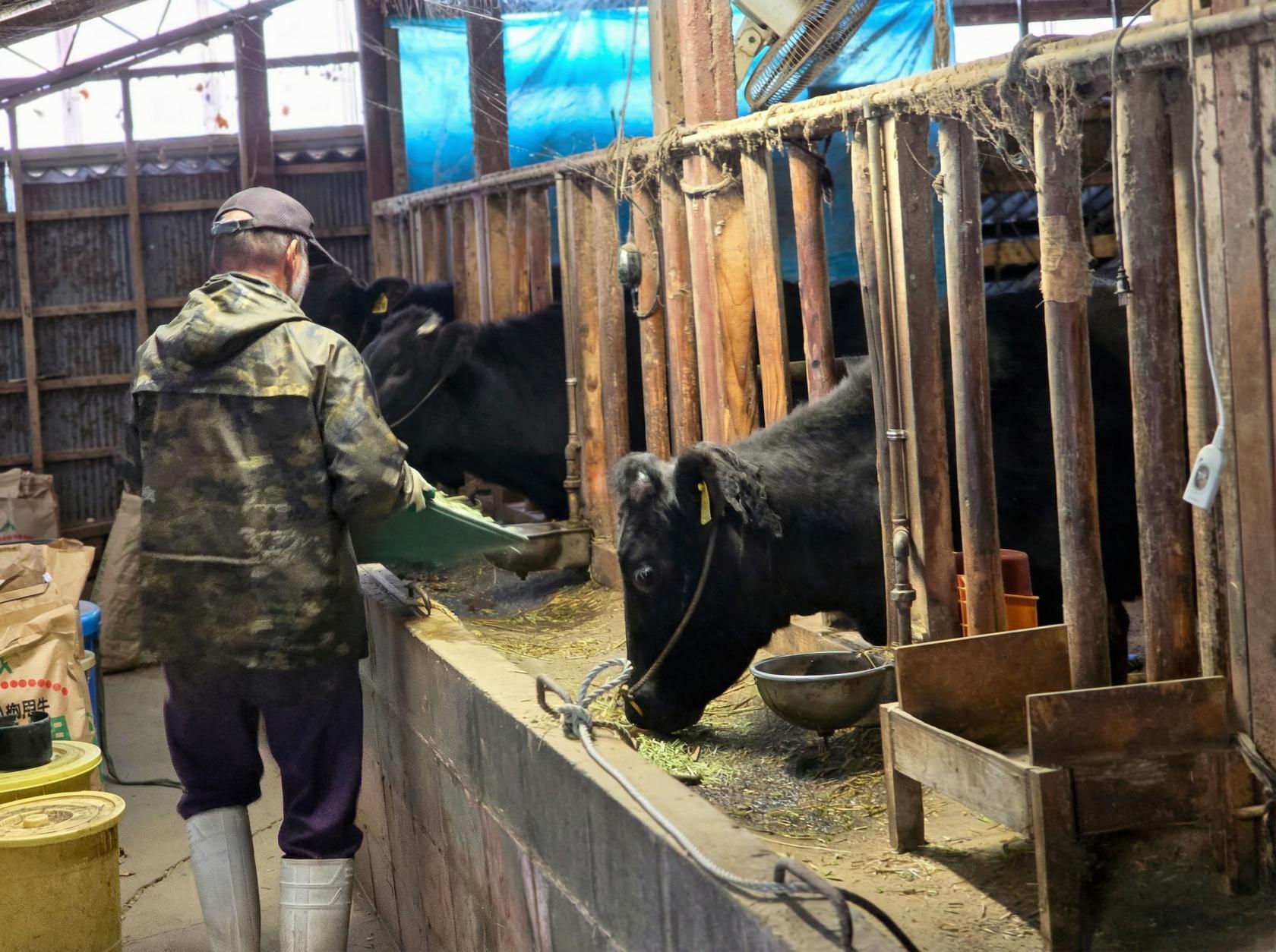
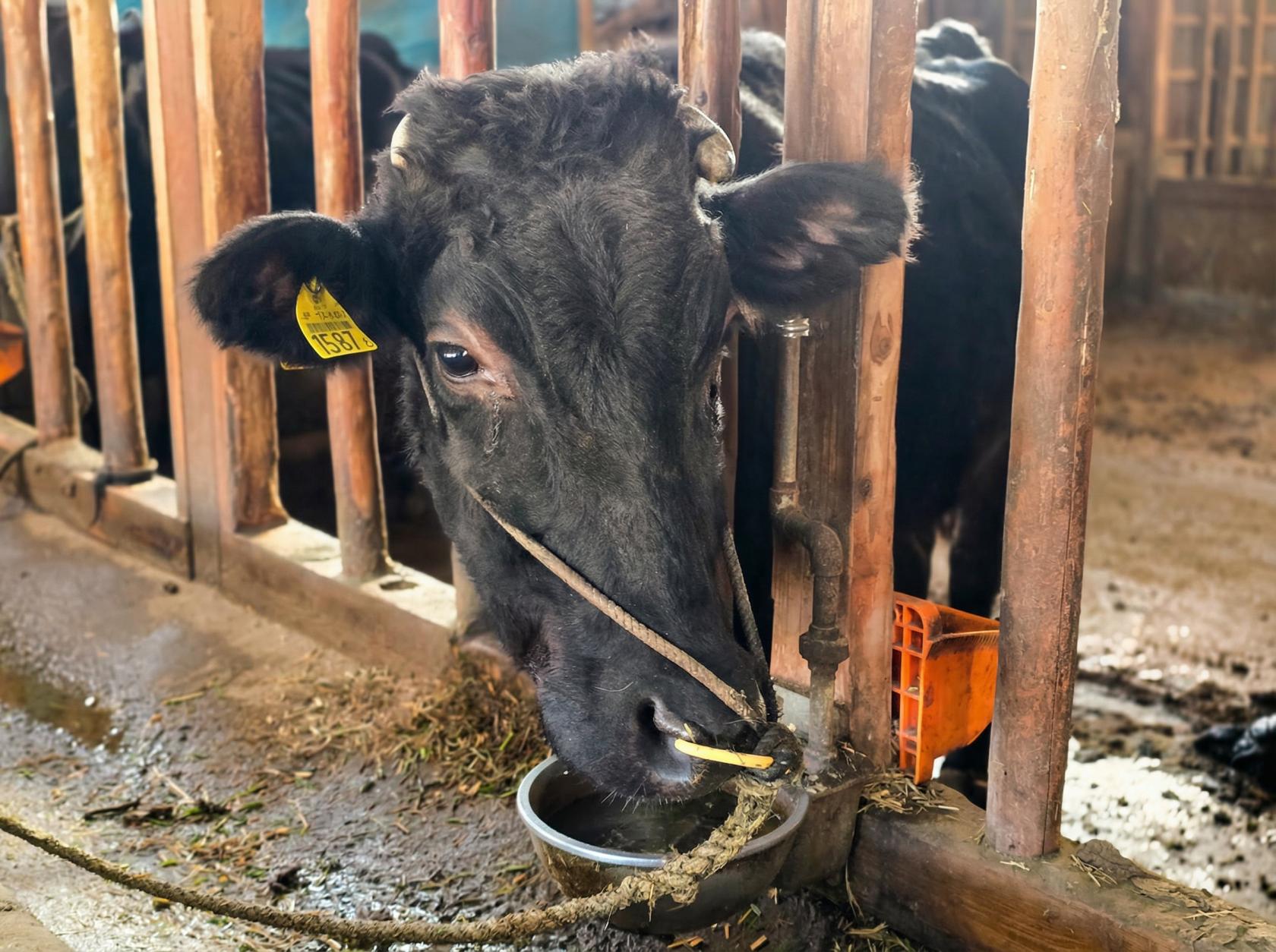
I crossed the mountains of Takachiho and arrived at the farm guesthouse, standing in a community with a spread of beautiful terraced rice fields, just as the slanting sunlight started casting long shadows over the paddies. I was welcomed by the owner, Norifumi Hashimoto, who is part of an active farming family that has engaged in agriculture here for generations. Mr. Hashimoto is part of an active farming family that has engaged in agriculture here—in a place designated as a Globally Important Agricultural Heritage System—for generations. They have continued to protect this stunning landscape and its expanse of terraced rice fields as they work to breed and fatten Takachiho beef cattle.
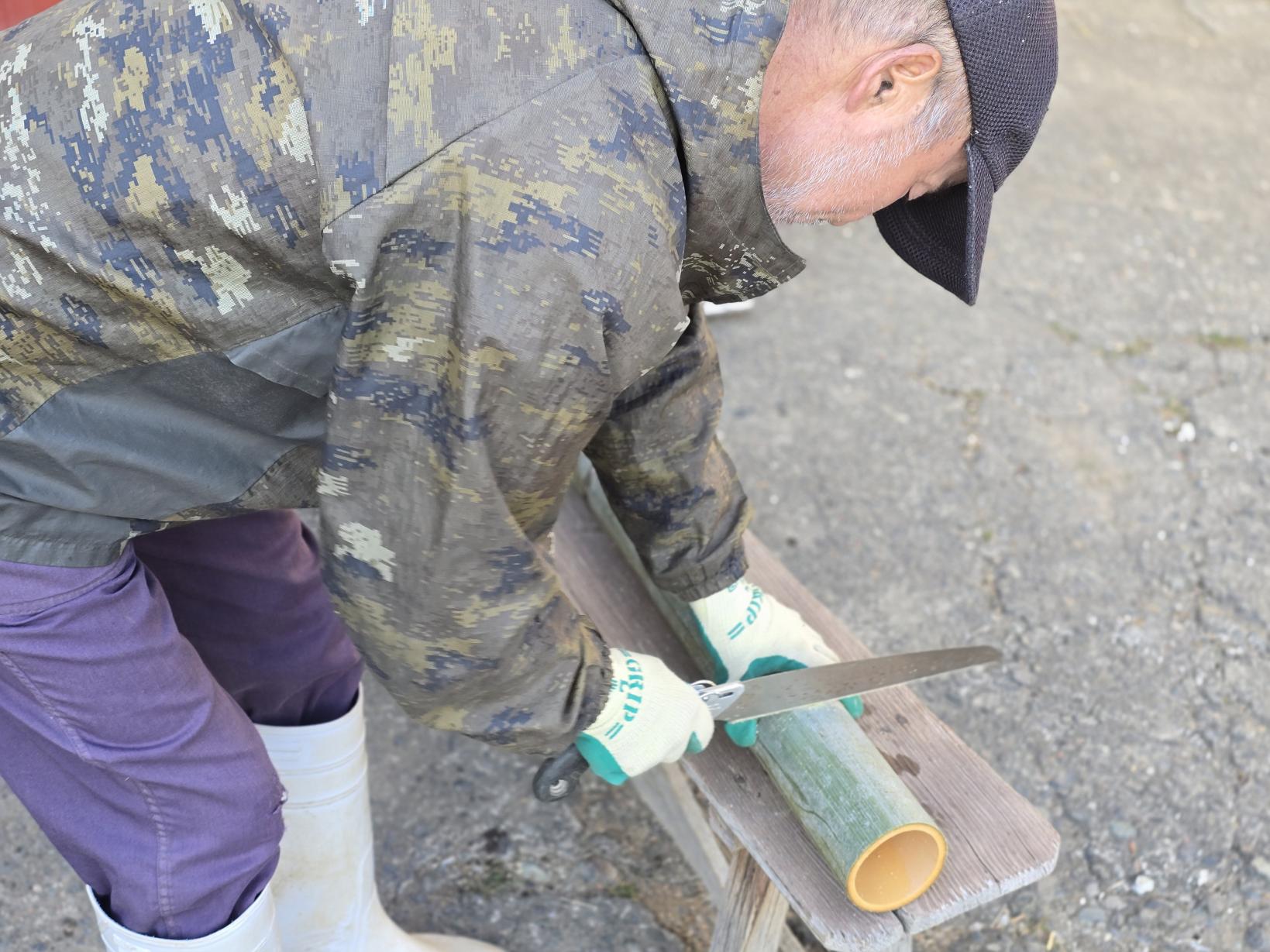
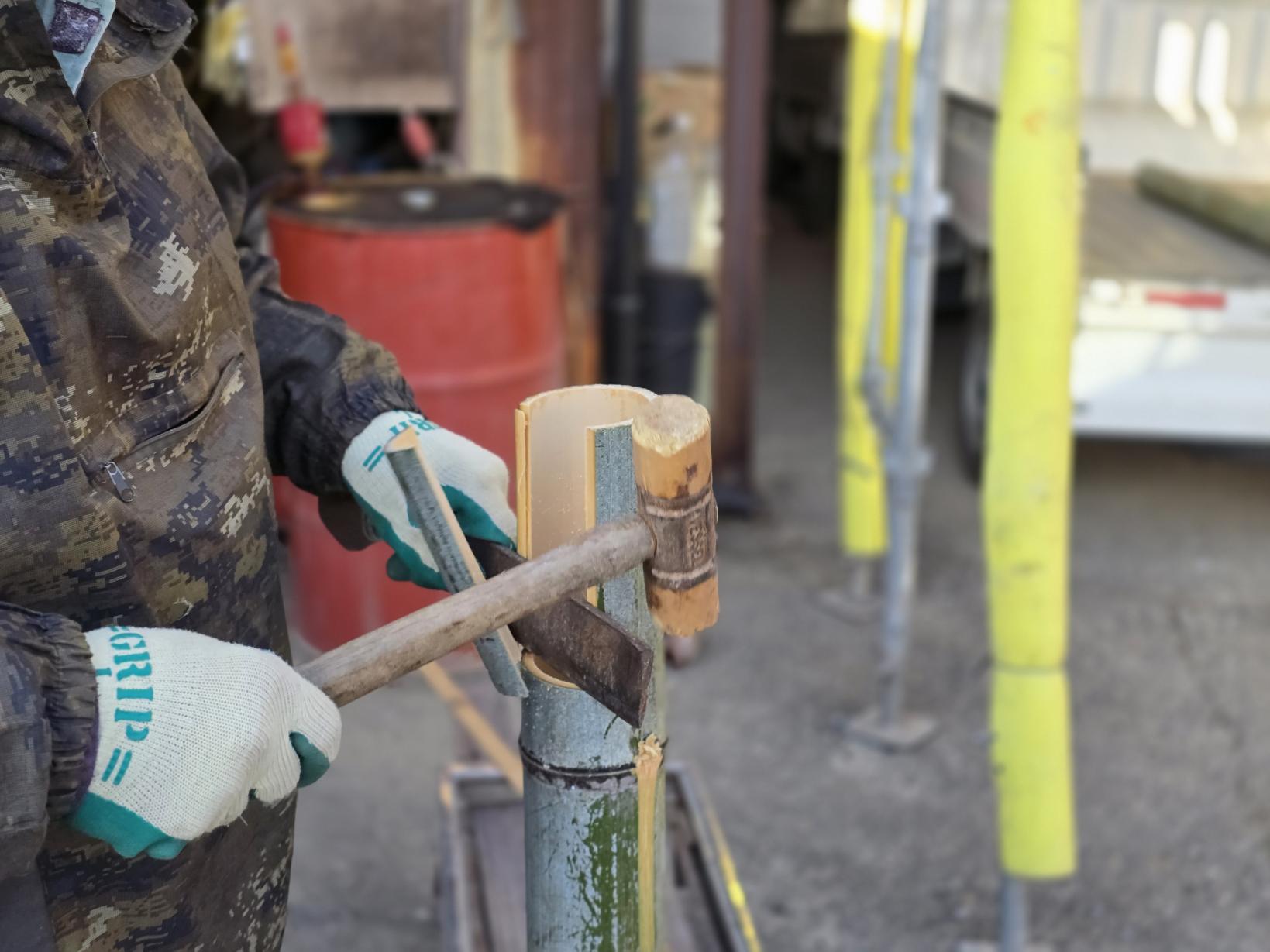
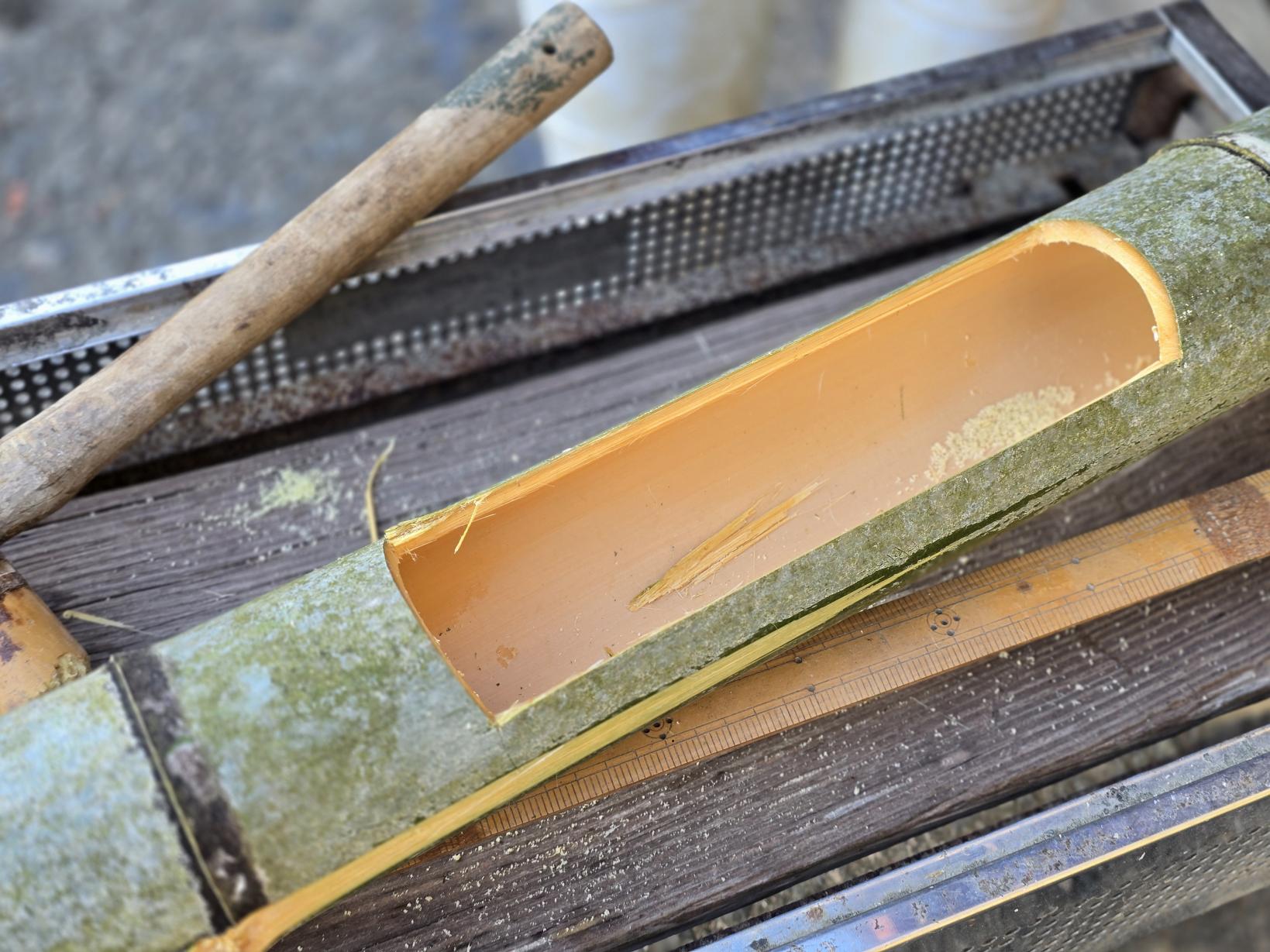
“Before you go to see the Kagura, let’s prepare dinner.”
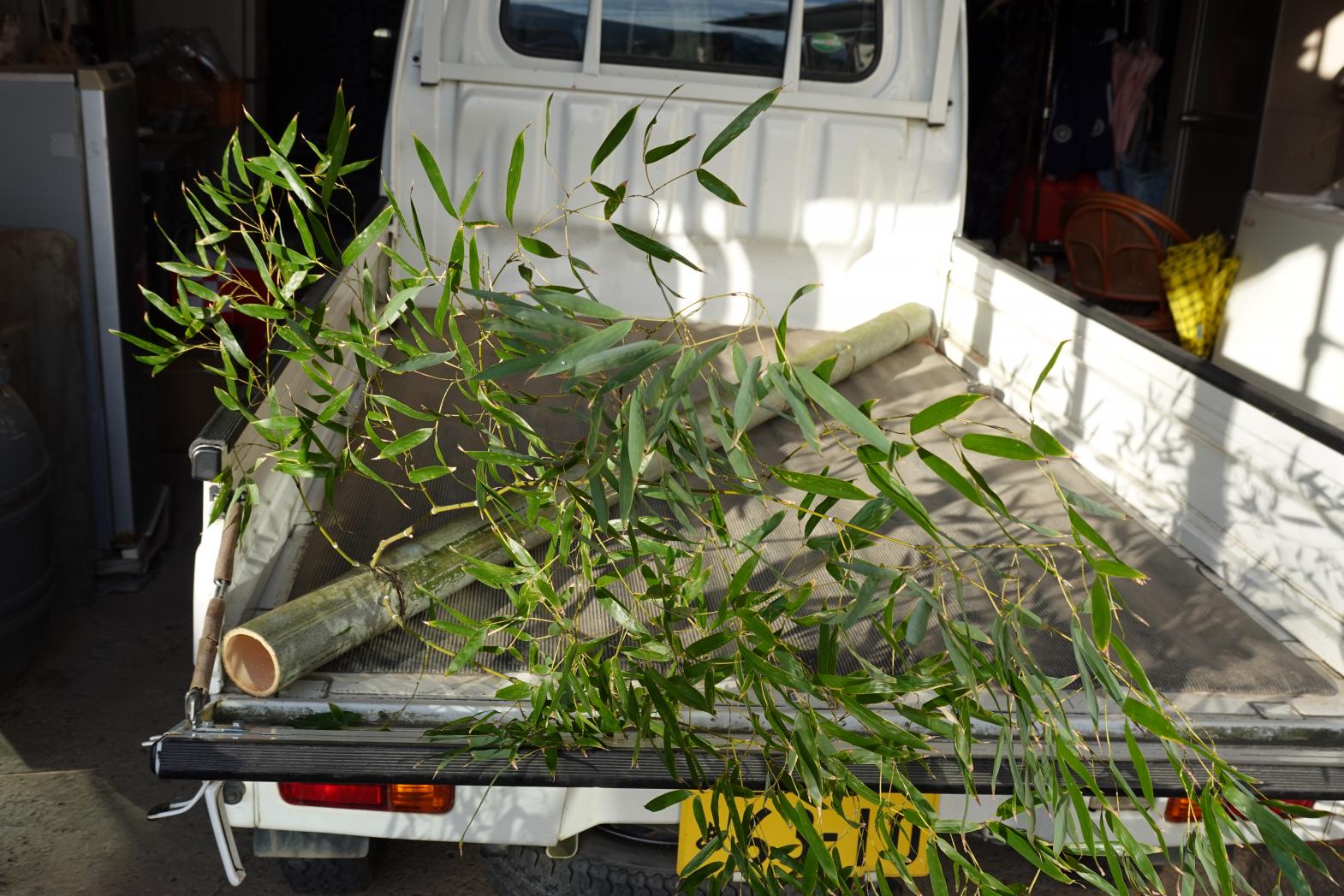
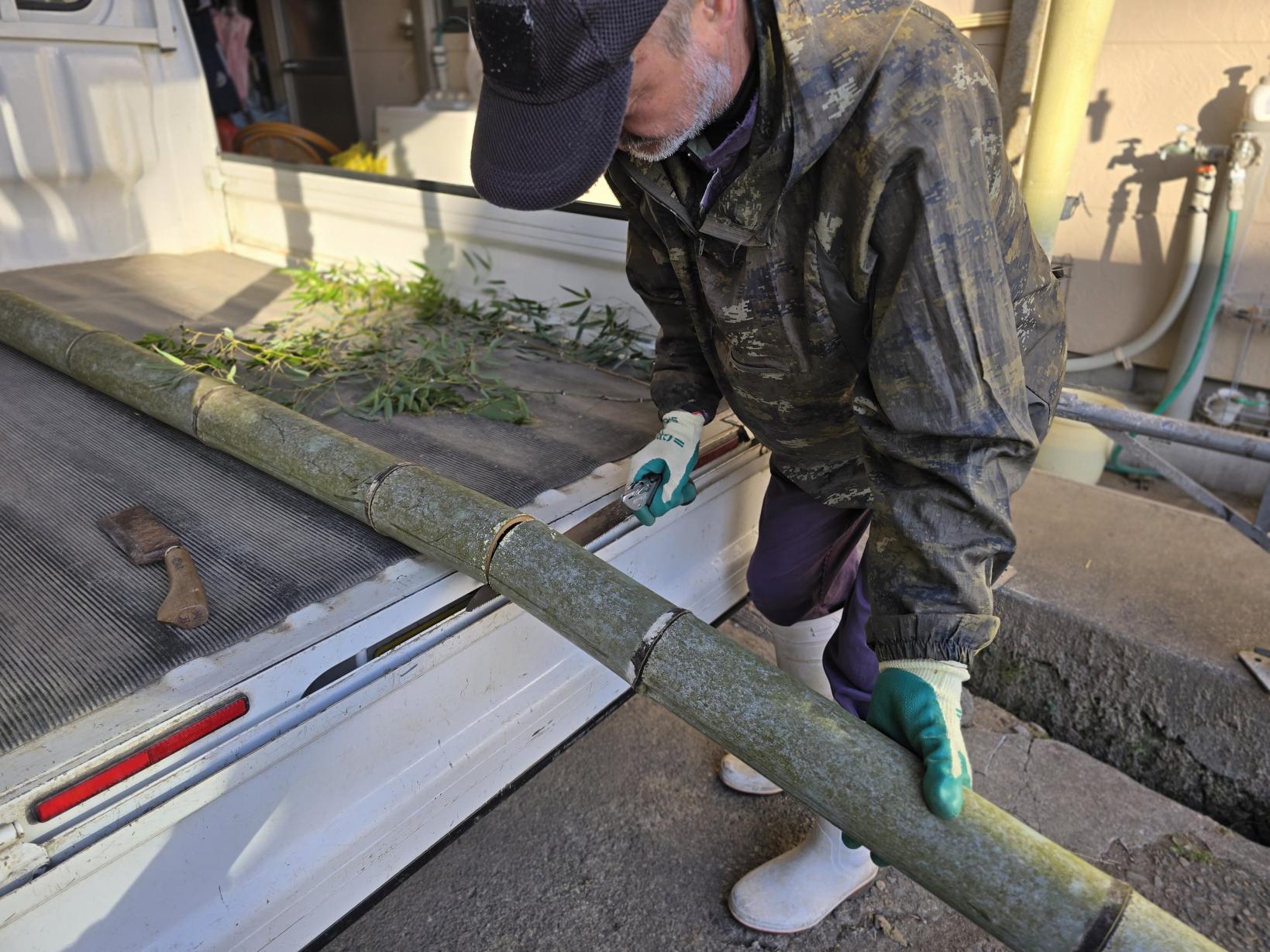
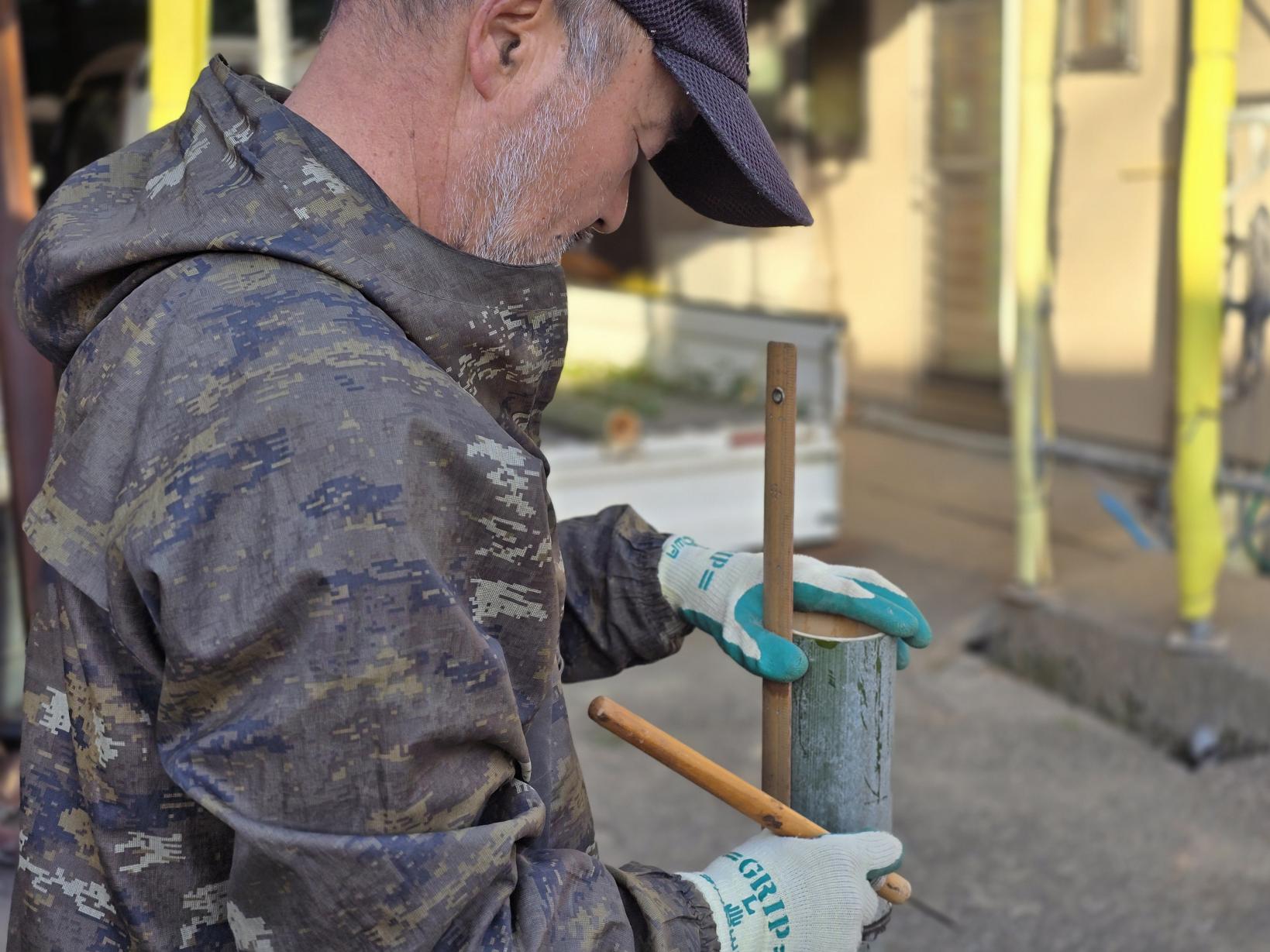
With Mr. Hashimoto’s guidance, I was able to experience making kappodori, a traditional outdoor cuisine from Takachiho, in the garden. We processed green bamboo that had been freshly cut from the mountain behind the house, then packed the part between the joints full with local chicken meat, shiitake mushrooms, and vegetables such as garlic chives. When the bamboo tube was placed over a charcoal fire, I could soon hear the sound of it boiling—“Kappo! Kappo!”—and the refreshing scent of bamboo started filling the air.
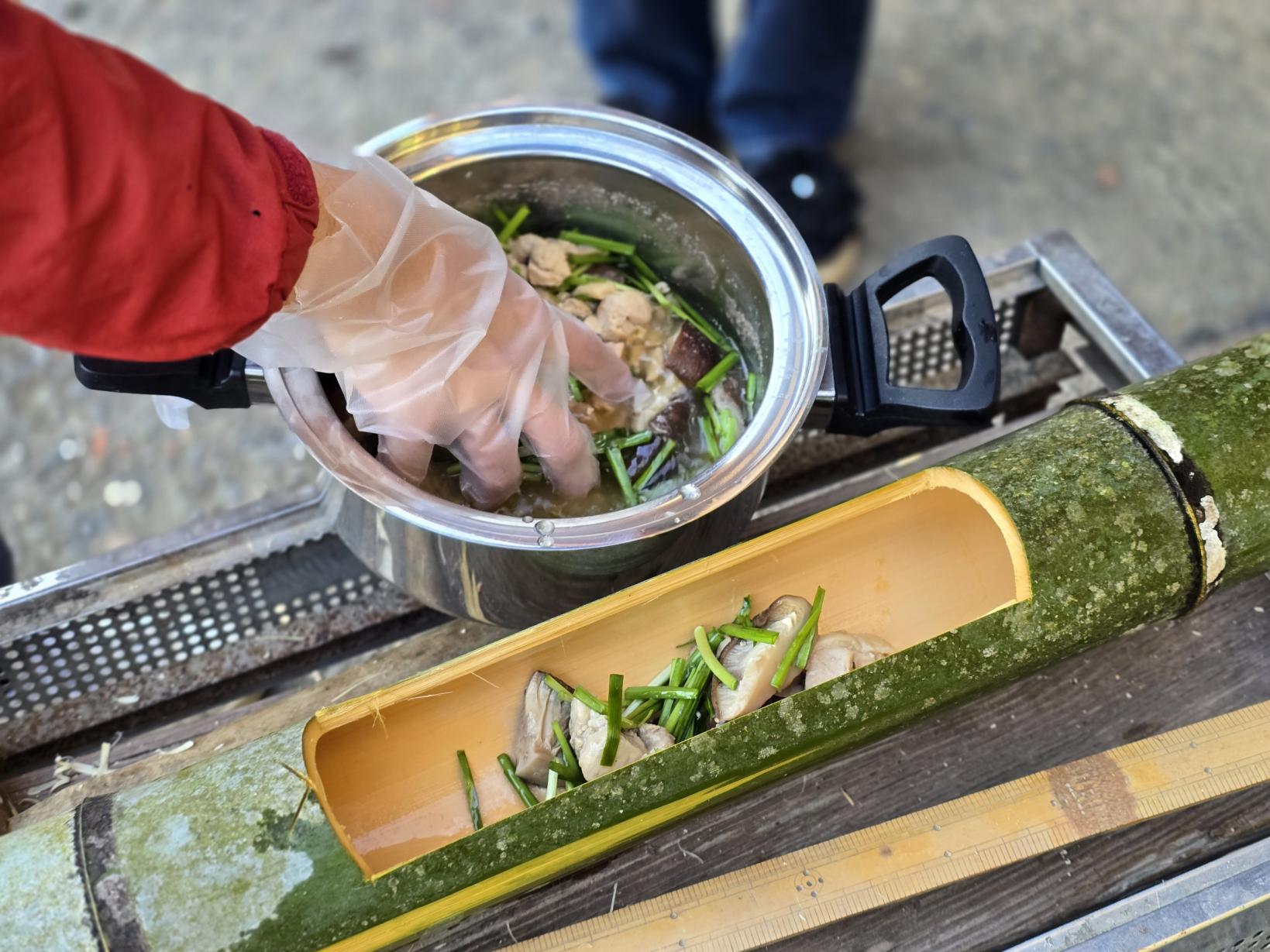
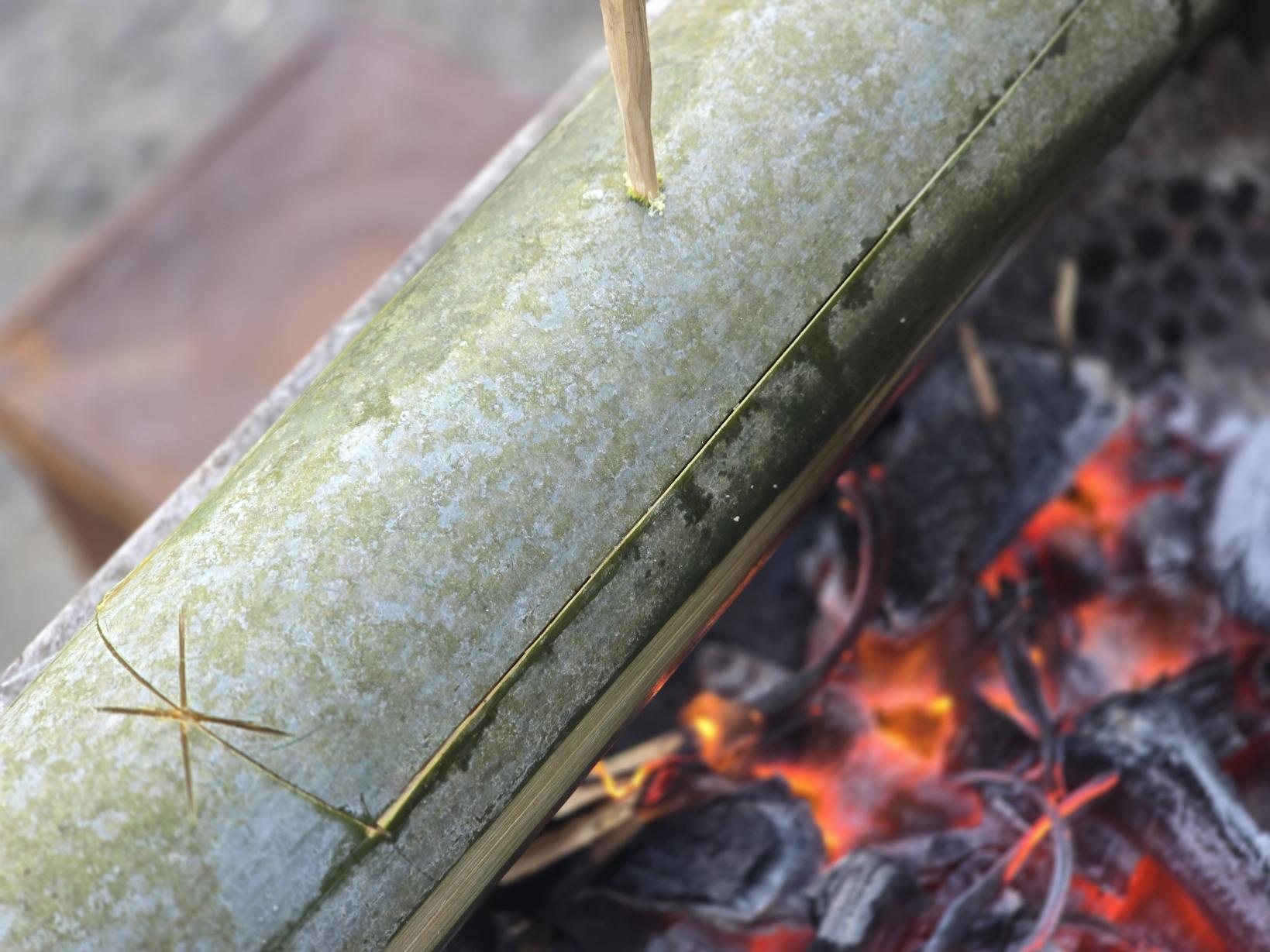
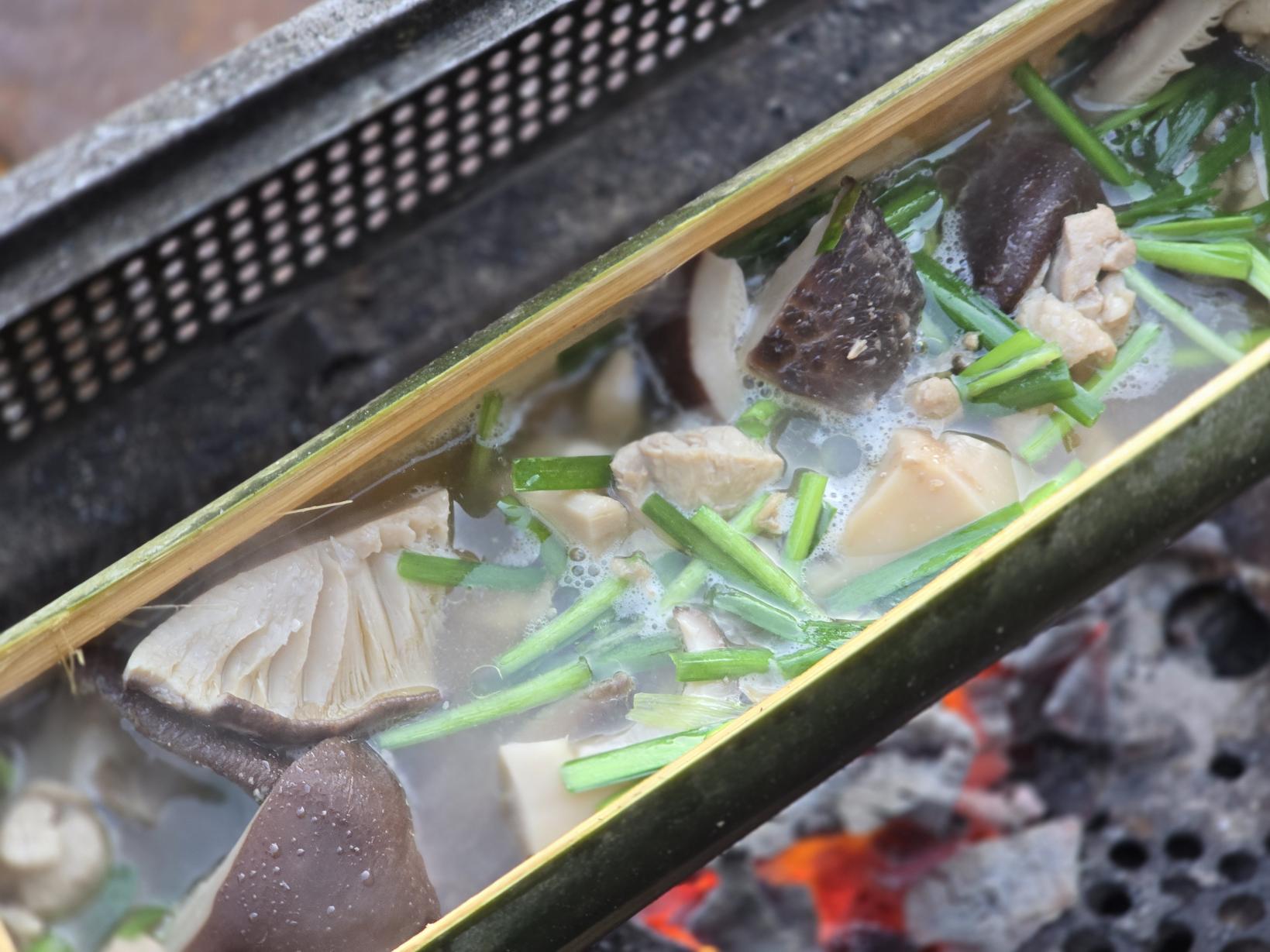
“We’re not making it today, but actually, we also have something called 'kappozake.' We pour shochu into this narrow piece of bamboo and make warm sake (kan) on the open fire—it’s essential for real Yokagura.”
-- Do they offer this dish and the sake at the Kagura venue?
“When the mood is relaxed at the Kagura venue, we sometimes treat the audience and the hoshadon to kappozake. On cold nights, having a drink of hot sake with the fragrance of bamboo warms you to the core. But dishes like the kappodori we’re making now aren't really served on the day of the Kagura. It’s mainly dishes like nishime (simmered vegetables) that are served then.”
-- So when do you eat kappodori?
“This is something we eat as ‘sanaburi (a celebration after farming)’ when we’ve finished the hard rice planting. It’s an in-the-field flavor we enjoy in the breaks between hard labor, and a ‘taste of celebration.’”
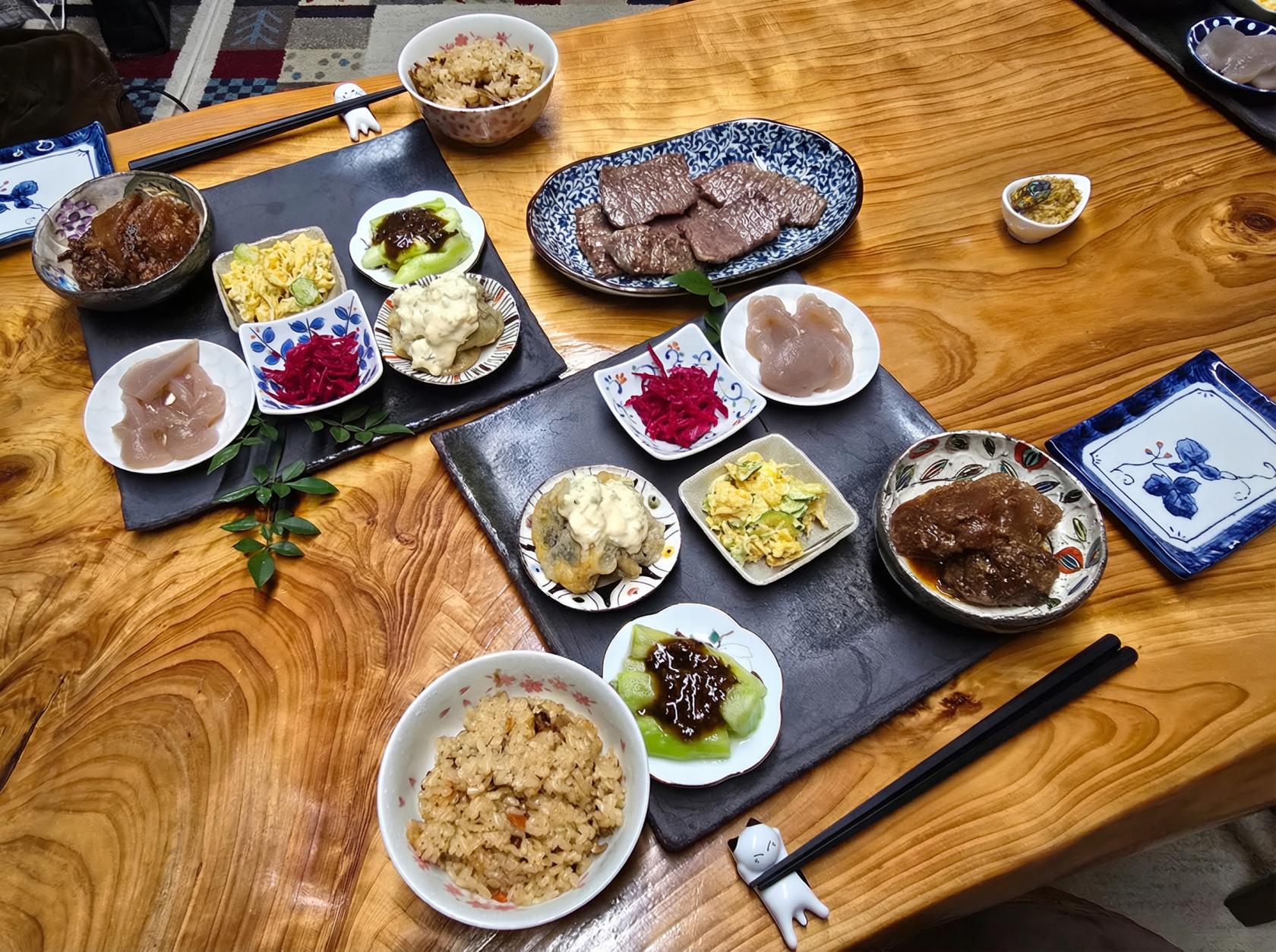
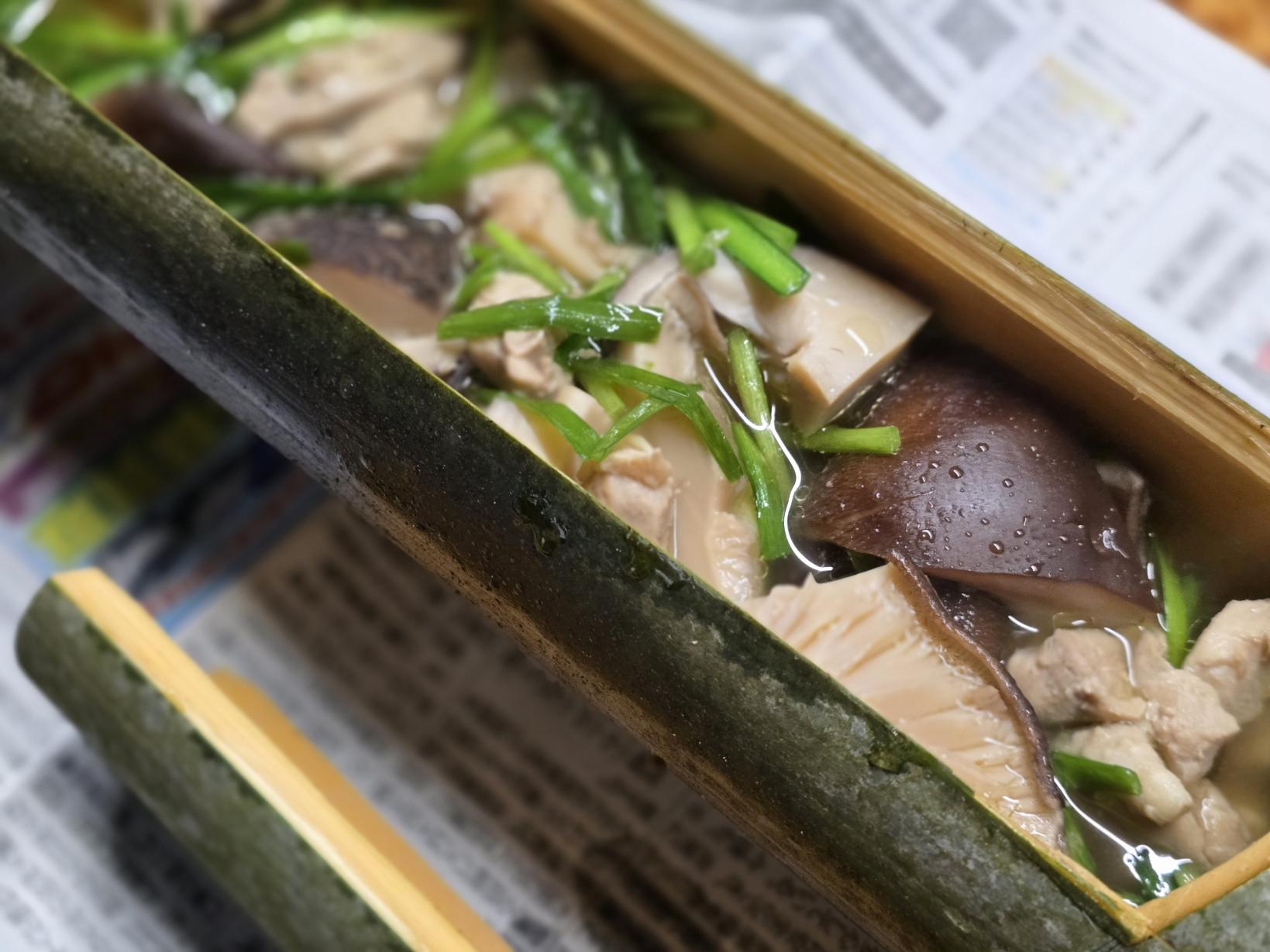
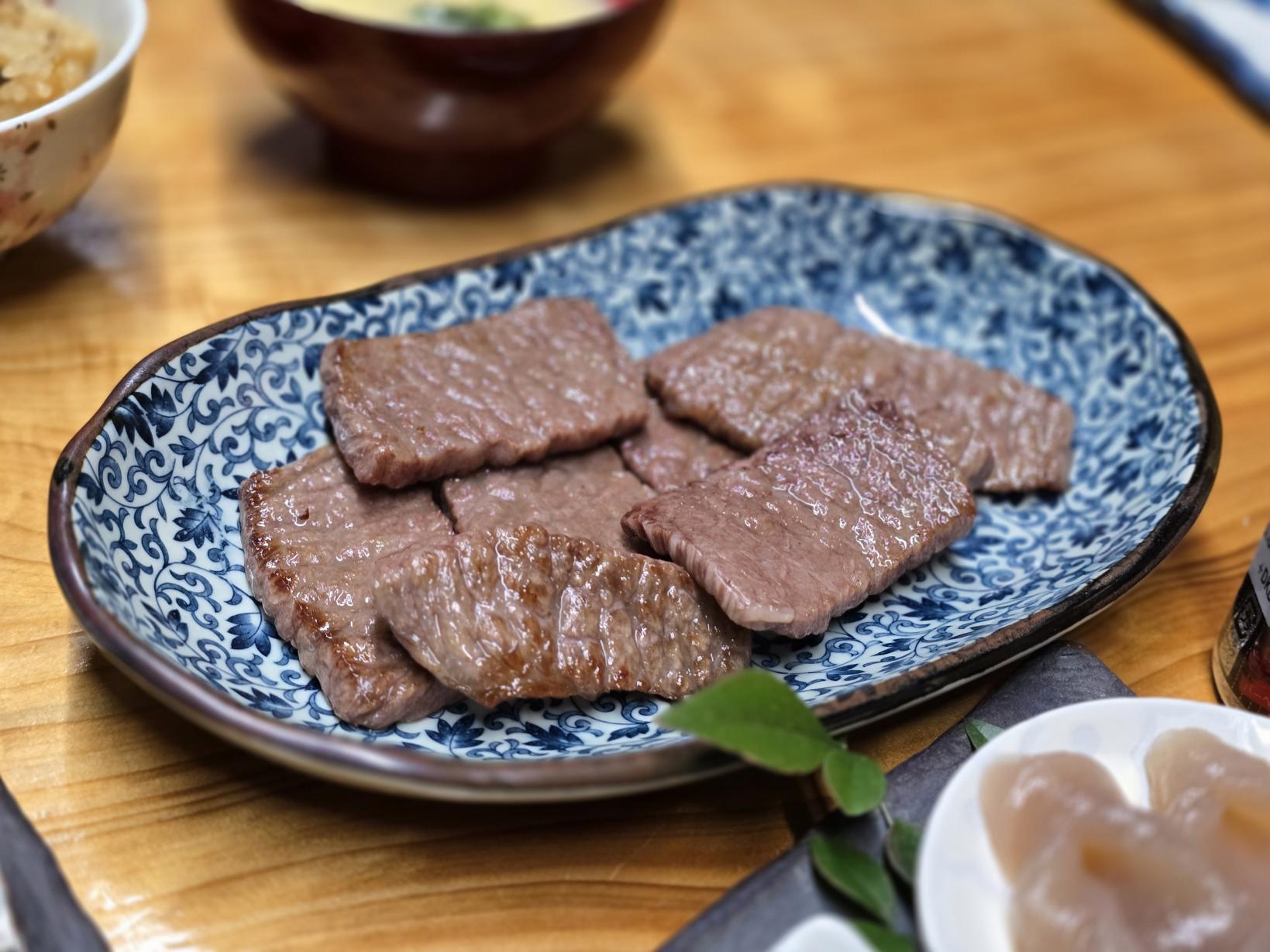
As we ate dinner together, the topic turned to the Kagura in Takachiho-jinja Shrine that evening.
“Actually, I’m also one of the ‘hosha’ who dances the Kagura.”
The Kagura is performed every night without fail in the Kagura Hall at Takachiho-jinja Shrine, but it's the local people who support it. The hosha from each community in the town form a rotation of groups of around 20 people and perform on the stage each evening when it’s their turn.
In times past when there was little entertainment, the Kagura dances were a way of forgetting the hardships of the farmwork of the year and the most enjoyable way to thank the gods for an abundant crop—this was an important event that solidified the unity of the villages.
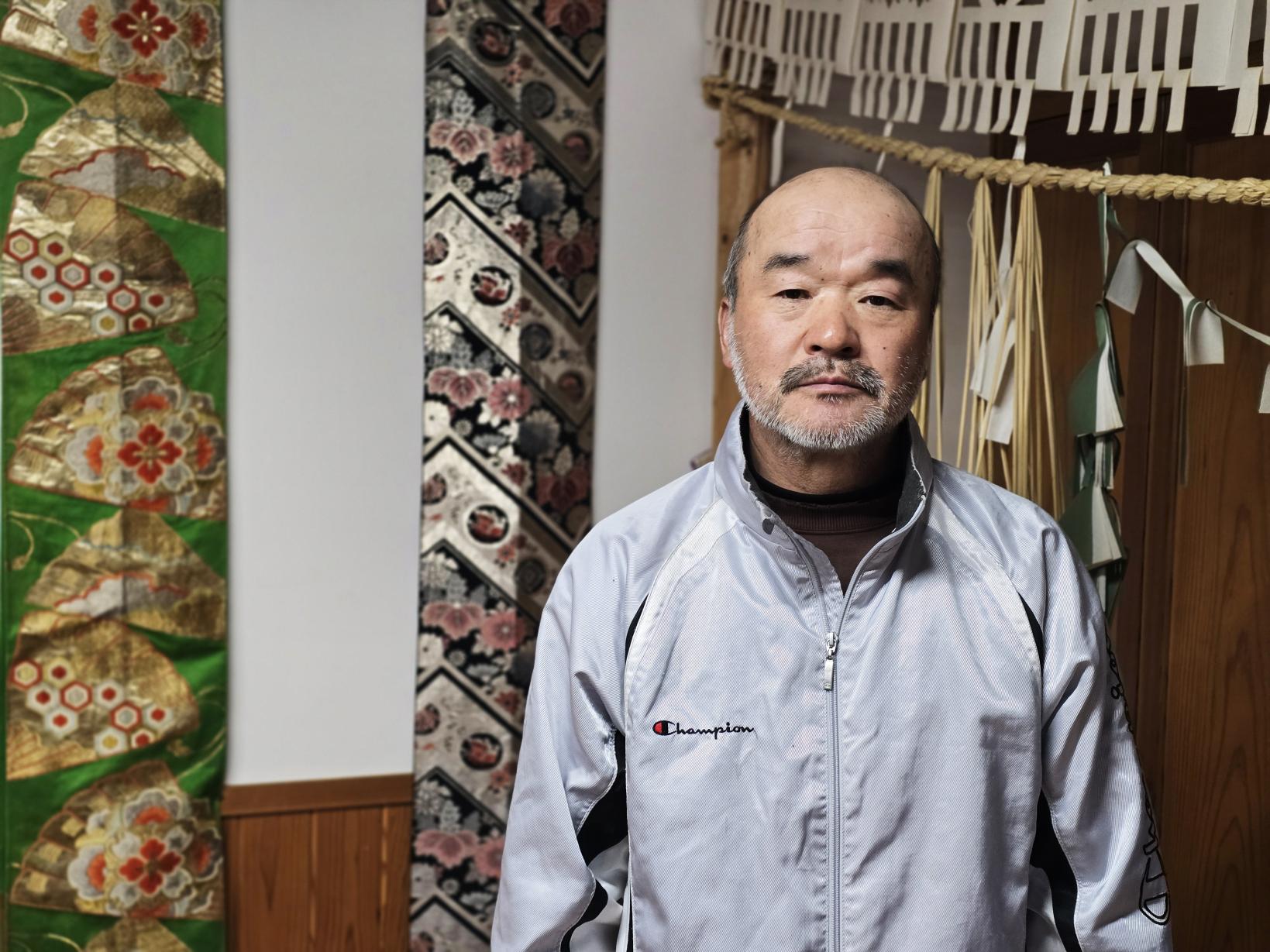
“The hosha on the stage tonight will be dancing after working the land and tending to the cattle in the day, the same as me.”
Hearing this, I realized that the tourist Kagura I was about to see wasn’t just a show, but an extension of “everyday life” with nature in Takachiho.
[Takachiho Kagura Experience] A world of myth passed down and preserved in communities
![[Takachiho Kagura Experience] A world of myth passed down and preserved in communities-0](https://www.kanko-miyazaki.jp/storage/special_feature_paragraphs/4958/responsive_images/h5esVJ54XTIooDXfas9fS63Vg1520YDM5xvwXRQr__1673_1115.jpg)
![[Takachiho Kagura Experience] A world of myth passed down and preserved in communities-1](https://www.kanko-miyazaki.jp/storage/special_feature_paragraphs/4958/responsive_images/NFvte6uc1L6rVxkWu8hWtaHI63QMyciUmEghhYdi__1575_1048.jpg)
![[Takachiho Kagura Experience] A world of myth passed down and preserved in communities-2](https://www.kanko-miyazaki.jp/storage/special_feature_paragraphs/4958/responsive_images/J1l6UUcWDVjZmJQW2mcefTixHy0Oa2sGV6ZYbgMv__1639_1229.jpg)
As it got completely dark, I made my way to Takachiho-jinja Shrine. There were lots of spectators at the Kagura Hall in the shrine grounds, creating a feeling of excitement. The Takachiho Kagura offered here each night is a 1-hour condensed performance of four of the representative dances from the 33 dances of the real all-night Yokagura: “Tajikarao no Mai,” “Uzume no Mai,” “Totori no Mai,” and “Goshintai no Mai.”
Price to view: 1,000 yen per person (free up to elementary school age)
*You can book online (200 seats) or pay at reception (50 seats).
*If you’re paying at reception, you can do so from 19:00 at the Takachiho-jinja Shrine Kagura Hall.
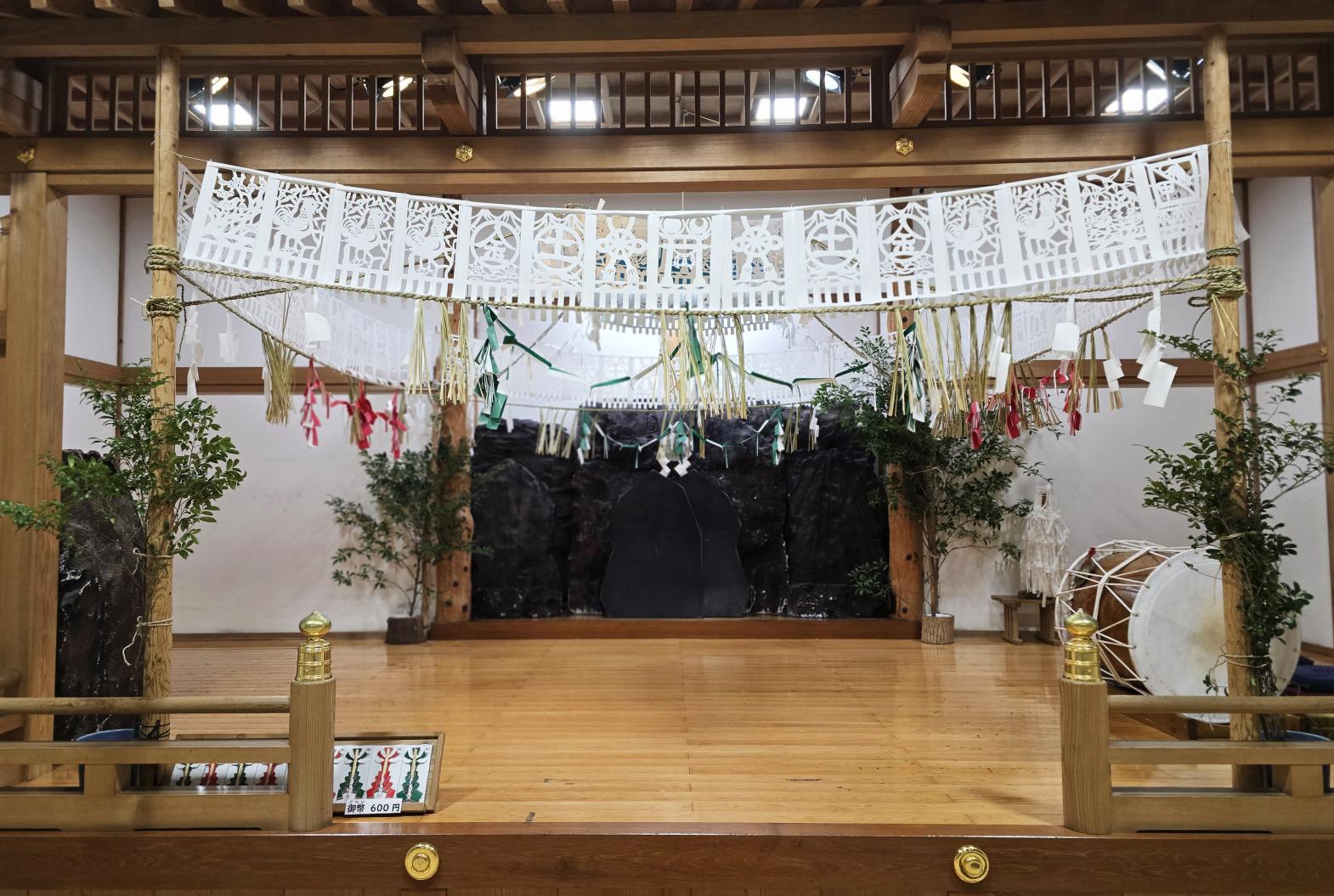
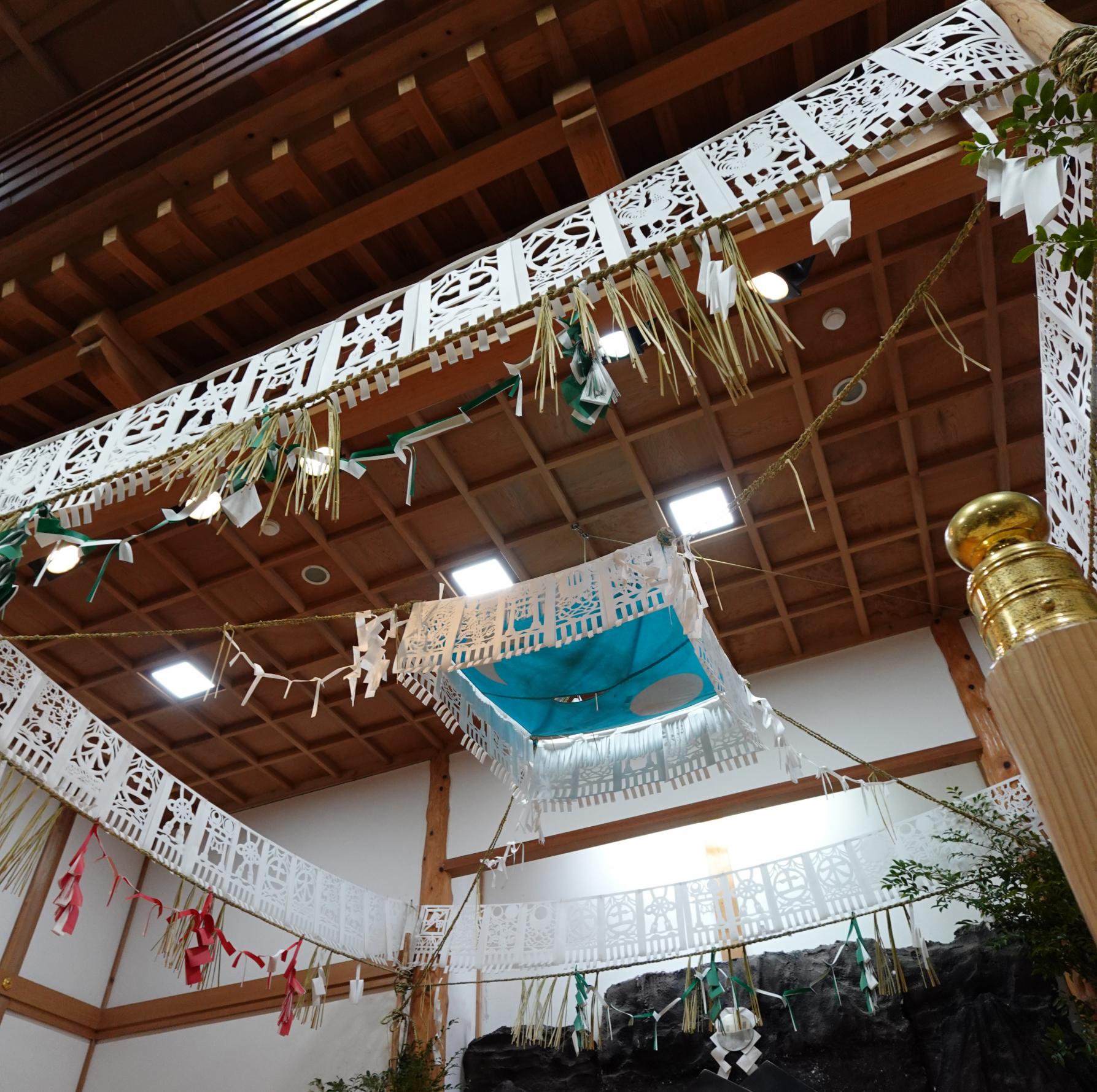
When I removed my shoes and entered the Kagura Hall, my eyes were first drawn to the decorations strung above the stage. A square frame referred to as a “cloud (or canopy)” hung from the stage ceiling, and the outside was adorned with delicate paper cutouts. This approximately four-meter-square space represents Takamagahara, the heavenly realm. The decorations, symbolizing yin-yang and the five elements, the 12 signs of the Chinese zodiac, and the four seasons, create the world of the gods, detached from our everyday.
The stage setting itself quietly communicated the idea that this Kagura is a ritual that disconnects everyday spaces, inviting the gods to this stage.
Tajikarao no Mai
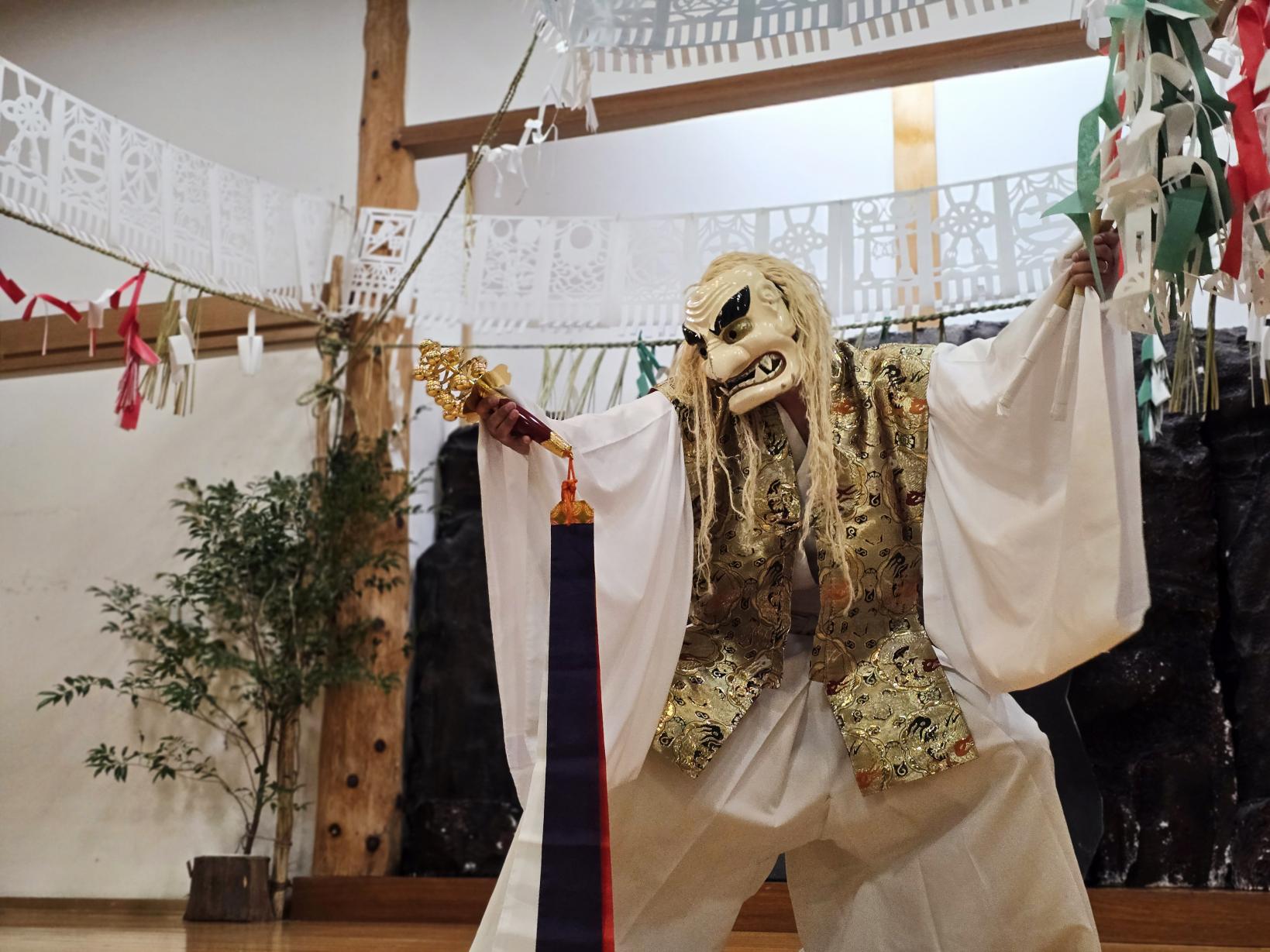
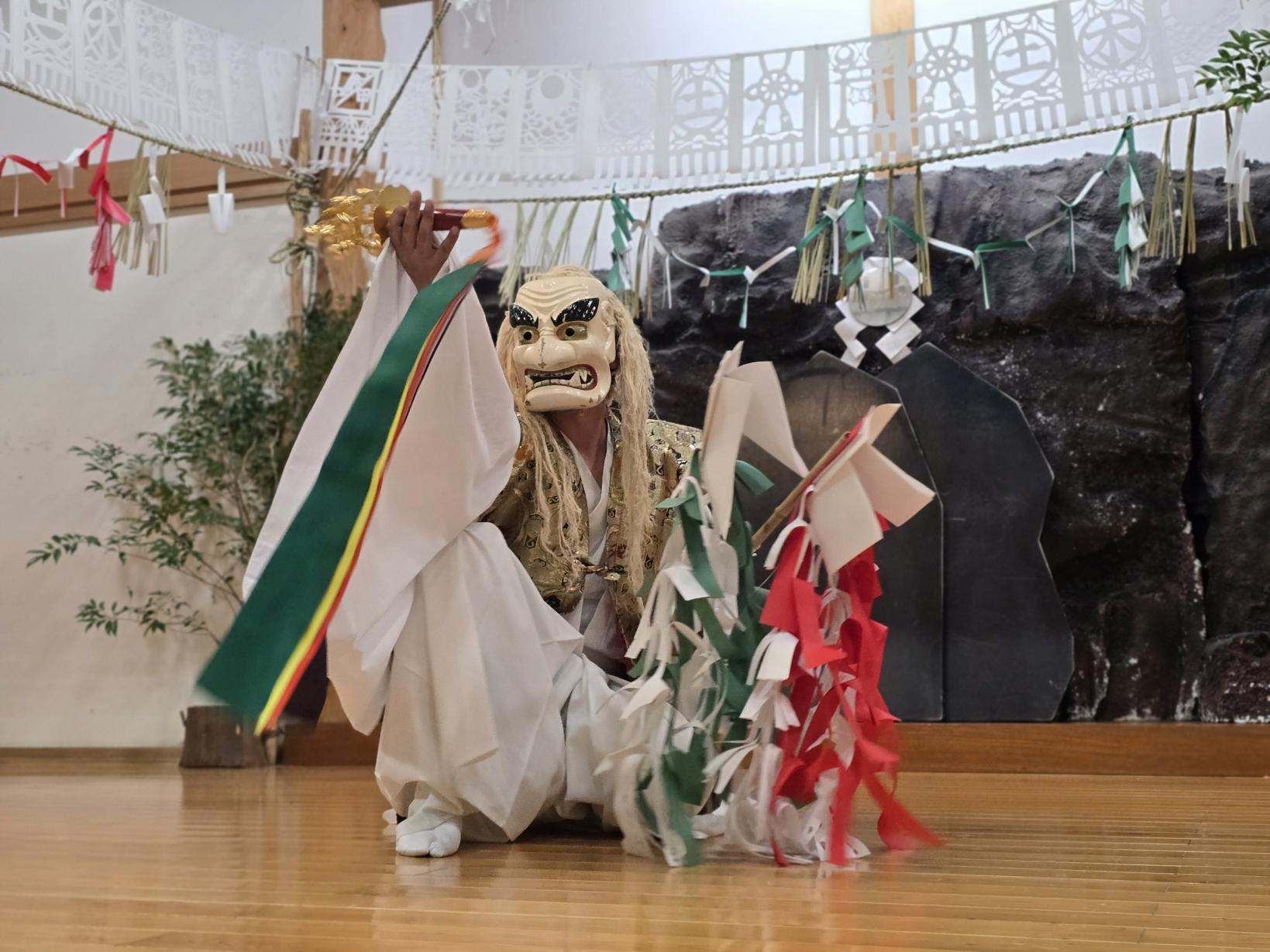
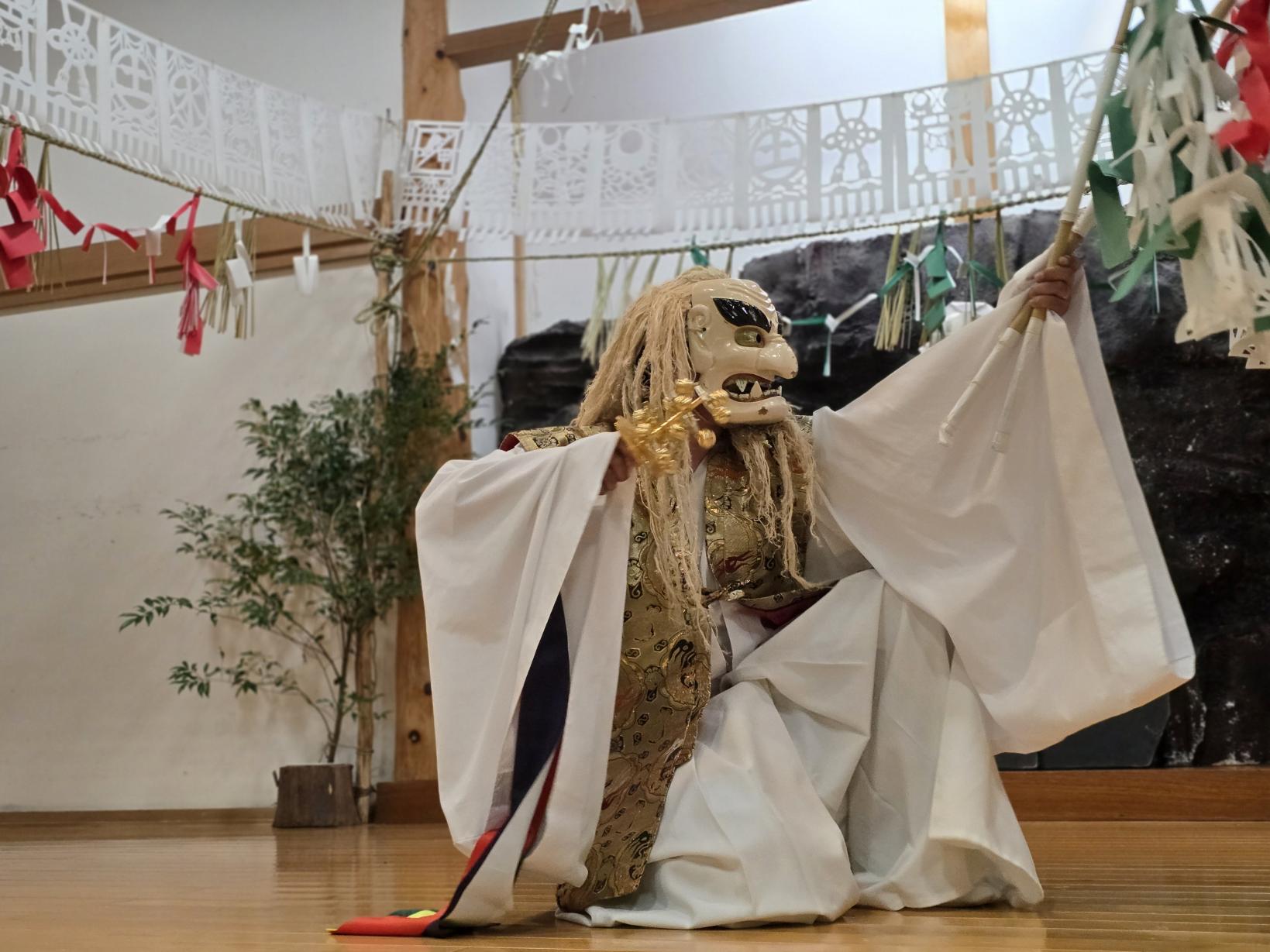
The first to appear was Tajikarao-no-Mikoto, with long, drooping black hair and a white mask. When the sun goddess Amaterasu-Omikami hid in the heavenly rock cave and the world was engulfed in darkness, he tried to find the whereabouts of the rock door, and this is the scene that this dance represents. He steps quietly yet powerfully on the stage, carrying a gohei ritual staff with zig-zag paper strips and a bell, and dances as if listening carefully to its sound and thinking.
Uzume no Mai
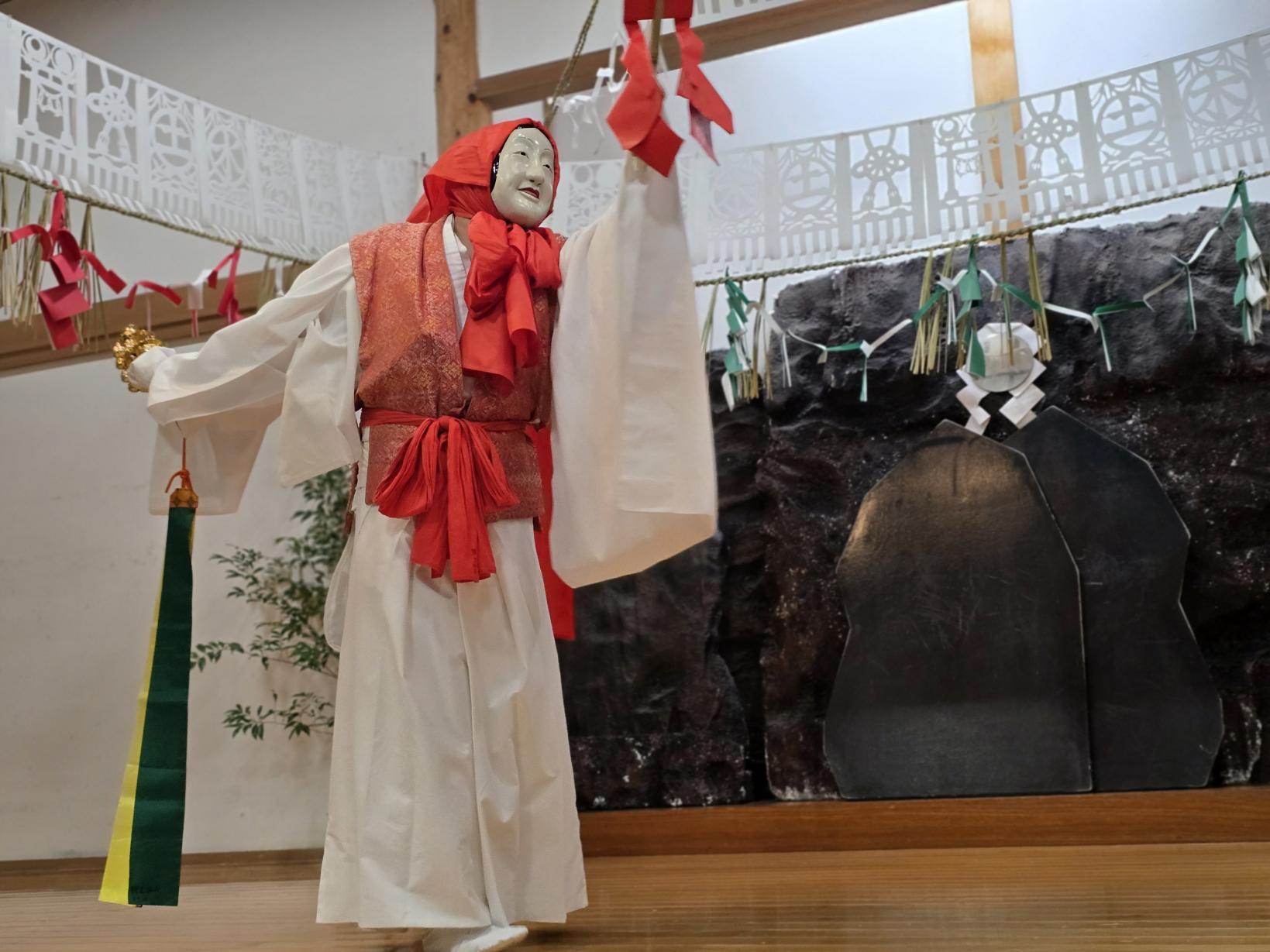
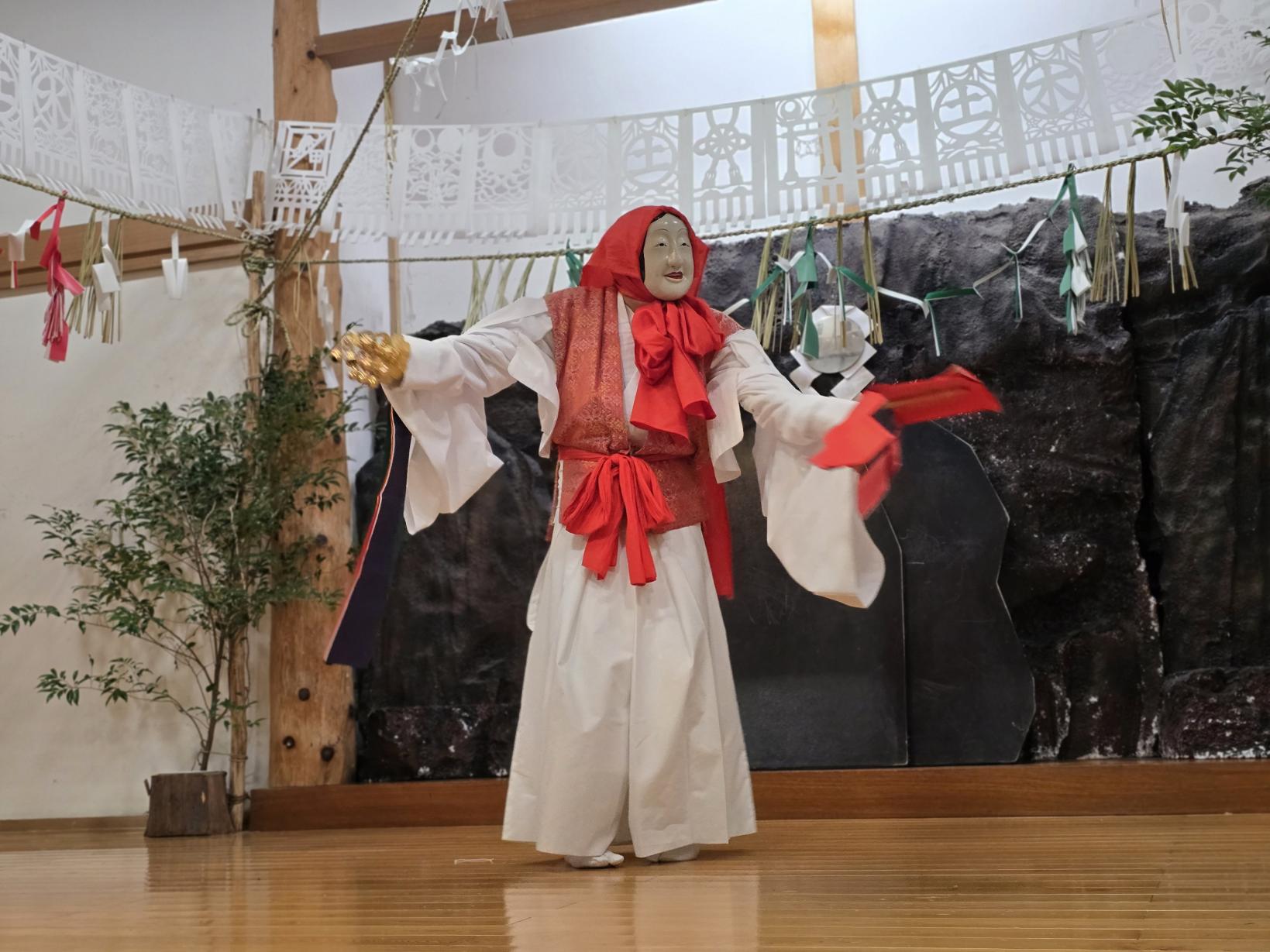
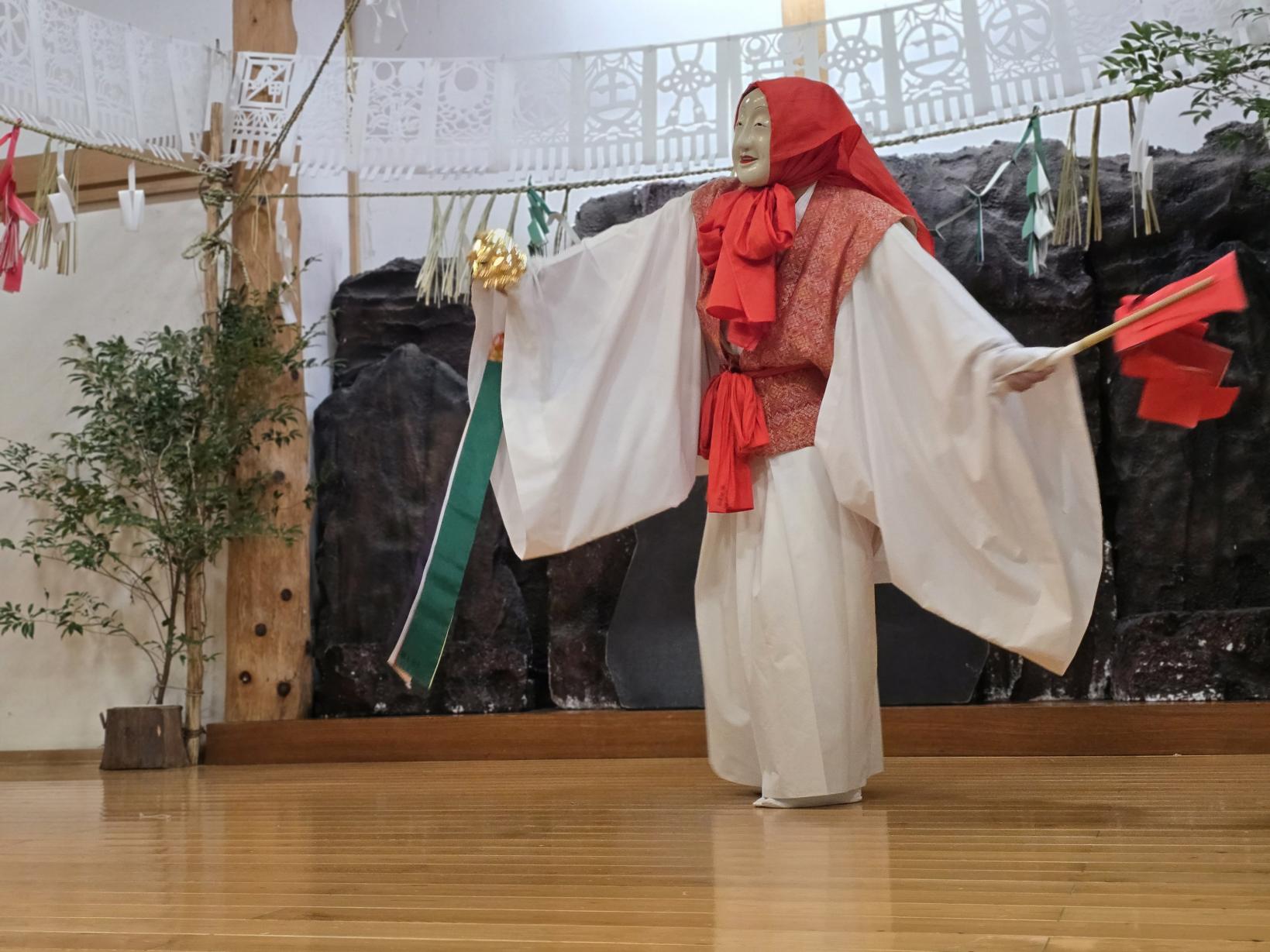
After this, Ame-no-Uzume-no-Mikoto appeared, wearing an okame (female) mask. Once the whereabouts of the rock door were confirmed, she performed an interesting and comical dance in front of it, luring Amaterasu-Omikami out, and it’s this scene that the performance represents. The sight of her dance, lightly ringing the bamboo grass and bell in her hands and sometimes offering humorous gestures, immediately relaxed the mood in the venue.
Totori no Mai
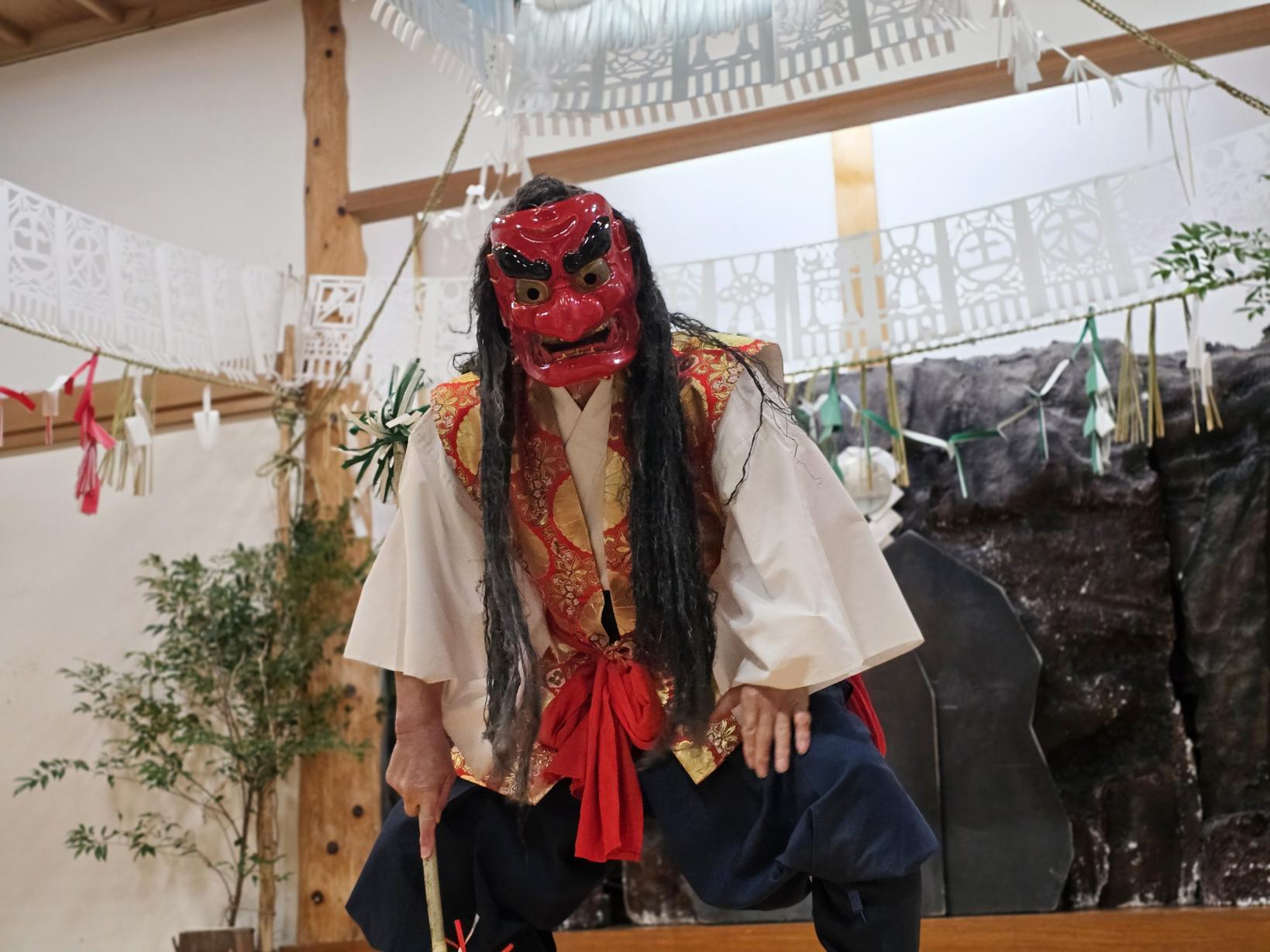
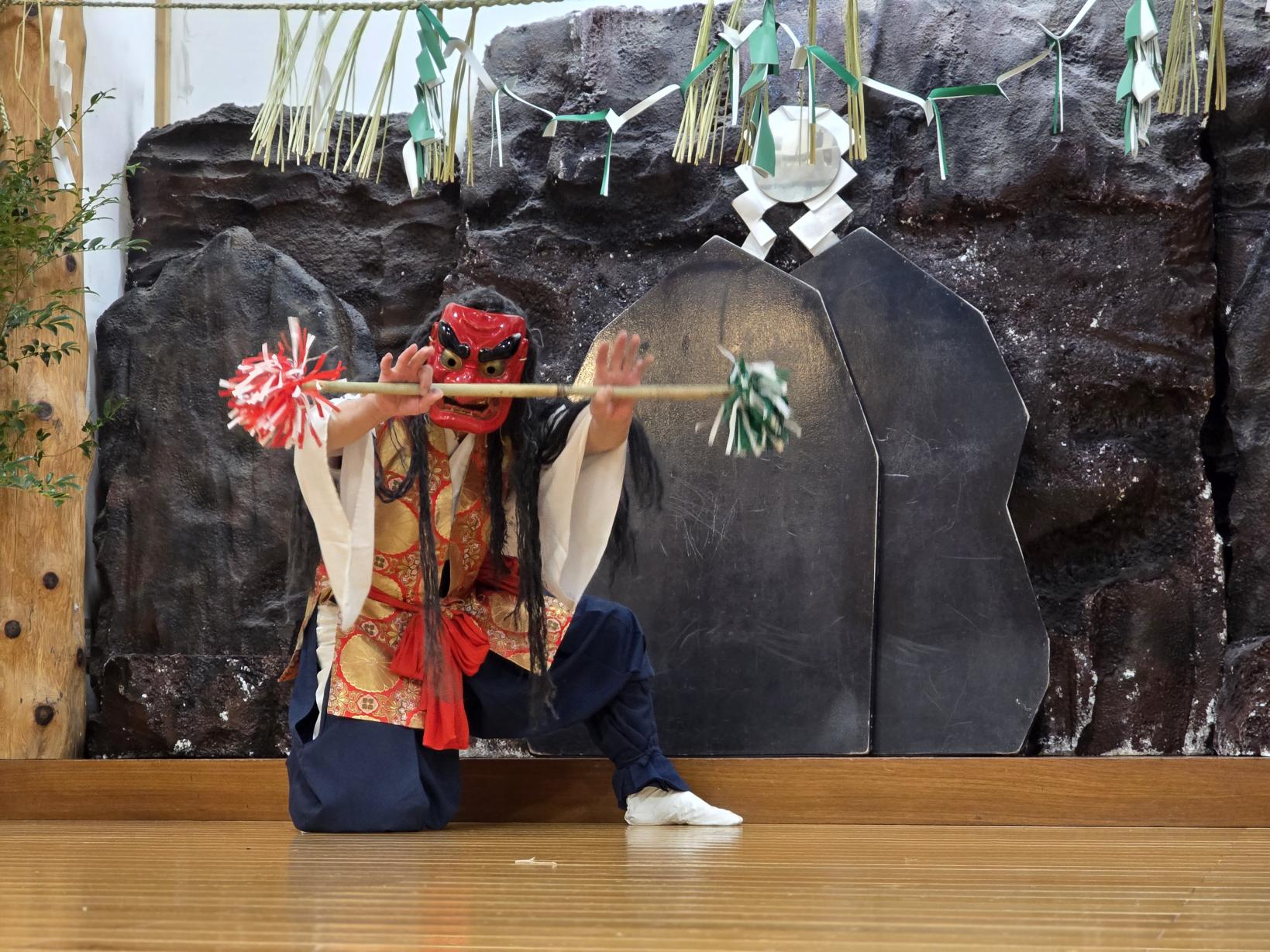
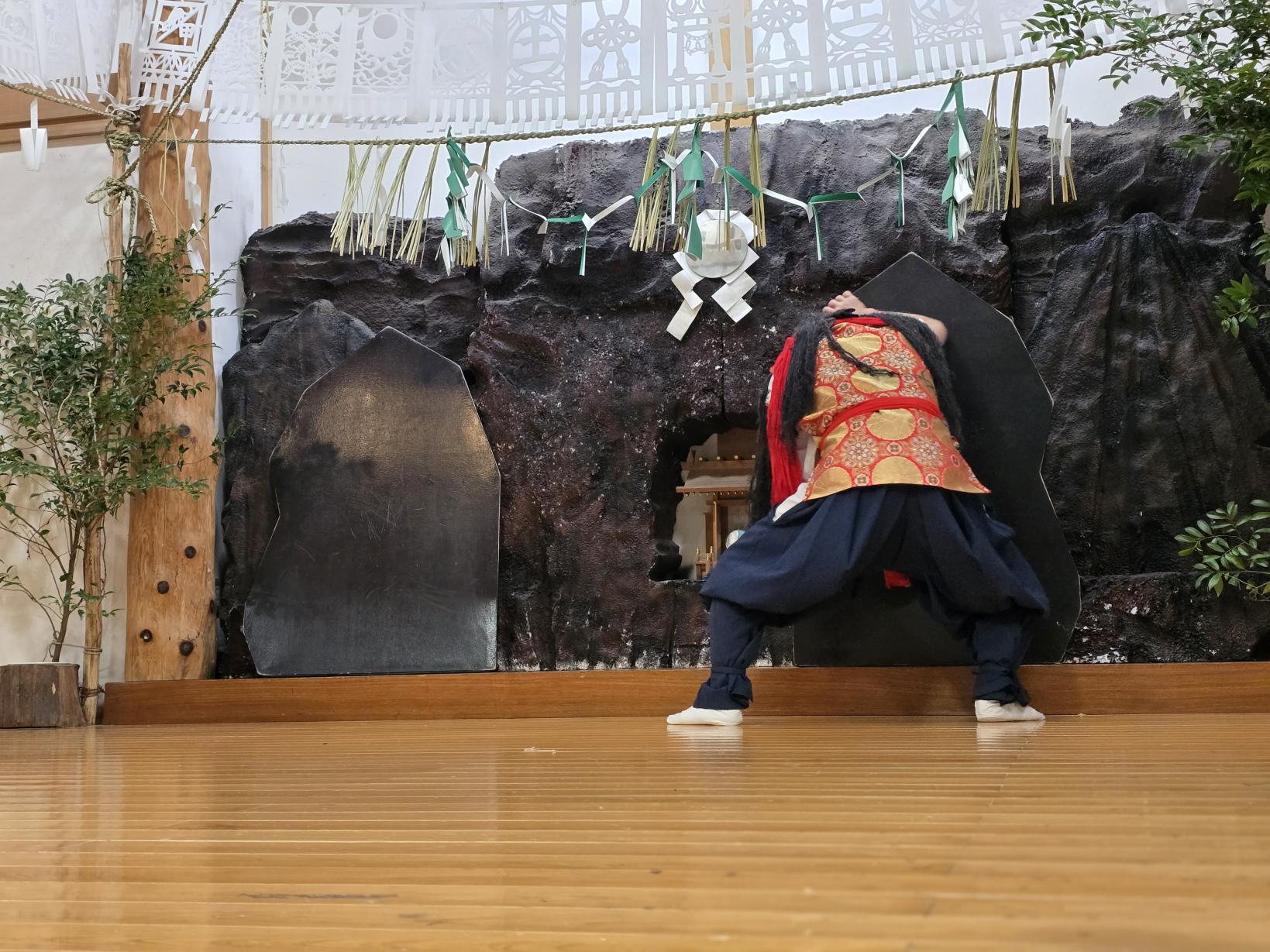
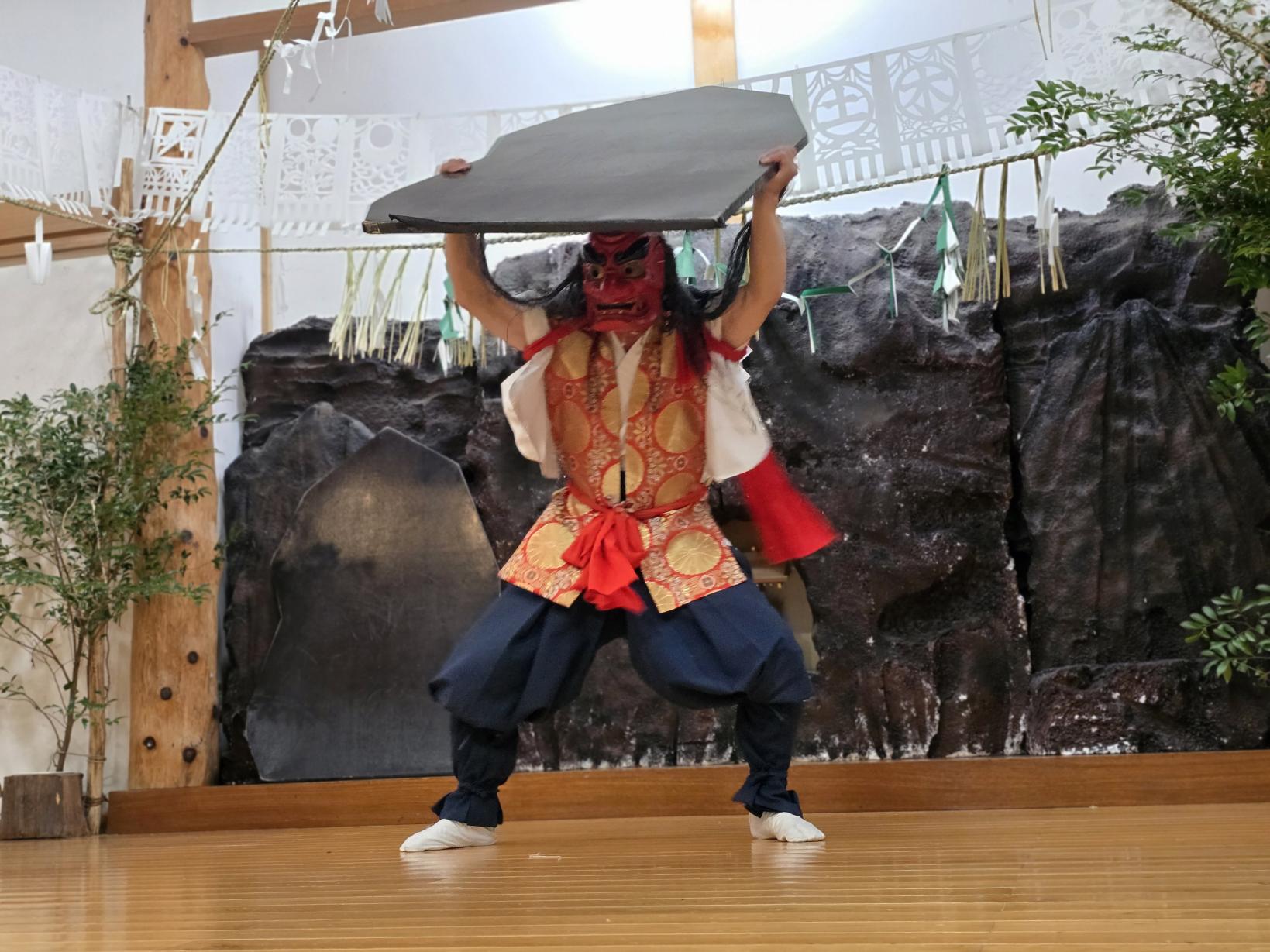
The third dance saw Tajikarao-no-Mikoto return to the stage, but this time he was wearing a red-faced mask and was full of wild strength. This climatic dance represents the moment that the rock door opens a little, invited by the Uzume no Mai, and he uses all his might to remove it. No other dance could be as “heroic” as this. The dancer moves relentlessly, using his whole body, and finally raises the rock door. It opens, and the sun (light) returns to the world. This was apparently a way of asking in advance for an abundant harvest, with the end of the long and harsh winter and the arrival of long-awaited spring.
Goshintai no Mai
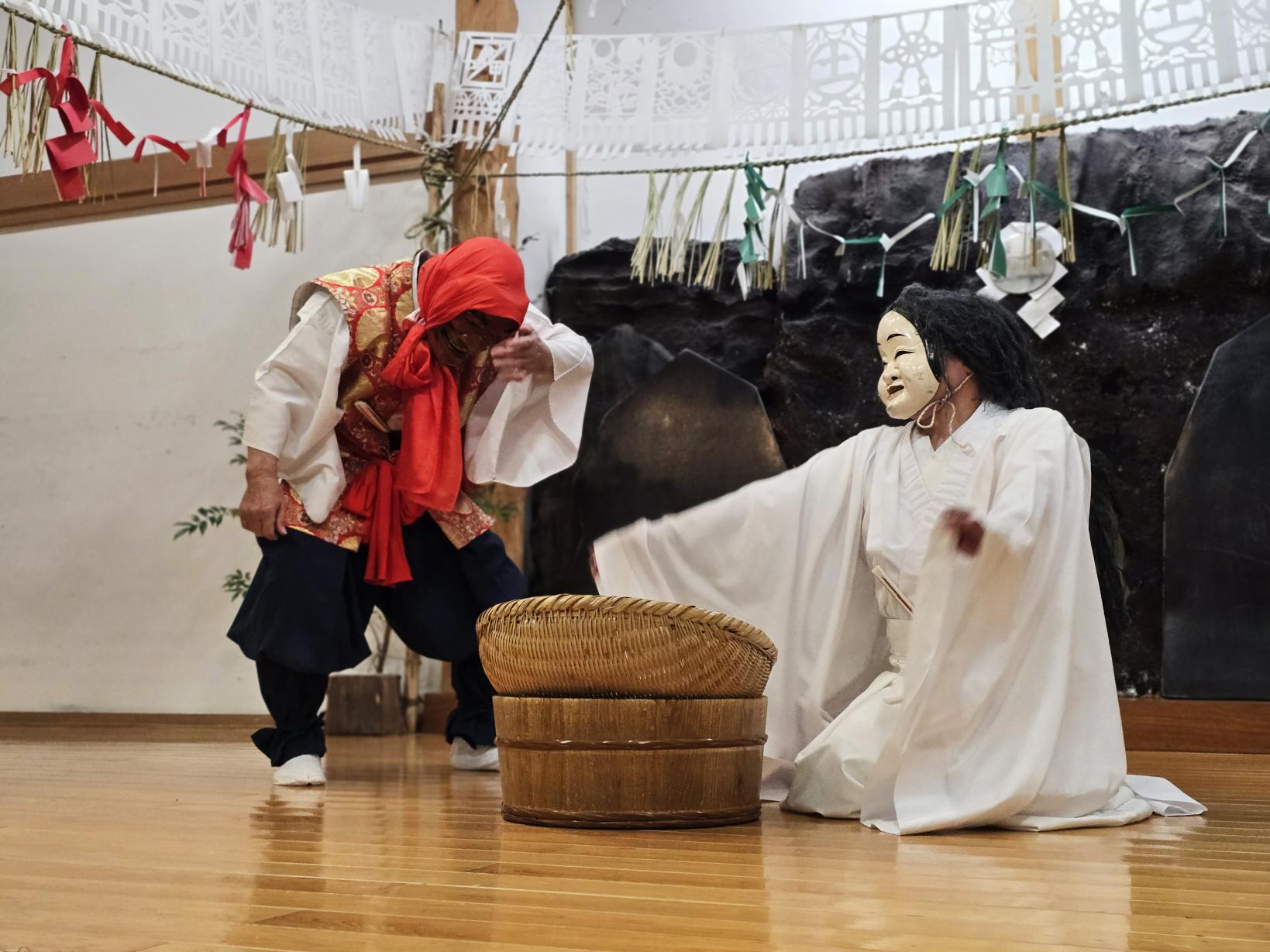
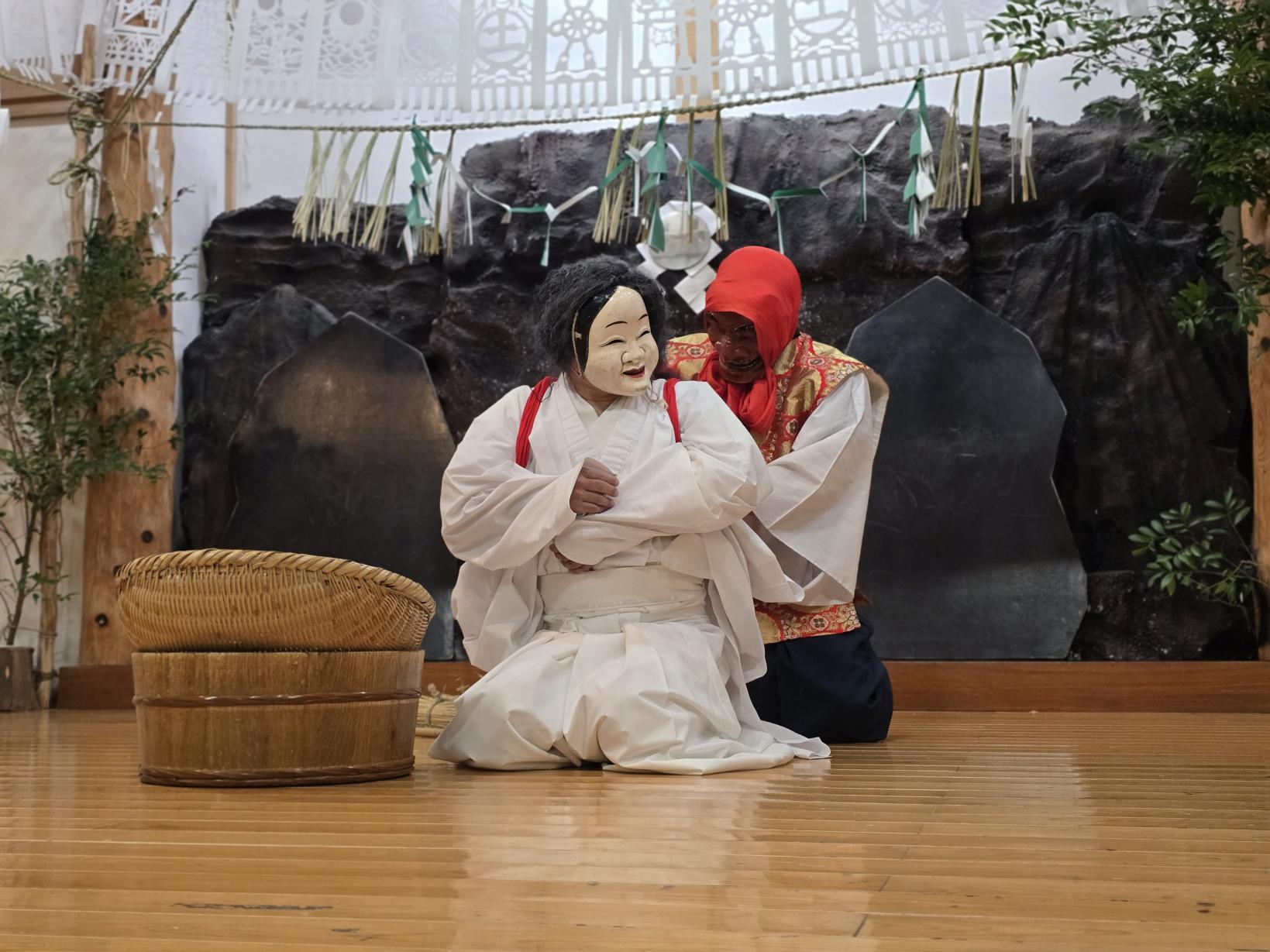
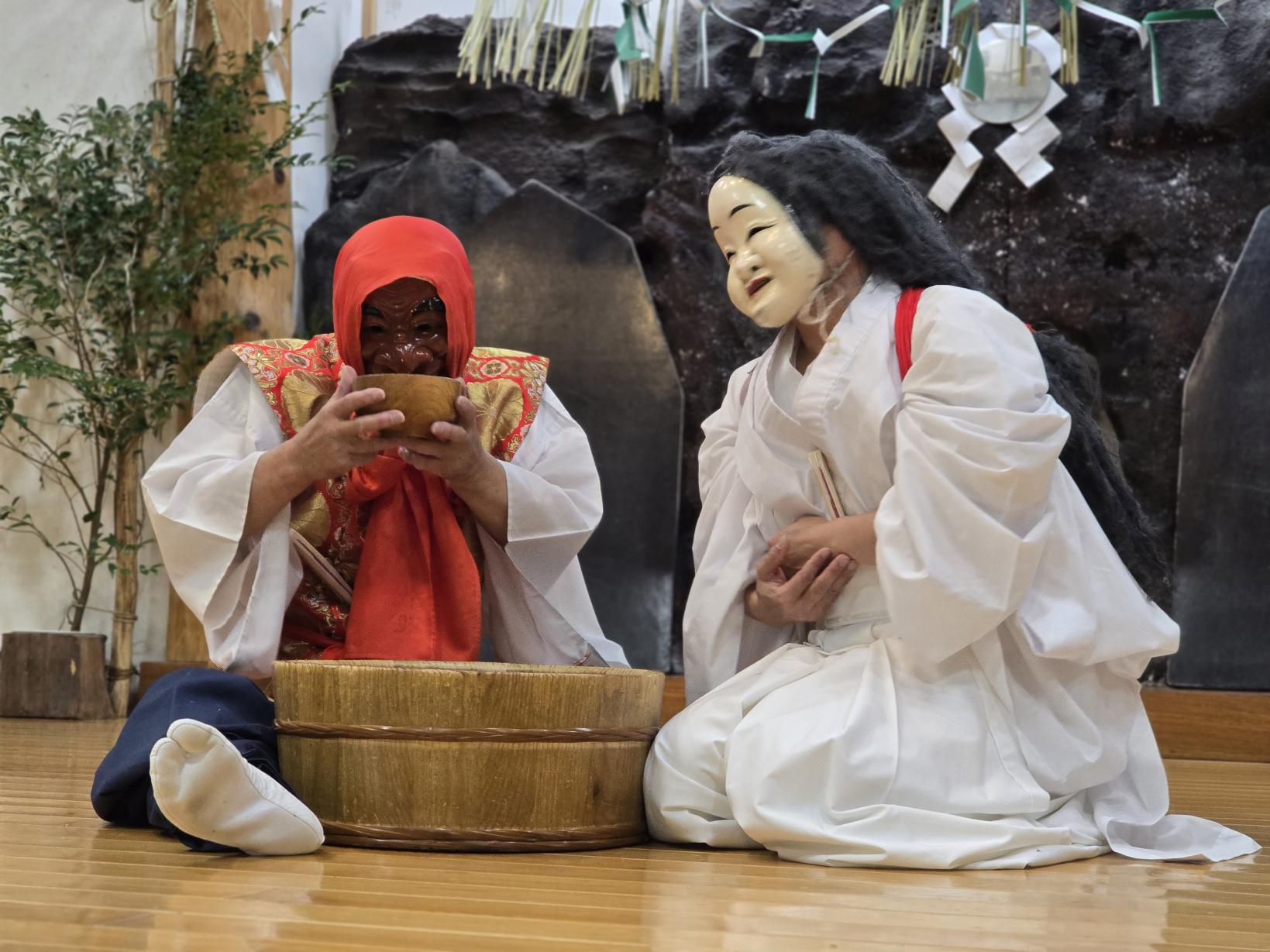
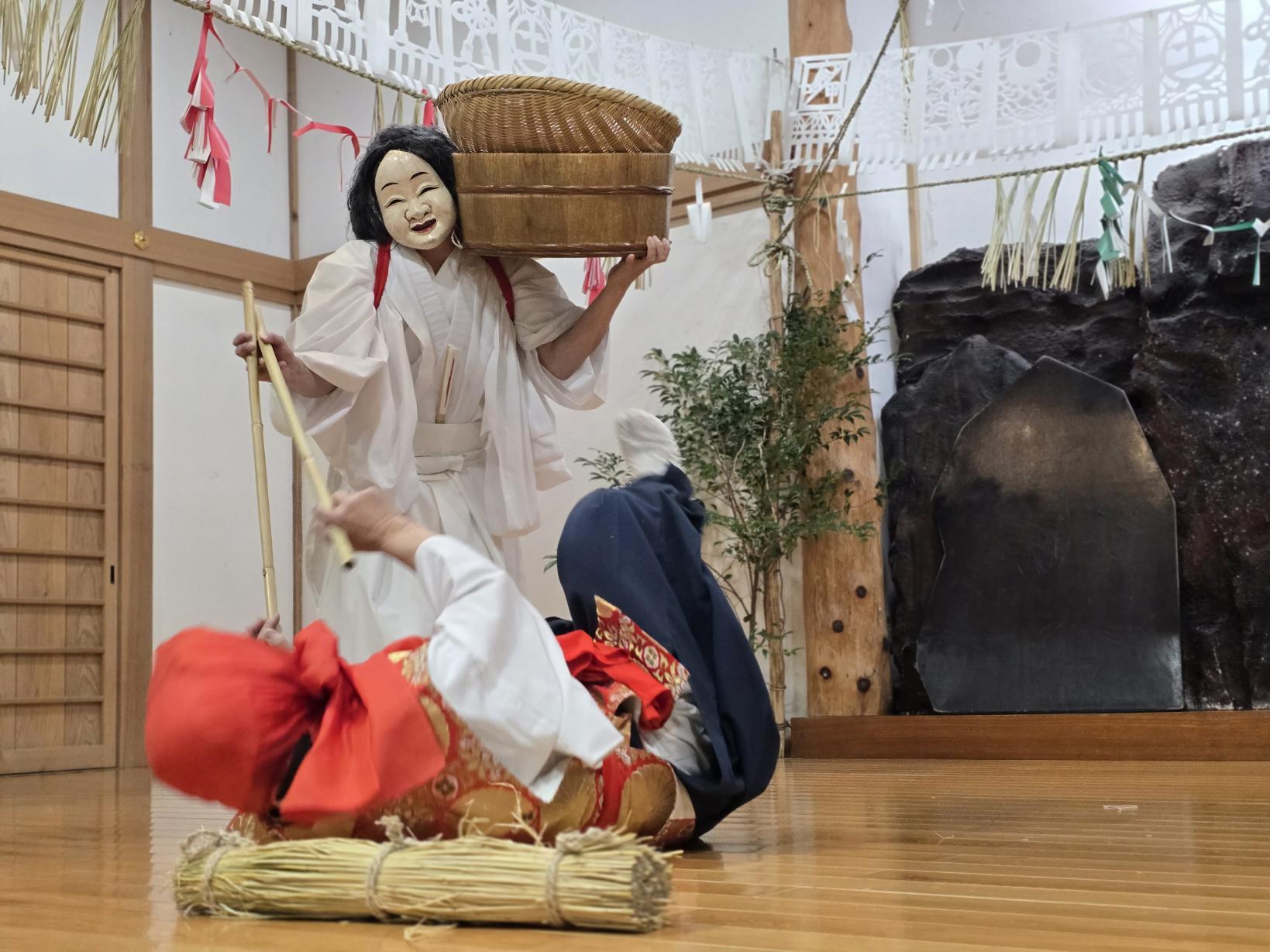
The last dance was of the creation of the country by the two gods Izanagi and Izanami. In it, the two gods make sake, drink happily together, and embrace each other, representing matrimonial happiness, the prosperity of descendants, and abundant harvests. Sometimes, the drunkenly staggering gods would descend into the spectator seating and involve the audience, so the venue was filled with laughter and a sense of unity.
The everyday of Kagura portrayed by communities 363 days a year
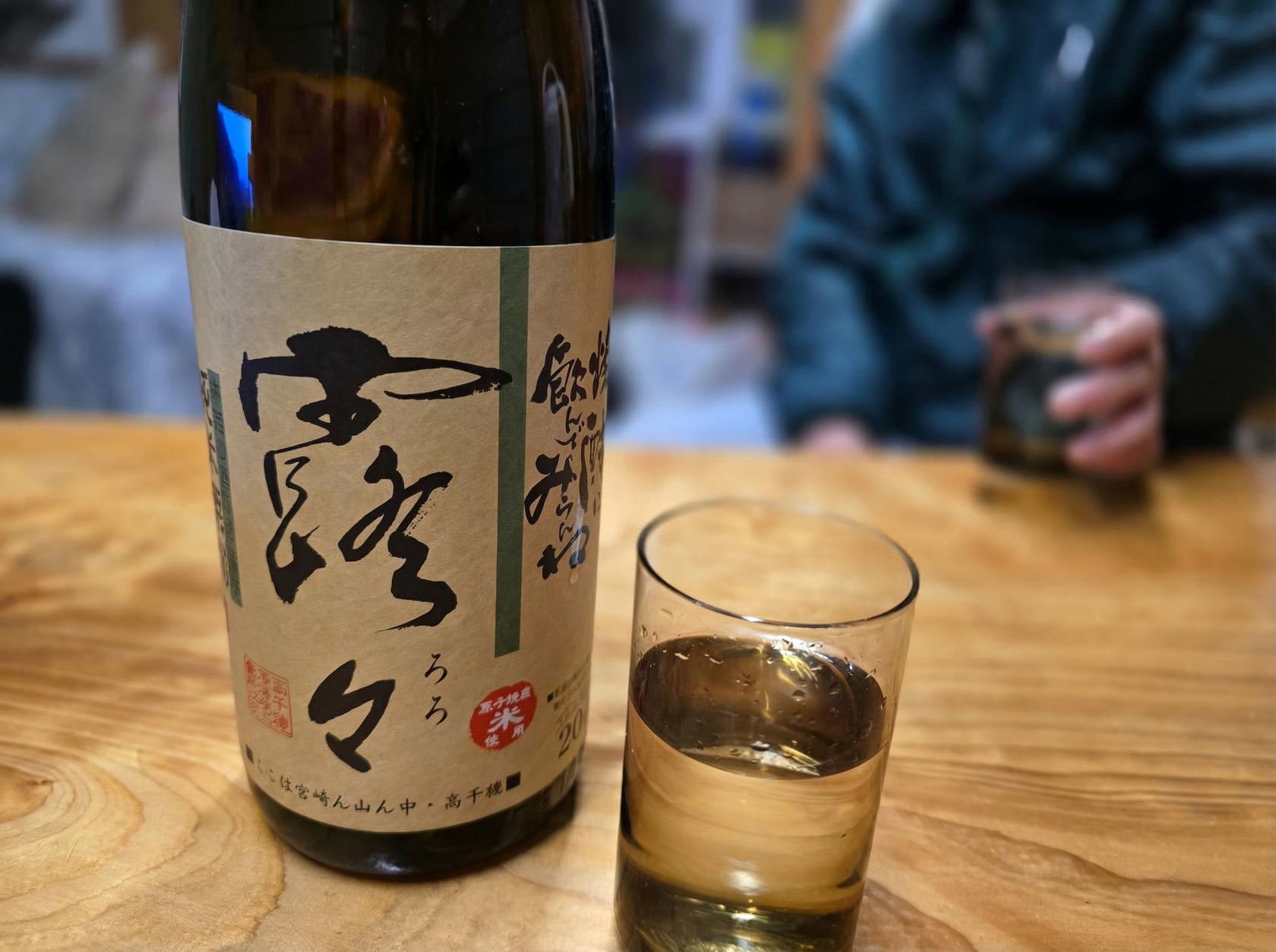
I returned via the freezing-cold, dark streets, and once again picked up a drink with Mr. Hashimoto in the warm guesthouse. He poured some “roro,” local Takachiho rice shochu, into a glass. This is also drunk as the “kappozake” I had heard about that day.
When we were tipsy with the crisp taste, Mr. Hashimoto told me the inside story of the tourist Kagura.
”Actually, that Kagura was performed all year round with no breaks starting from 1972, but recently there’s been a ‘workstyle reform.’ Since 2025, we’ve taken breaks just on New Year’s Eve and New Year’s Day.”
On the flip side, that means around 15 communities in the town take it in turns to continue to support the Kagura every day for the other 363 days of the year. Simple math tells me that Mr. Hashimoto’s community perform around twice a month. On those occasions the members of the 20-person community divide the roles between them and go to the Kagura Hall after work has finished or in their breaks from farming work.
“The basic stories are the same, but there are subtle differences in the dances in each community. That’s why everyone will always say, ‘Our community’s Kagura is the best.’”
The Kagura dances of Takachiho aren’t just a tourist attraction. They’re a part of everyday life that the people living in these communities take pride in preserving. It’s because of the Kagura that people gather, and it’s because of the people that this beautiful rural landscape can be protected. The idea of “living side by side with the gods” is being lost in the cities, but it’s alive and well in Takachiho.
Recommended Articles
-
Casual day-trip hot springs to enjoy in Miyazaki
-
Mouthwatering cuisine you have to try in the cornucopia of Miyazaki
-
One classic way to enjoy Miyazaki is strawberry and tropical fruit picking!
-
Take a tour of famous spots for seasonal flowers in Miyazaki! - Fall -
-
Indoor spots in Miyazaki you can enjoy on a rainy day
-
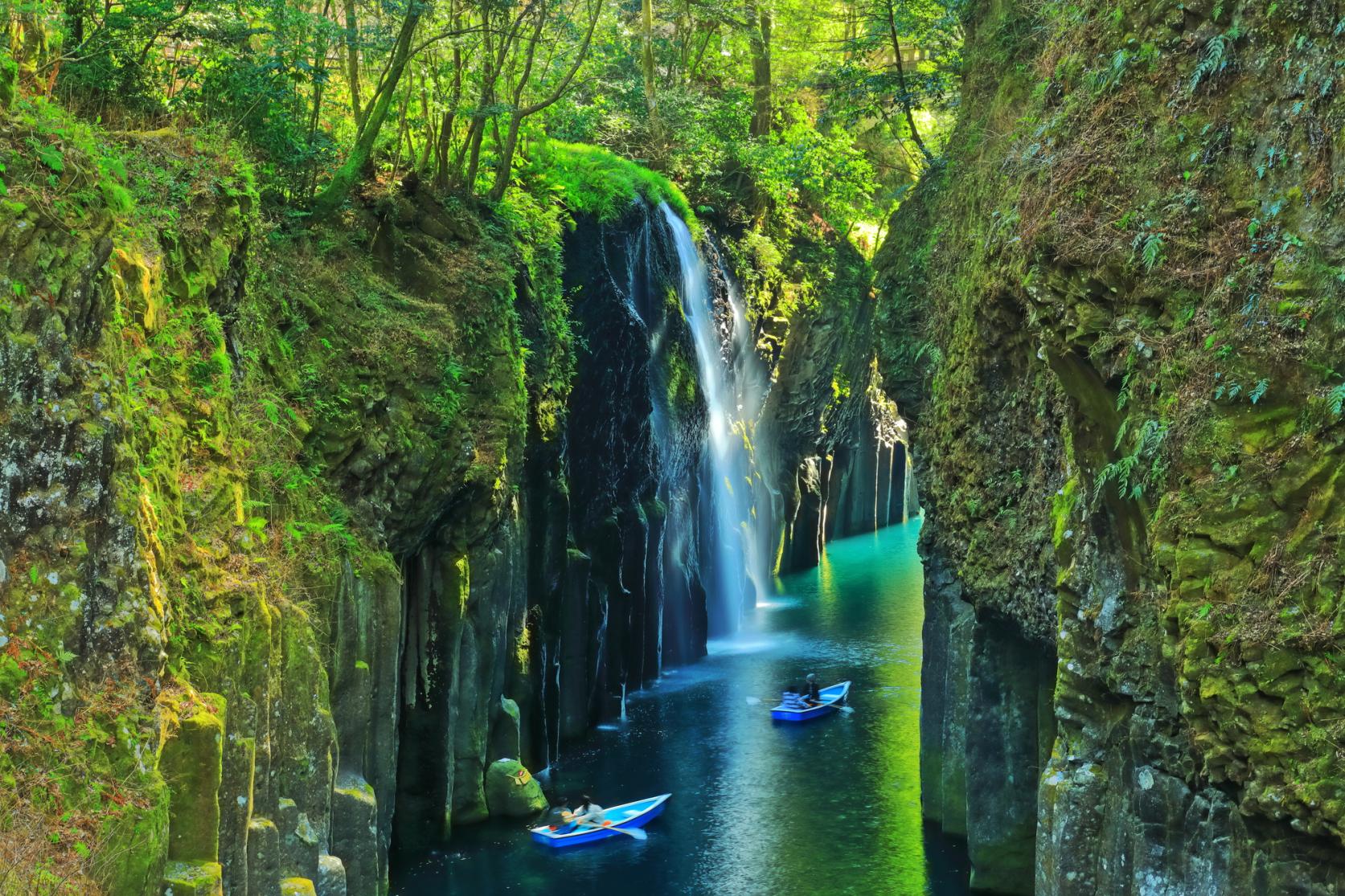
West Miyazaki is home to abundant nature and plenty of leisure destinations
-
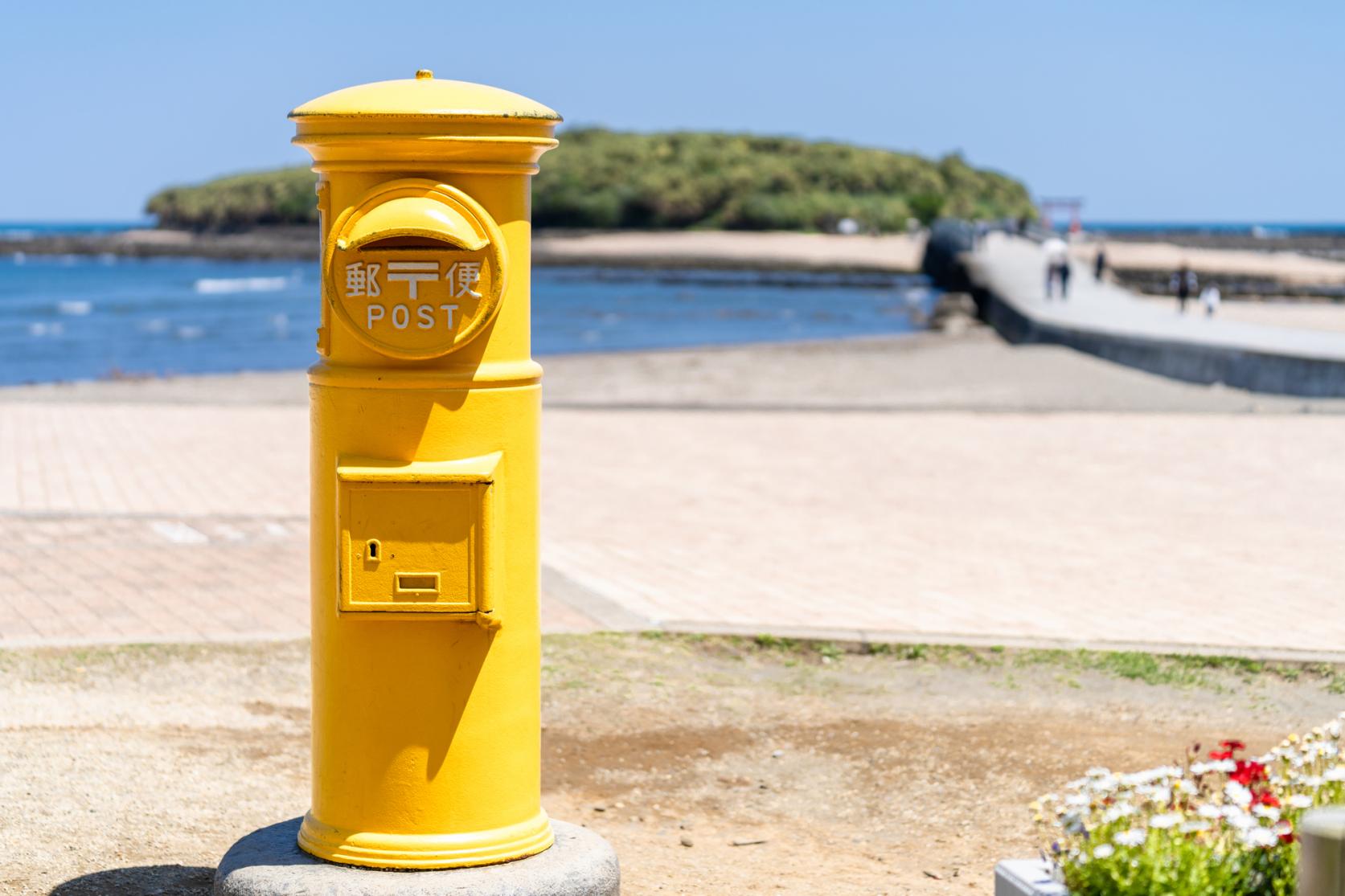
Central Miyazaki is easily accessible from the airport and Miyazaki Station
-
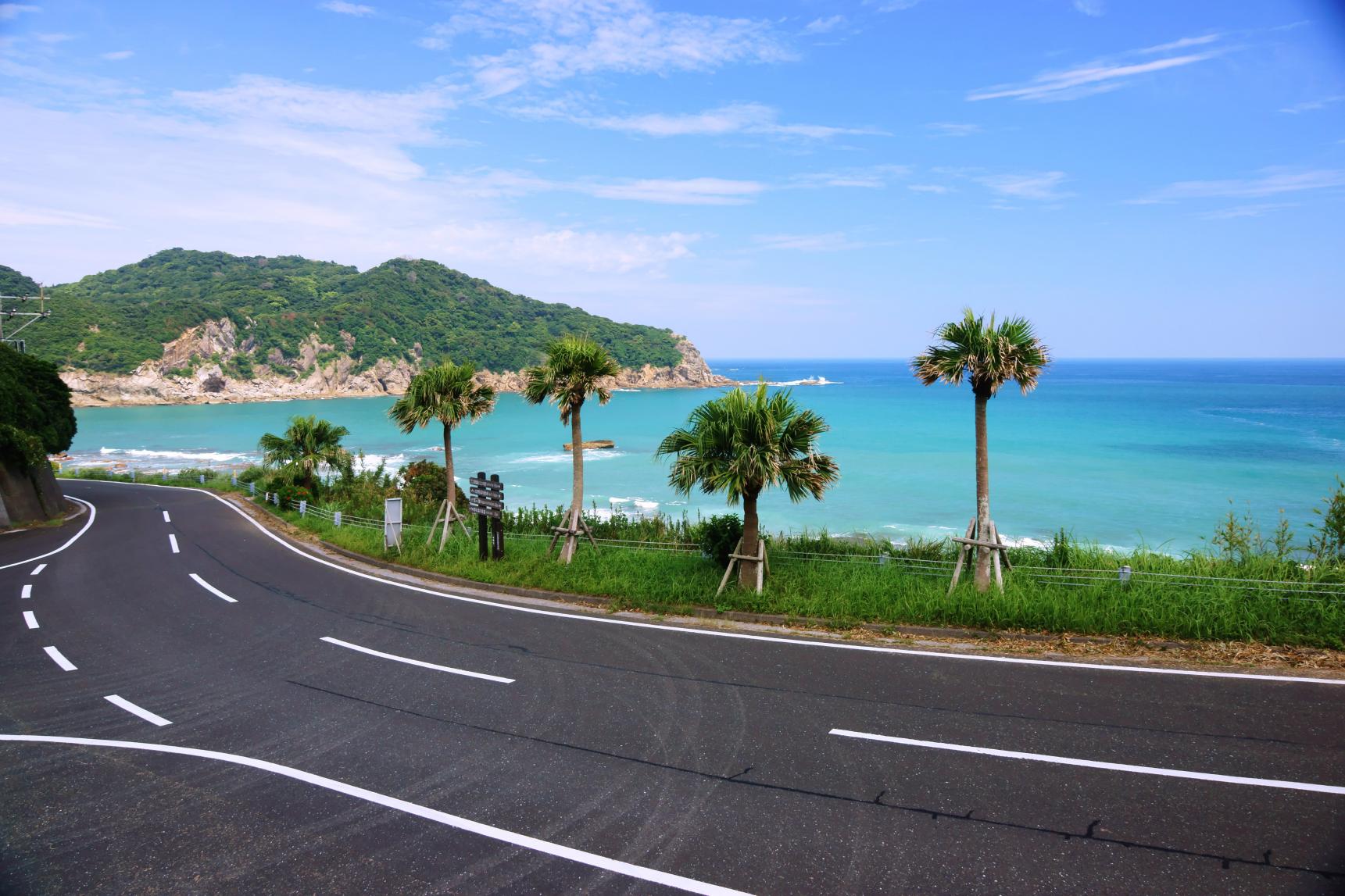
Southern Miyazaki, a land rich in tropical charm
-
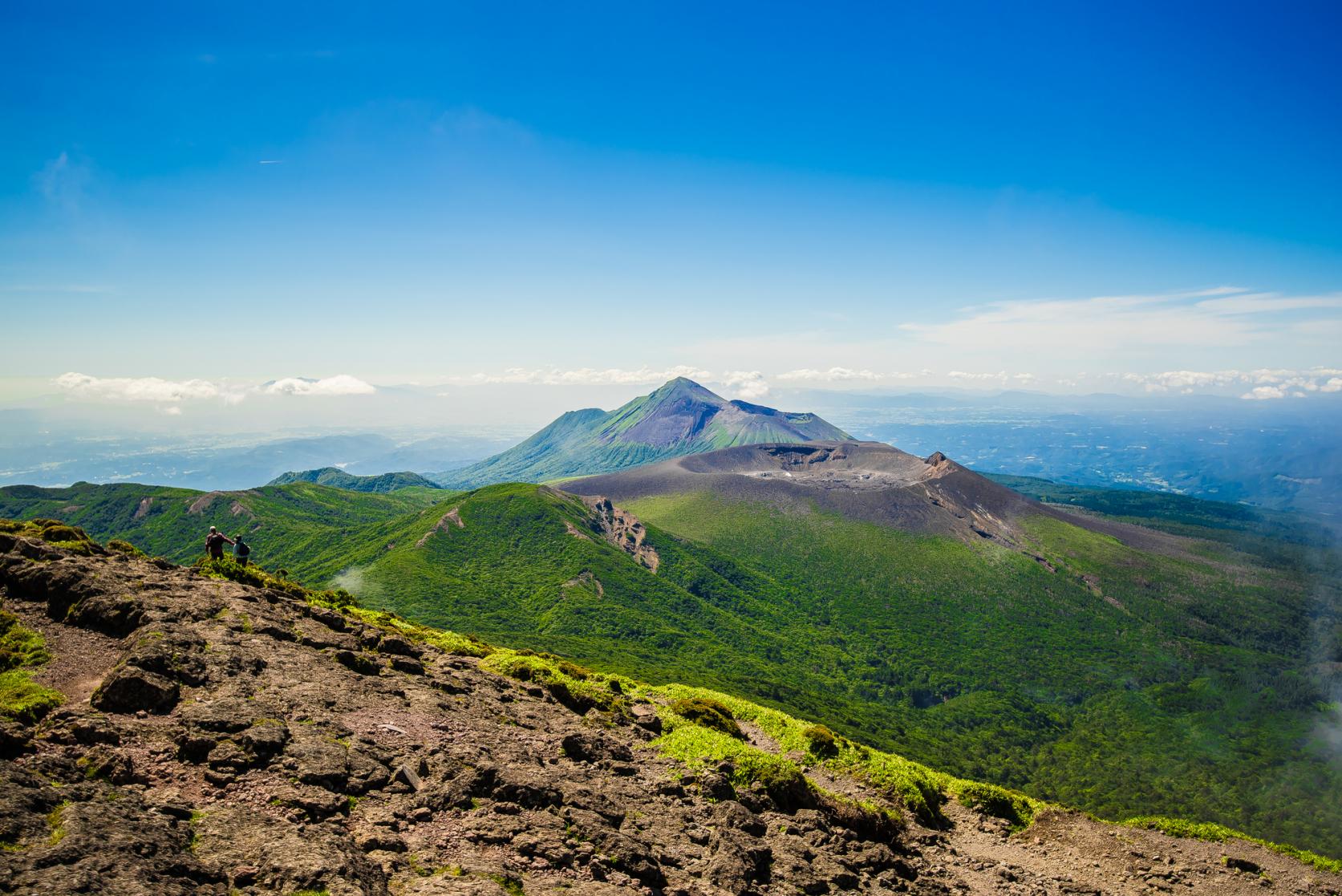
The power spots of northern Miyazaki fuse dynamic nature with the myths of yore.
-
Enjoy local cuisine and discover great souvenirs! A list of roadside stations in Miyazaki Prefecture
-
Take a tour of famous spots for seasonal flowers in Miyazaki! - Winter -
-
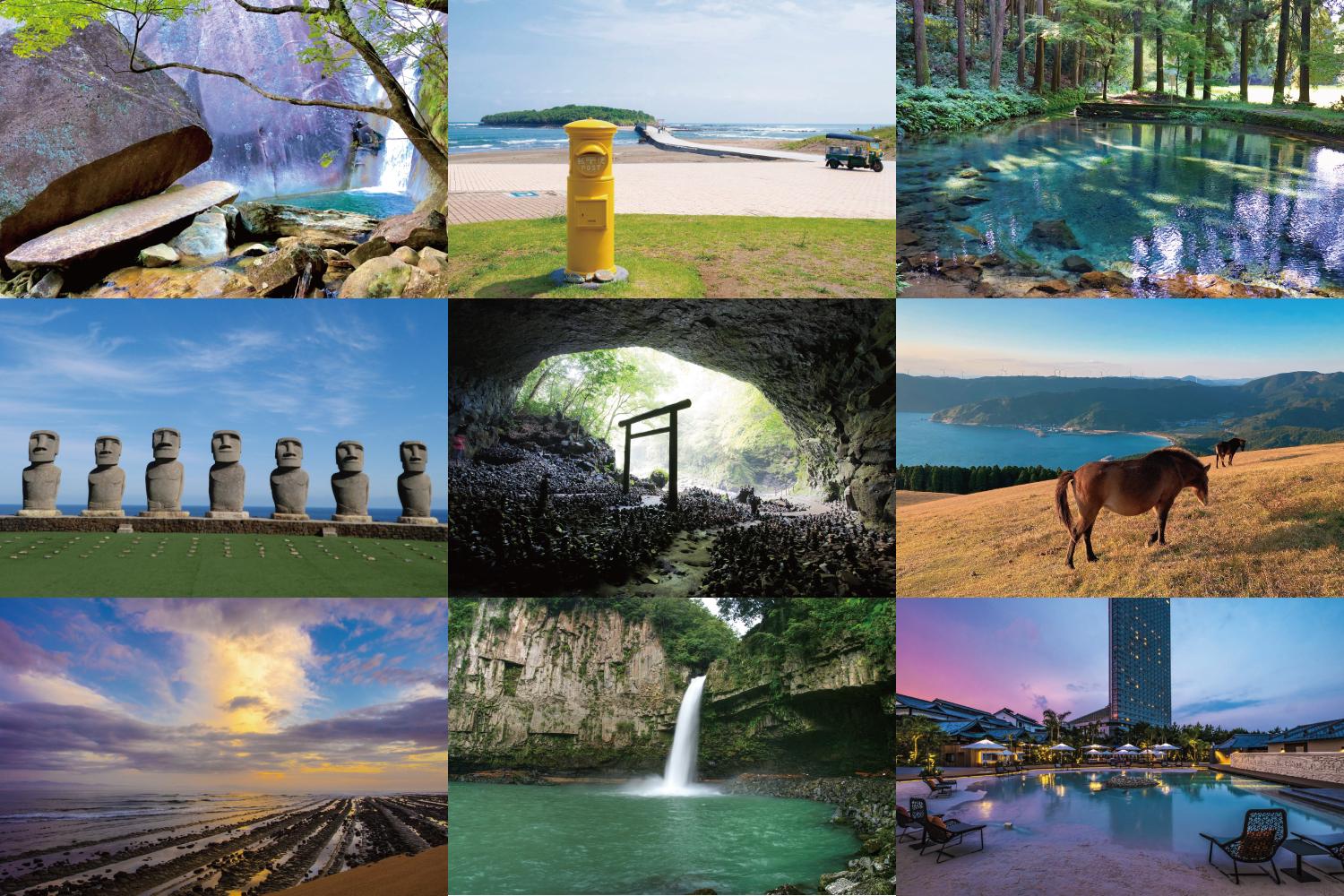
Photogenic spots in Miyazaki where you’ll just have to stop and take pictures
-
A guide to Miyazaki beaches and pools for your summer fun!
-
Take a tour of famous spots for seasonal flowers in Miyazaki! - Spring -
-
Take a tour of famous spots for seasonal flowers in Miyazaki! - Summer -
-
Explore More! Travel Miyazaki by Bus & JR
-
![[A first-time farm stay] Experiencing everyday life in an old farmhouse! Farm-stay experience report: Minpaku Kokokyan-1](https://www.kanko-miyazaki.jp/storage/special_features/600/responsive_images/o42zLQemLlfZNpwuwXIbhKYU8t4JoOjCimsvswMu__1800_1200.jpg)
[A first-time farm stay] Experiencing everyday life in an old farmhouse! Farm-stay experience report: Minpaku Kokokyan
-
![[Miyazaki Gibier] Experience the “gift of a life”: savoring authentic gibier and the bounties of the satoyama landscape on a farm stay-1](https://www.kanko-miyazaki.jp/storage/special_features/601/responsive_images/oXDt1NxmZq73SKSTLjhWw3lq0WL4TpvtU0XN8z0L__1639_1229.jpg)
[Miyazaki Gibier] Experience the “gift of a life”: savoring authentic gibier and the bounties of the satoyama landscape on a farm stay
-
Freshly caught excitement! Enjoy fixed net fishing during a farm stay in Miyazaki
-
A harvesting experience in Miyazaki! Our 8 chosen experience itinerates in farm-stay facilities where you can savor the bounties of the earth